English
- English
- Esperanto
- Afrikaans
- Català
- שפה עברית
- Cymraeg
- Galego
- Latviešu
- icelandic
- ייִדיש
- беларускі
- Hrvatski
- Kreyòl ayisyen
- Shqiptar
- Malti
- lugha ya Kiswahili
- አማርኛ
- Bosanski
- Frysk
- ភាសាខ្មែរ
- ქართული
- ગુજરાતી
- Hausa
- Кыргыз тили
- ಕನ್ನಡ
- Corsa
- Kurdî
- മലയാളം
- Maori
- Монгол хэл
- Hmong
- IsiXhosa
- Zulu
- Yoruba
- অসমীয়া
- ଓଡିଆ
- Punjabi
- پښتو
- Chichewa
- Samoa
- Sesotho
- සිංහල
- Gàidhlig
- Cebuano
- Somali
- Тоҷикӣ
- O'zbek
- Hawaiian
- سنڌي
- Shinra
- Հայերեն
- Igbo
- Sundanese
- Lëtzebuergesch
- Malagasy
- Español
- Português
- русский
- Français
- 日本語
- Deutsch
- tiếng Việt
- Italiano
- Nederlands
- ภาษาไทย
- Polski
- 한국어
- Svenska
- magyar
- Malay
- বাংলা ভাষার
- Dansk
- Suomi
- हिन्दी
- Pilipino
- Türkçe
- Gaeilge
- العربية
- Indonesia
- Norsk
- تمل
- český
- ελληνικά
- український
- Javanese
- فارسی
- தமிழ்
- తెలుగు
- नेपाली
- Burmese
- български
- ລາວ
- Latine
- Қазақша
- Euskal
- Azərbaycan
- Slovenský jazyk
- Македонски
- Lietuvos
- Eesti Keel
- Română
- Slovenski
- मराठी
- Srpski језик
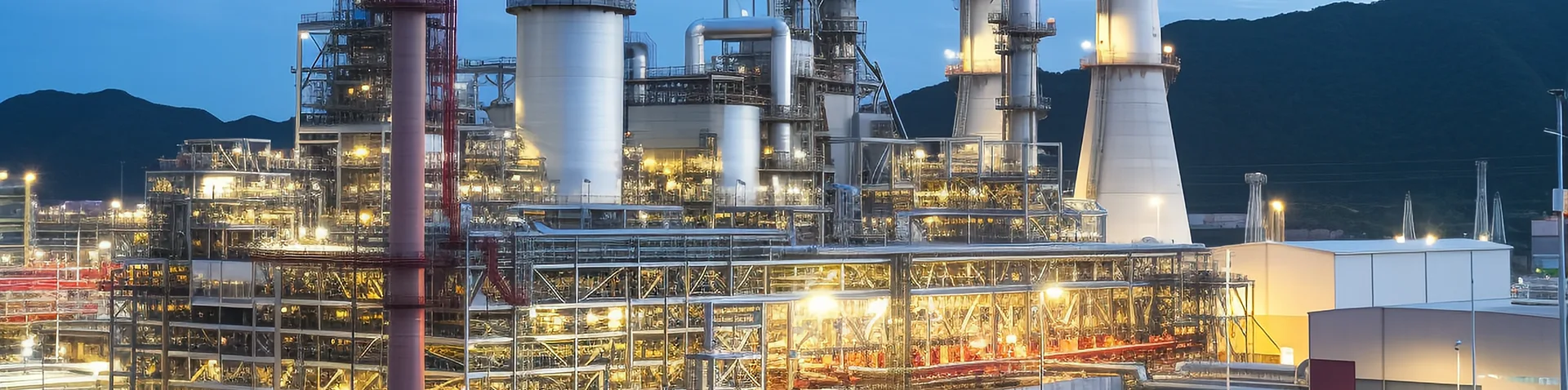
Oil Industry
Huadu Valve – Oil Industry-Specific Valves
The oil industry covers three key links: upstream exploration, midstream transportation, and downstream refining. Working conditions here are tough—high pressure, corrosive media, and strict safety requirements—so generic valves just won’t cut it. Unlike most manufacturers that use a one-size-fits-all approach for oil industry valves, we focus on the unique pain points of each link. We design and make valves tailored to each scenario, so they work reliably and safely, without the common issues that plague standard valves.
Core Product Range (With Clear Differentiation)
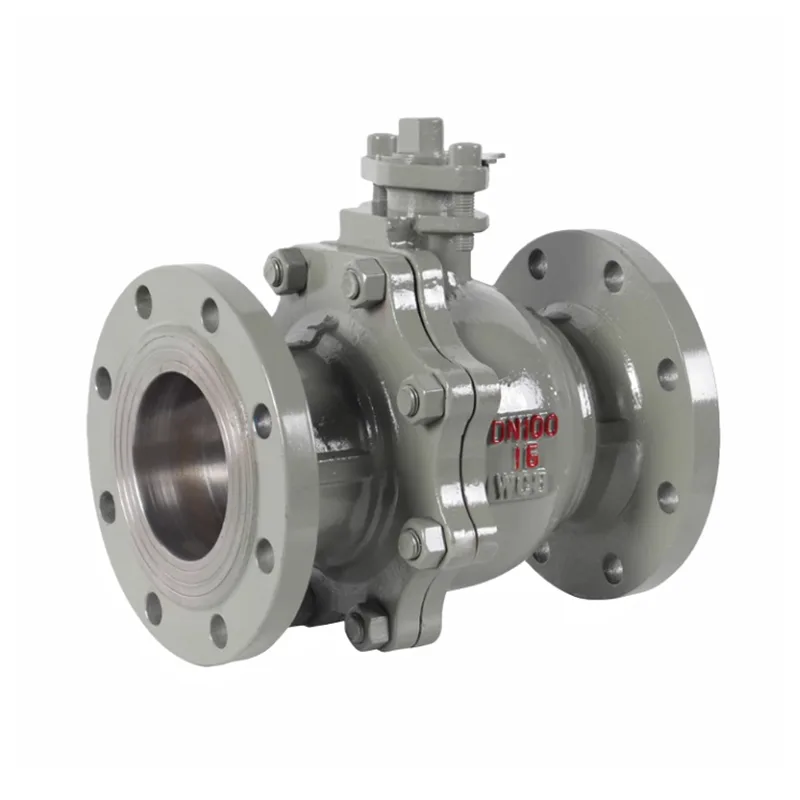
1. Anti-H₂S High-Pressure Ball Valve (For Upstream Oilfields)
This valve is for upstream oilfield use—wellhead control, drilling site pipelines, and well completion. Oilfields have H₂S in the gas, which easily eats through ordinary valves, making them crack or leak. We use Inconel alloy for the valve body, which resists sulfide corrosion, so it won’t break even after long-term contact with acidic oil. It handles up to Class 2500 pressure, works well outdoors in windy or dusty conditions, and runs steadily for over 8000 hours. No frequent repairs, no downtime, saving hassle for oilfield workers.
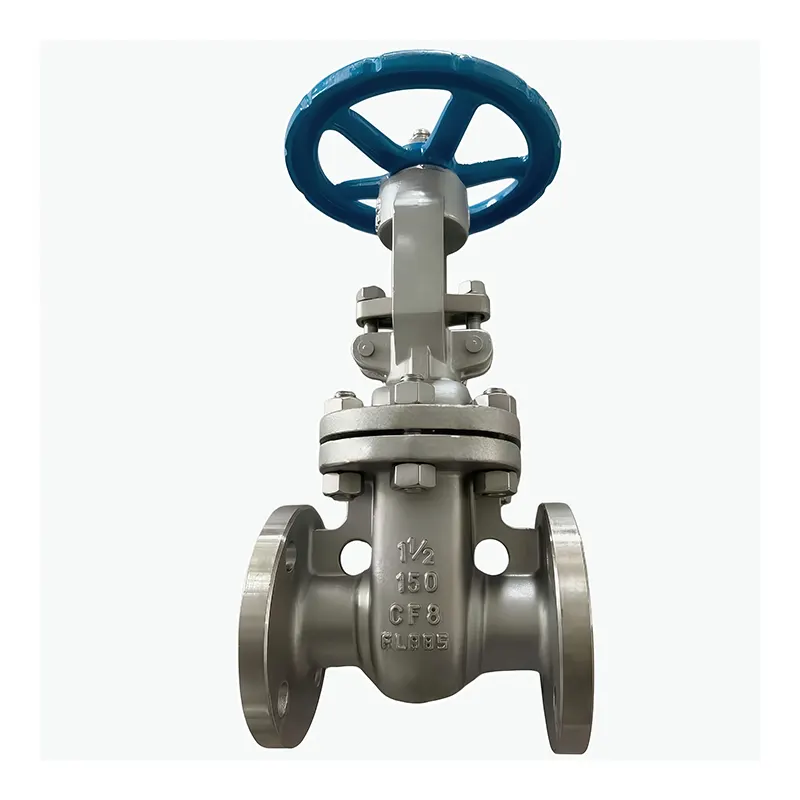
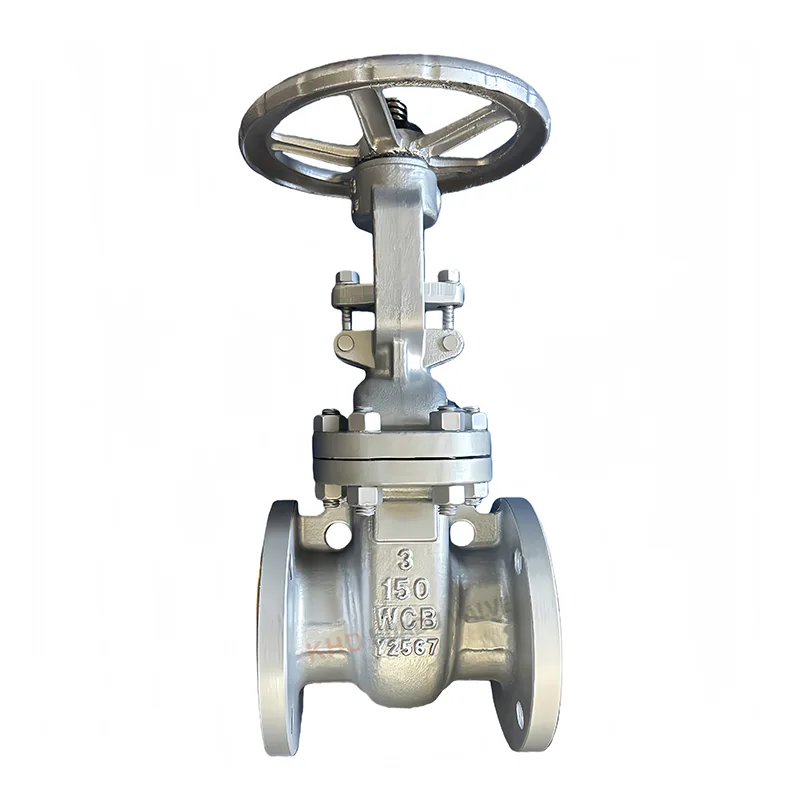
2. High-Temperature Resistant Gate Valve (For Downstream Refining)
This valve is made for refineries. Refining involves high temperatures, and ordinary valves warp or leak easily. Ours is made of high-temperature resistant alloy, no deformation even at 600℃. The valve seat is wear-resistant, no leaks when handling high-temperature oil and flue gas. It doesn’t need frequent maintenance, saving refineries time and money on upkeep.
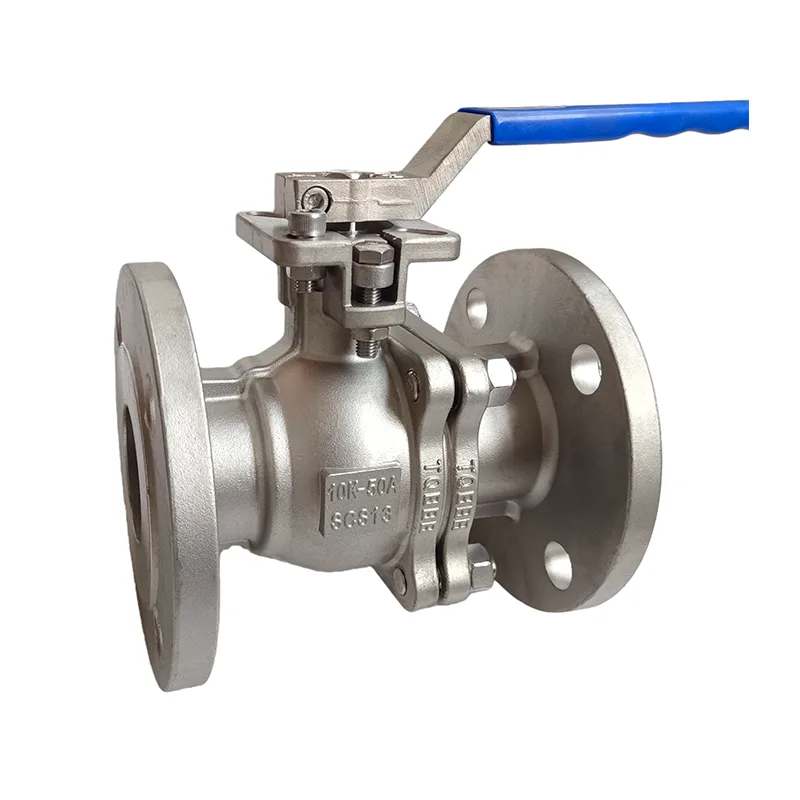
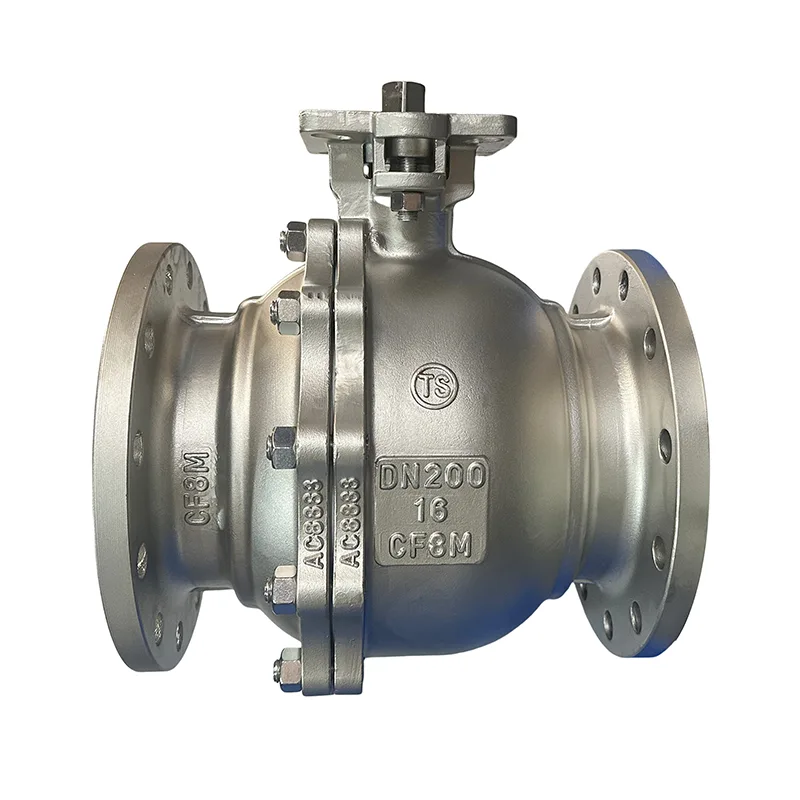
3. Low-Temperature Sealed Ball Valve (Midstream Transportation)
We designed this valve specifically for midstream oil and gas transportation, especially for LNG and light hydrocarbon delivery. Ordinary valves often turn brittle and leak when exposed to ultra-low temperatures (down to -196℃), but this one solves that problem perfectly. We use deep-cooled 316L stainless steel for the valve body—even in extreme cold, it stays tough and won’t break. The seal is made of special low-temperature PTFE material, so it stays tight and won’t leak, no matter how cold it gets. We also added an extended, insulated valve stem to keep the internal seal protected from the outside temperature. It’s compact, easy to install, and works great for long-distance pipeline transport and outdoor harsh conditions—no more jamming or leakage issues.
Differentiated Core Advantages (Key Differences)
1. Scenario-Specific Tailored Design (Core Differentiation)
Unlike ordinary valves that only focus on basic sealing, we target three core links of the oil industry: upstream oilfield (anti-H₂S, high pressure), midstream transportation (low temperature, anti-leakage), and downstream refining (high temperature, anti-coking). Each product is independently designed according to the actual working conditions, instead of simple standard modifications, which truly fits the actual needs of the oil industry.
2. Professional Material Matching
We do not use uniform materials, but match materials according to different scenarios: upstream uses anti-H₂S Inconel alloy, midstream uses low-temperature resistant 316L stainless steel, and downstream uses high-temperature resistant alloy. It avoids material waste and ensures that each valve can adapt to its specific working environment, which is more professional than ordinary valves that only use a single material.
3. Humanized and Safe Design
All valves are equipped with double safety protection: anti-static, anti-explosion and anti-overheating designs, which avoid safety accidents such as leakage and fire caused by high pressure, high temperature and flammable media. At the same time, according to the outdoor and pipeline characteristics of the oil industry, the valve structure is optimized to be easy to install and maintain, reducing the difficulty of on-site operation.
Previous :
Next :
News Recommendations