English
- English
- Esperanto
- Afrikaans
- Català
- שפה עברית
- Cymraeg
- Galego
- Latviešu
- icelandic
- ייִדיש
- беларускі
- Hrvatski
- Kreyòl ayisyen
- Shqiptar
- Malti
- lugha ya Kiswahili
- አማርኛ
- Bosanski
- Frysk
- ភាសាខ្មែរ
- ქართული
- ગુજરાતી
- Hausa
- Кыргыз тили
- ಕನ್ನಡ
- Corsa
- Kurdî
- മലയാളം
- Maori
- Монгол хэл
- Hmong
- IsiXhosa
- Zulu
- Yoruba
- অসমীয়া
- ଓଡିଆ
- Punjabi
- پښتو
- Chichewa
- Samoa
- Sesotho
- සිංහල
- Gàidhlig
- Cebuano
- Somali
- Тоҷикӣ
- O'zbek
- Hawaiian
- سنڌي
- Shinra
- Հայերեն
- Igbo
- Sundanese
- Lëtzebuergesch
- Malagasy
- Español
- Português
- русский
- Français
- 日本語
- Deutsch
- tiếng Việt
- Italiano
- Nederlands
- ภาษาไทย
- Polski
- 한국어
- Svenska
- magyar
- Malay
- বাংলা ভাষার
- Dansk
- Suomi
- हिन्दी
- Pilipino
- Türkçe
- Gaeilge
- العربية
- Indonesia
- Norsk
- تمل
- český
- ελληνικά
- український
- Javanese
- فارسی
- தமிழ்
- తెలుగు
- नेपाली
- Burmese
- български
- ລາວ
- Latine
- Қазақша
- Euskal
- Azərbaycan
- Slovenský jazyk
- Македонски
- Lietuvos
- Eesti Keel
- Română
- Slovenski
- मराठी
- Srpski језик
Bulk Order Ball Valves for Industrial Use
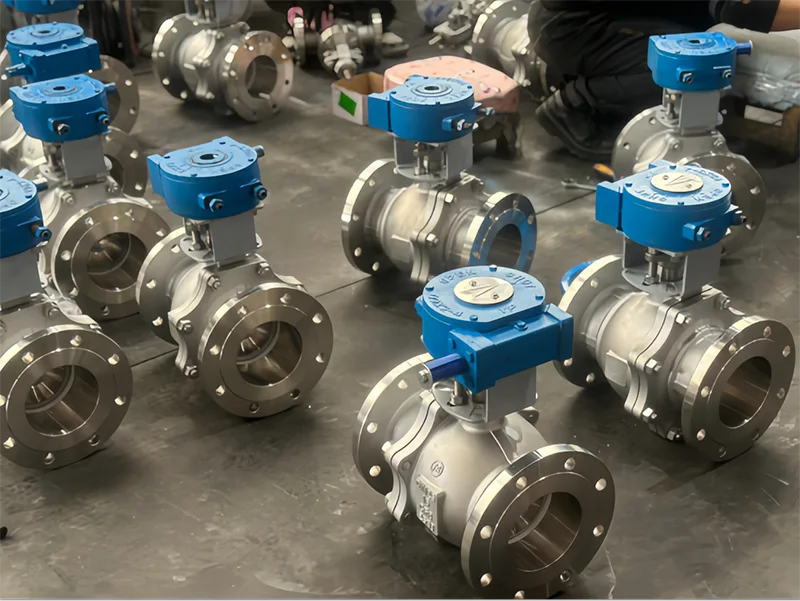
Huadu is a professional valve manufacturer from China.As one of our best-selling products, ball valves are widely used in oil and gas, chemical industry, water treatment, sewage, HVAC and other fields.We win customers with high quality and reliable service, which is why we have a large number of repeat customers.We mainly produce ball valves in two material types: stainless steel and carbon steel.
What types of ball valves do you have?
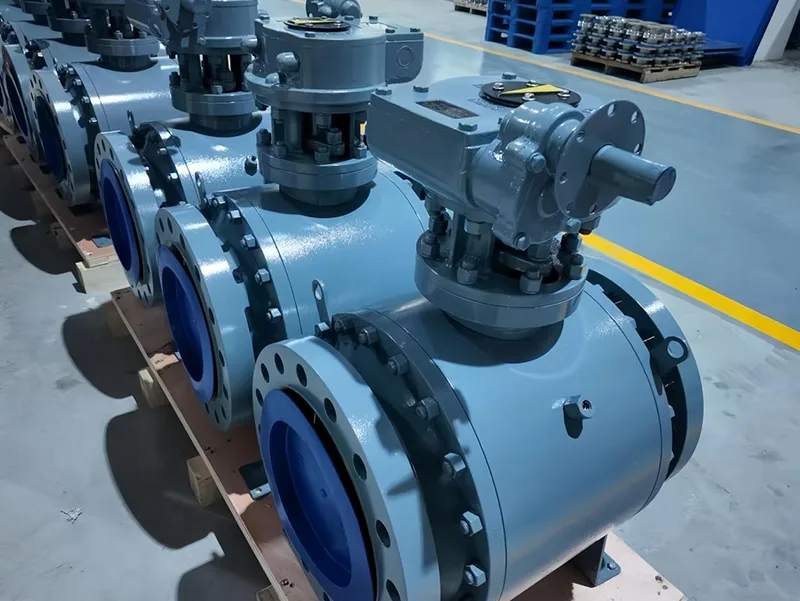
We produce ball valves in two main materials: carbon steel and stainless steel.
Our main products include three-way ball valves, electric flanged stainless steel ball valves, and API standard stainless steel ball valves, with many other styles for selection.
Apart from regular materials, we also have special grade materials such as 2205, 310S and 321 for special working conditions.
We can develop and produce non-standard materials as your requirements. Meanwhile, we provide reliable OEM and ODM customization services for all clients.
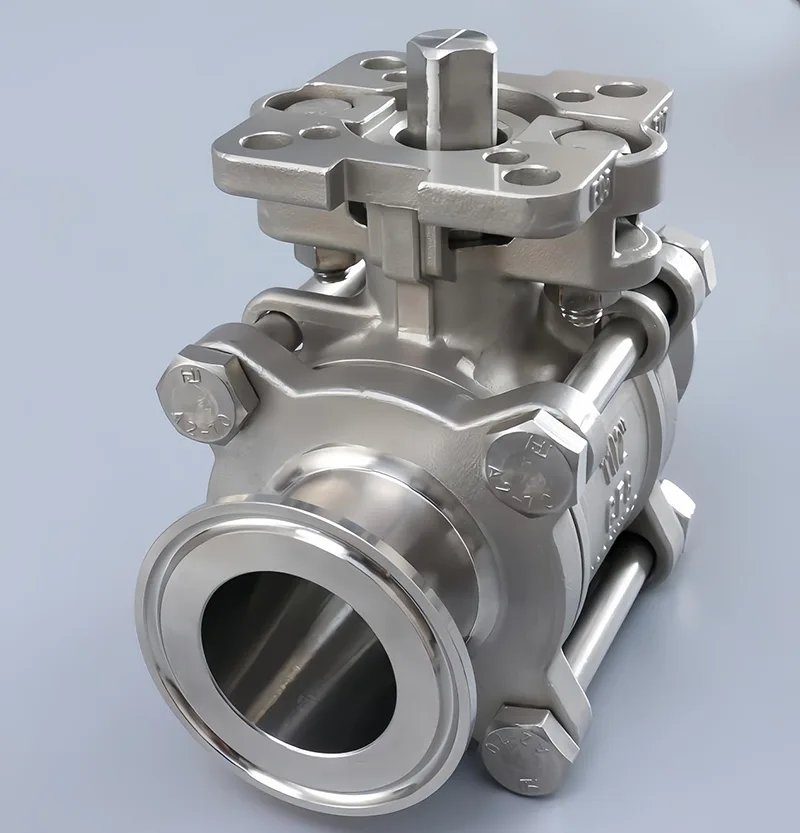
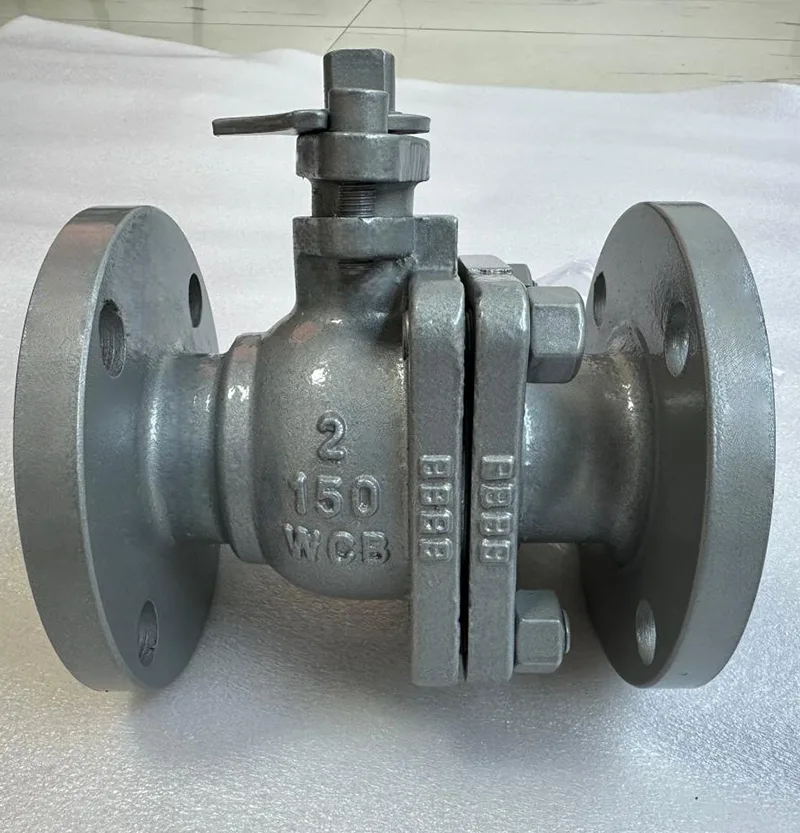
How does a ball valve work?
A ball valve is a quarter-turn valve that controls fluid flow via a hollow perforated ball inside its body. Turning the handle or actuator 90 degrees rotates the ball: when the ball’s bore aligns with the valve ports, fluid flows freely; when misaligned, the solid ball blocks flow. Seats around the ball ensure tight sealing, making it widely used in industrial fields like oil and gas.
Which material should I choose?
It is important to choose between stainless steel and carbon steel ball valves according to your working conditions.
Carbon steel is cost-effective, high in strength, ideal for normal water, gas and low-corrosion industrial pipelines.
Stainless steel features excellent anti-rust and corrosion resistance, perfect for chemical, sewage, acidic and alkaline media.For harsh, humid or corrosive environments, stainless steel is the better long‑term option.
What are the differences between full port and reduced port?
Full port and reduced port ball valves mainly differ in bore size.
A full port valve has the same inner diameter as the pipeline, offering low flow resistance, maximum flow capacity, and allowing pipeline pigging and cleaning.
A reduced port valve has a smaller inner bore. It is lighter, more cost‑effective, and compact, but brings higher pressure drop and cannot pass cleaning tools.
Full port suits heavy media and critical industrial conditions, while reduced port is widely used for general water and gas systems.
- View as
Stainless Steel Fixed Ball Valve Forged Flanged Ball Valve
Huadu Valve Group is based in Wenzhou, China, supplying reliable industrial valves of great quality. Our star product, the Stainless Steel Fixed Ball Valve Forged Flanged Ball Valve, is built from solid forged stainless steel, which brings good corrosion resistance and high mechanical strength for high pressure working conditions. Built with flanged ends and trunnion mounted fixed ball structure, it delivers tight zero leak sealing, keeps flow resistance low and operates steadily under heavy duty service. It performs well for oil gas, chemical, power and long-distance pipeline projects. We are a professional valve maker holding ISO, API and CE certifications. We own advanced forging and machining equipment and a full set of quality control systems. We also accept OEM and ODM orders, with flexible minimum order quantities. Our reliable products are exported globally and win wide recognition from clients.
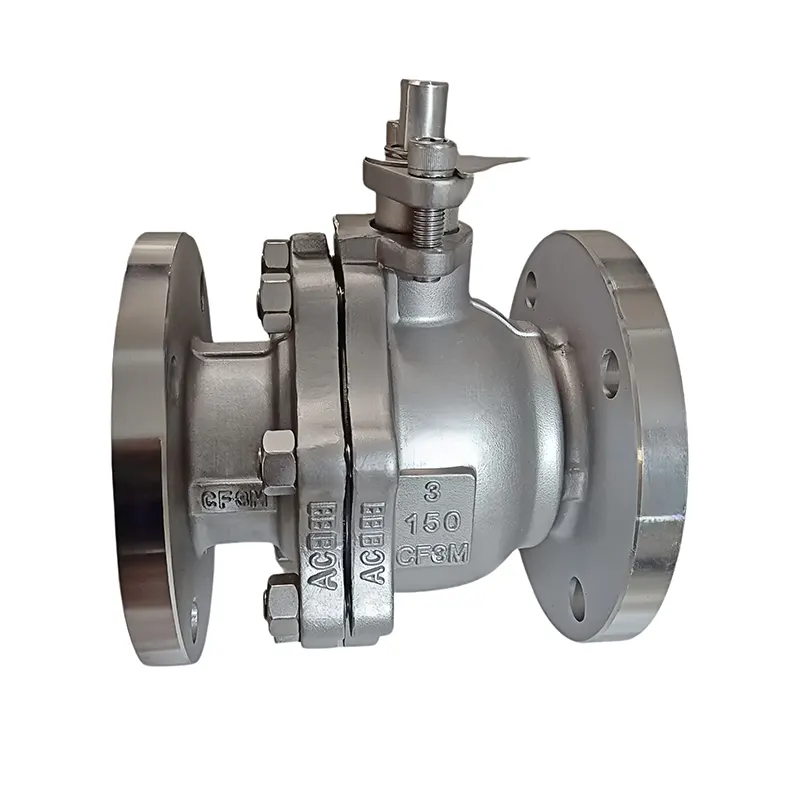
Stainless Steel Manual Ball Valve
As a professional industrial valve manufacturer from Wenzhou China, Huadu Valve Group presents our Stainless Steel Manual Ball Valve. Built around high grade stainless steel raw stock, this manually actuated unit focuses on field practicality, corrosion resistance and cost-effective reliability. It serves as a versatile go to solution for countless general industry fluid handling projects worldwide. Backed by our in house manufacturing facility, we deliver well matched, dependable valve solutions for global engineering clients.
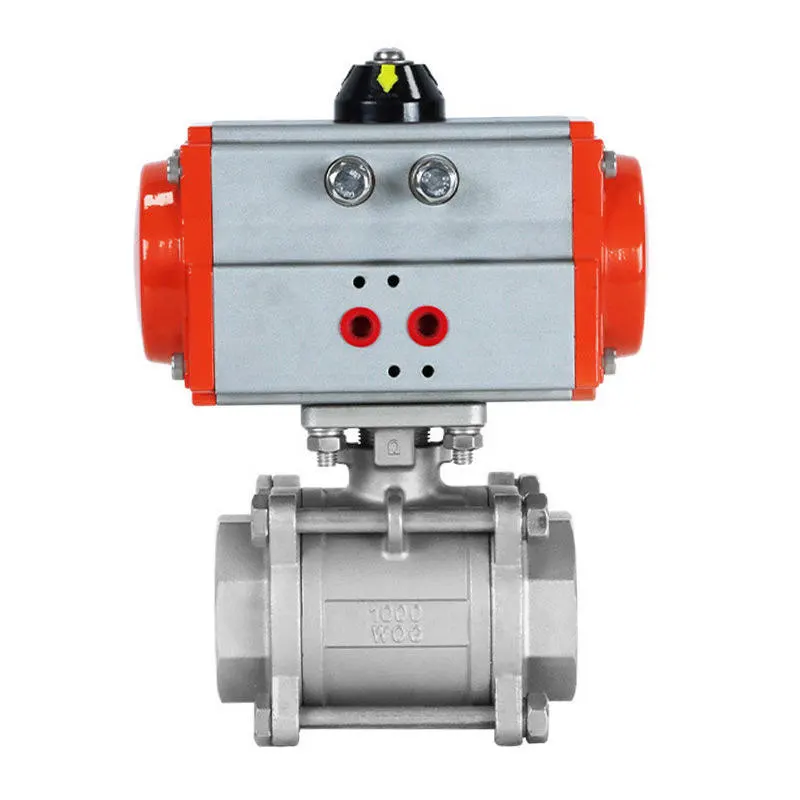
Pneumatic Stainless Steel Flanged Ball Valve
Huadu Valve Group, CE, ISO & API certified valve manufacturer, offers high performance Pneumatic Stainless Steel Flanged Ball Valve for automated global industrial pipeline project procurement. Equipped with air powered actuator, stainless steel body and standard flange connections, this automated ball valve delivers fast switching, tight sealing and low flow resistance to resolve drawbacks of manual valves under harsh working conditions. Each product undergoes strict pressure and sealing tests before delivery. We support OEM, ODM and flexible MOQ for bulk industrial sourcing, widely applied for automatic flow control projects worldwide.
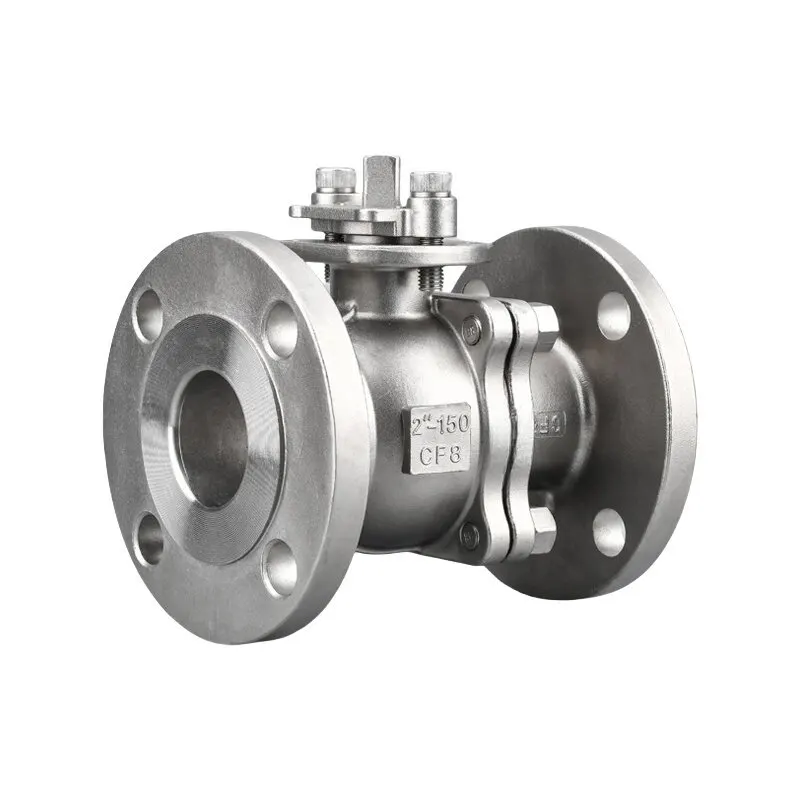
Piece Manual Stainless Steel Ball Valve
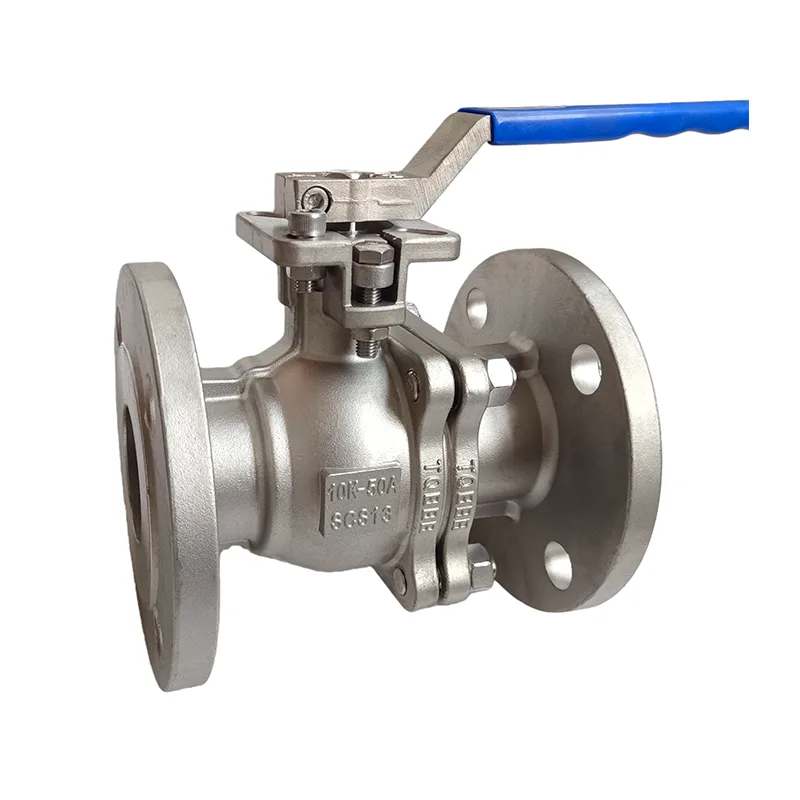
As a Chinese supplier deeply rooted in the industrial valve field, Huadu Valve Group has launched this 2 Piece Manual Stainless Steel Ball Valve, which is made of SS304 / SS316 stainless steel as the core material. With reliable corrosion resistance and easy maintenance split body structure, it has become the preferred component for water treatment, chemical and general industrial pipeline systems. Relying on the mature production system of our own factory, we provide globally high matching and highly reliable industrial valve products to customers.
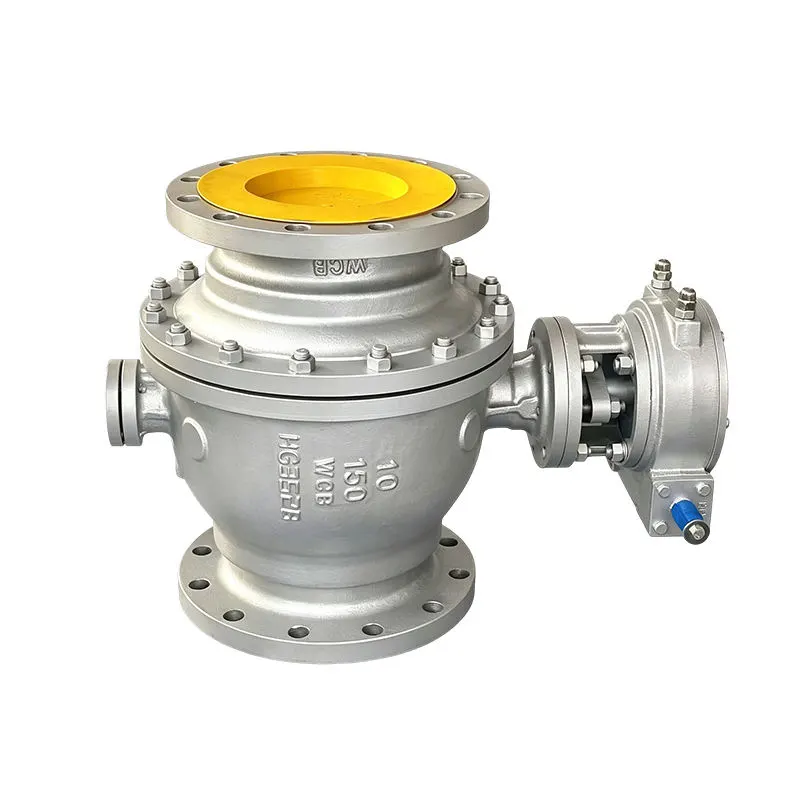
WCB Carbon Steel Fixed Ball Valve
Heavy-Duty WCB Carbon Steel Trunnion Fixed Ball Valve, Flanged End for Petrochemical Service
Huadu Valve Group, certified valve maker with ISO, API & CE, supplies premium WCB Carbon Steel Fixed Ball Valve for industrial project procurement. Built of A216 WCB carbon steel with trunnion-mounted fixed ball design, this heavy-duty industrial valve delivers high pressure resistance, low seat wear and reliable bi-directional sealing. Anti blow out stem and spring-loaded floating seat ensure long term tight shut off. Every unit passes hydrostatic & sealing tests prior to delivery. Suitable for natural gas transmission, petrochemical and power pipeline systems. We support OEM, ODM, flexible MOQ and multiple actuator options for bulk order & EPC project sourcing.

Thin Type Ball Valve
Huadu Valve Group is based in Wenzhou, China, supplying reliable industrial valves of great quality. Our well-received thin type ball valve is available in tough WCB carbon steel or CF8/CF8M stainless steel, bringing stable pressure resistance and long service life within limited installation space. Designed with wafer compact body and integrated molding structure, it features light weight, tiny overall size and much smaller occupation on pipelines, together with low operation torque and excellent bidirectional sealing performance. It can switch smoothly and keep tight sealing steadily under conventional and medium-pressure working conditions, perfectly fitting narrow pipe layout demands. This valve is widely adopted for chemical pipelines, heating circulation systems, environmental water treatment and municipal pipeline construction projects.

Fixed Ball Valve
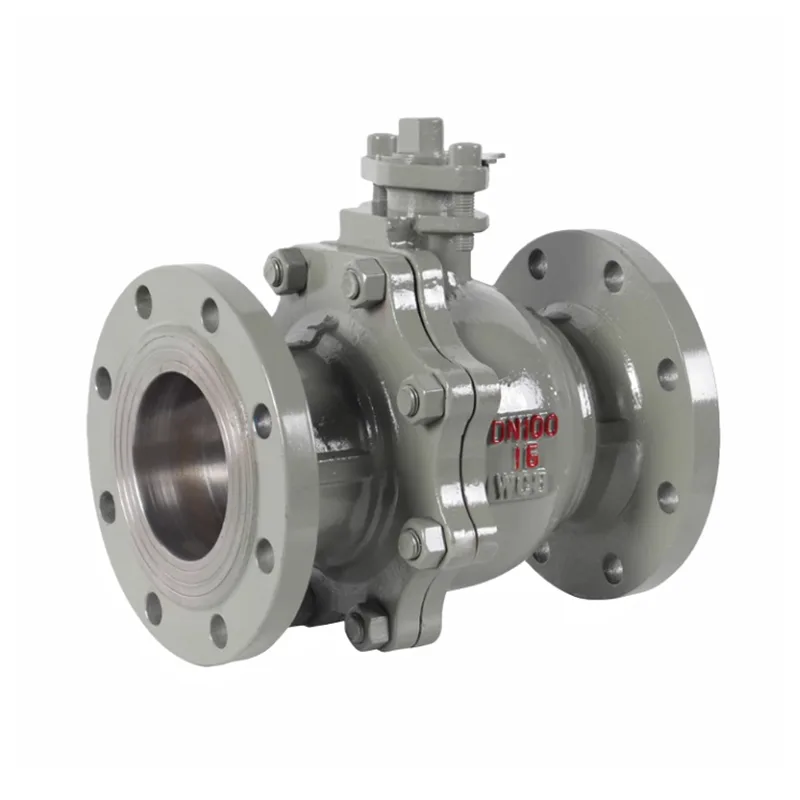
Huadu Valve Group is based in Wenzhou, China, supplying reliable industrial valves of great quality. Our star product, the Fixed Ball Valve, is available in sturdy WCB carbon steel or CF8 stainless steel, delivering outstanding pressure resistance and stable durability. Built with flanged ends and trunnion-supported ball structure, it features low operating torque, dependable bi-directional sealing and smooth operation even under heavy working conditions. It suits large-diameter, high-pressure pipelines widely used in petrochemical, power station and water treatment projects.
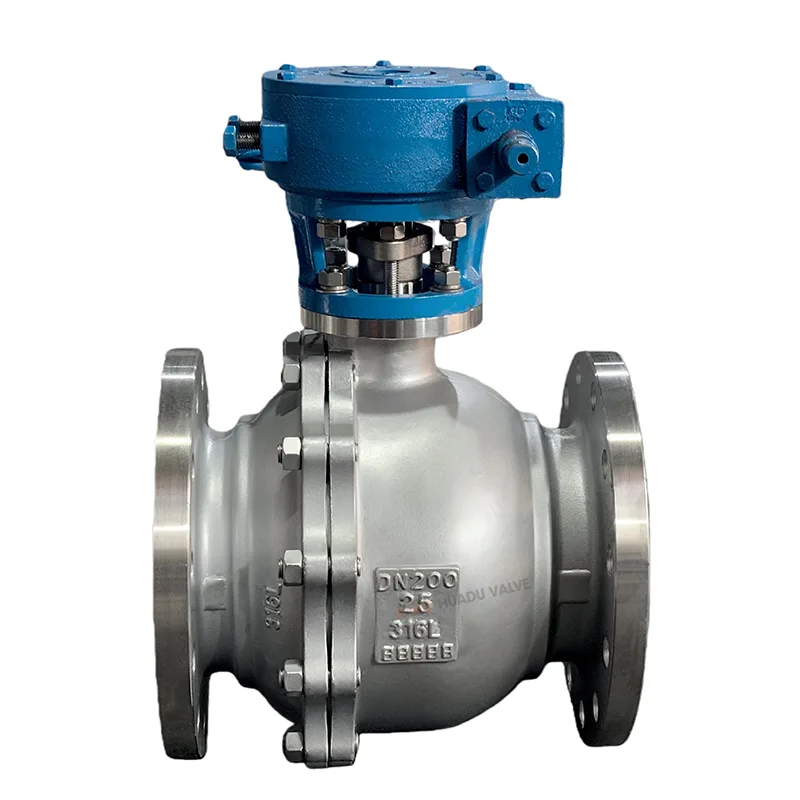
Large Diameter Ball Valve
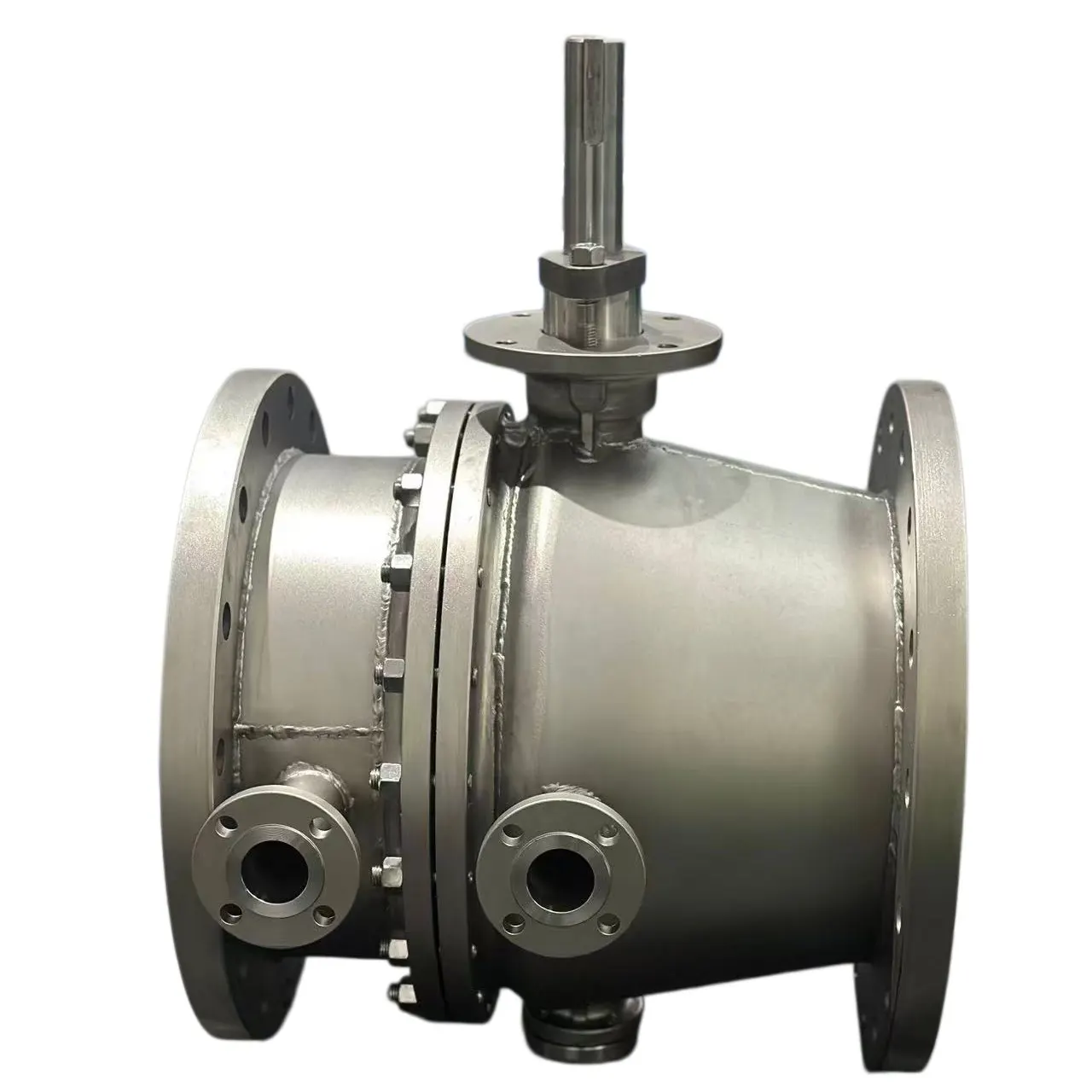
Huadu Valve Group is based in Wenzhou, China. We make industrial valves that actually hold up in the field. One of our main products is the Large Diameter Ball Valve. We use quality carbon steel or stainless steel for the body, so it can handle high pressure without failing early.
It’s got a full port and reinforced body design. That means flow stays smooth, sealing stays tight, and it lasts for years. Perfect for large pipelines in water conservancy, municipal works, and chemical plants.
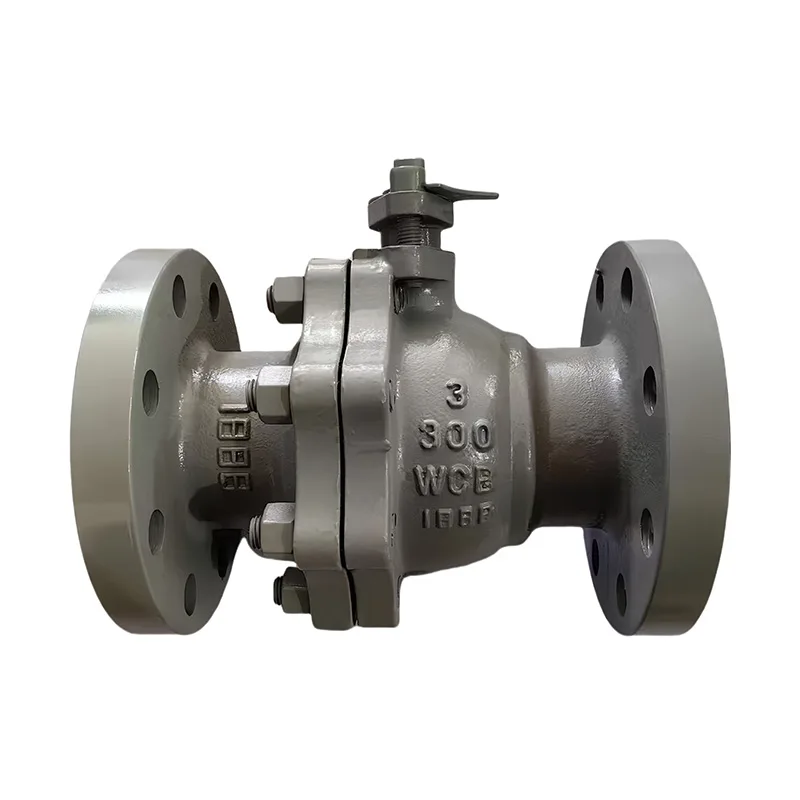
2 Piece Flanged Ball Valve
Huadu Valve Group is situated in Wenzhou, China. We make industrial valves that are tough and built to last. Our 2 Piece Flanged Ball Valve is always a top pick among our clients.
Thanks to its two-piece body design, you can get it installed quickly. It’s also super easy to take apart and do maintenance work right on site. Equipped with strong flange ends and a floating ball inside, this valve seals really well with zero leakage. It won’t slow down fluid flow and can be switched on and off effortlessly.
Huadu Valve is a professional Ball Valve manufacturer and supplier in China. We warmly welcome you to buy high quality products at competitive price from our factory.