English
- English
- Esperanto
- Afrikaans
- Català
- שפה עברית
- Cymraeg
- Galego
- Latviešu
- icelandic
- ייִדיש
- беларускі
- Hrvatski
- Kreyòl ayisyen
- Shqiptar
- Malti
- lugha ya Kiswahili
- አማርኛ
- Bosanski
- Frysk
- ភាសាខ្មែរ
- ქართული
- ગુજરાતી
- Hausa
- Кыргыз тили
- ಕನ್ನಡ
- Corsa
- Kurdî
- മലയാളം
- Maori
- Монгол хэл
- Hmong
- IsiXhosa
- Zulu
- Yoruba
- অসমীয়া
- ଓଡିଆ
- Punjabi
- پښتو
- Chichewa
- Samoa
- Sesotho
- සිංහල
- Gàidhlig
- Cebuano
- Somali
- Тоҷикӣ
- O'zbek
- Hawaiian
- سنڌي
- Shinra
- Հայերեն
- Igbo
- Sundanese
- Lëtzebuergesch
- Malagasy
- Español
- Português
- русский
- Français
- 日本語
- Deutsch
- tiếng Việt
- Italiano
- Nederlands
- ภาษาไทย
- Polski
- 한국어
- Svenska
- magyar
- Malay
- বাংলা ভাষার
- Dansk
- Suomi
- हिन्दी
- Pilipino
- Türkçe
- Gaeilge
- العربية
- Indonesia
- Norsk
- تمل
- český
- ελληνικά
- український
- Javanese
- فارسی
- தமிழ்
- తెలుగు
- नेपाली
- Burmese
- български
- ລາວ
- Latine
- Қазақша
- Euskal
- Azərbaycan
- Slovenský jazyk
- Македонски
- Lietuvos
- Eesti Keel
- Română
- Slovenski
- मराठी
- Srpski језик

Why Is a Forged Gate Valve the Preferred Choice for High-Pressure Industrial Applications
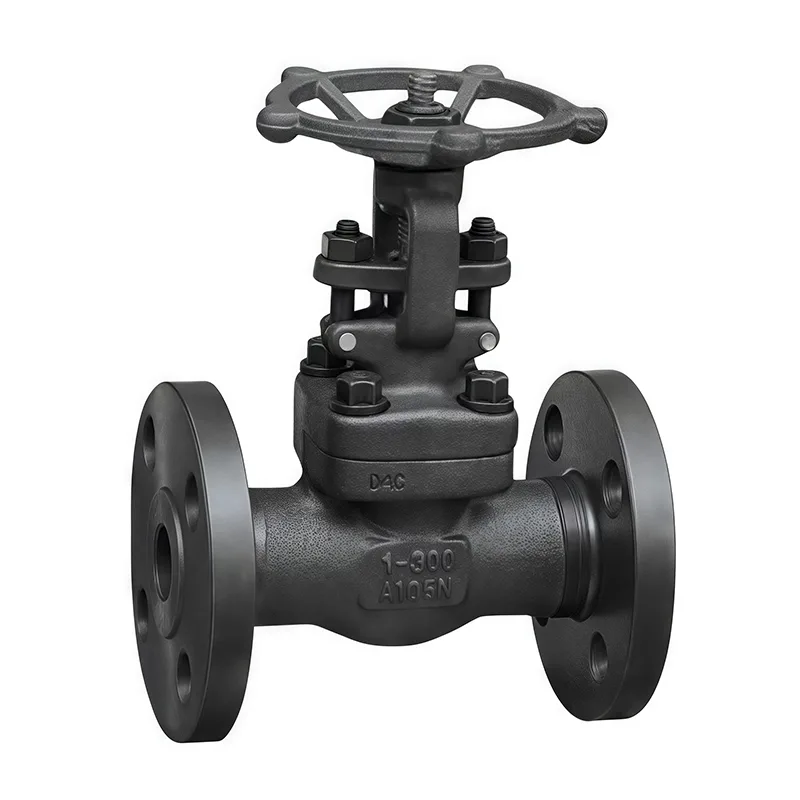
A Forged Gate Valve is widely recognized as one of the most reliable isolation valves used in high-pressure and high-temperature industrial systems. From oil and gas facilities to petrochemical plants, power stations, and industrial processing units, these valves play a critical role in ensuring safe and efficient fluid control. In this comprehensive guide, we will explore the construction, advantages, applications, selection criteria, maintenance practices, and long-term value of a Forged Gate Valve. We will also examine how Huadu Forged Gate Valve solutions help industries improve operational reliability and safety.
Table of Contents
- What Is a Forged Gate Valve?
- How Is a Forged Gate Valve Manufactured?
- Why Do Industries Prefer Forged Gate Valves?
- Where Are Forged Gate Valves Commonly Used?
- Which Materials Are Used in Forged Gate Valves?
- How Does a Forged Gate Valve Compare with Other Valves?
- How to Select the Right Forged Gate Valve?
- What Maintenance Practices Improve Valve Lifespan?
- Frequently Asked Questions
- Conclusion
What Is a Forged Gate Valve?
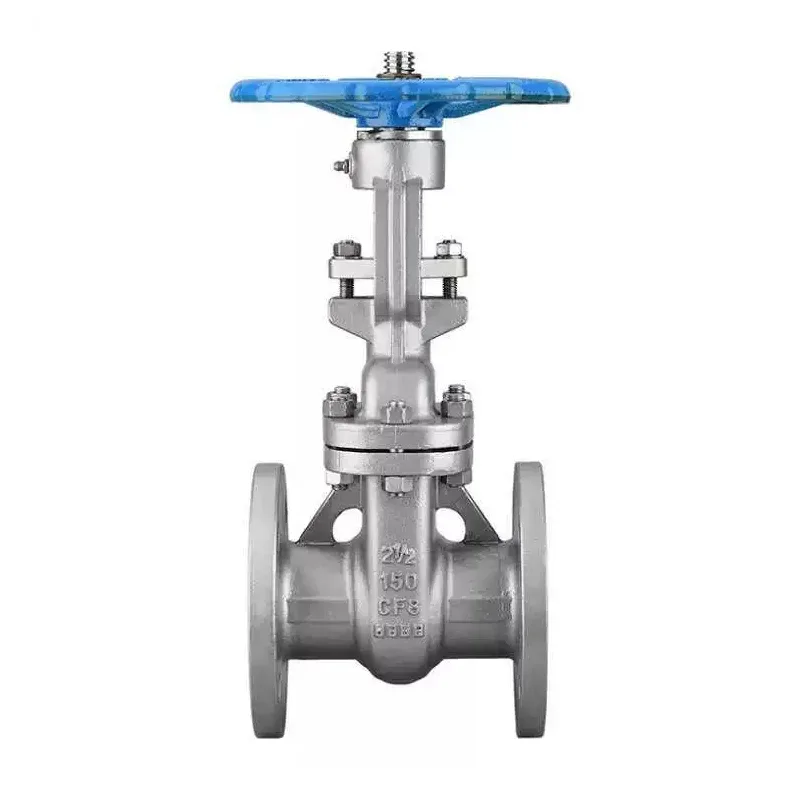
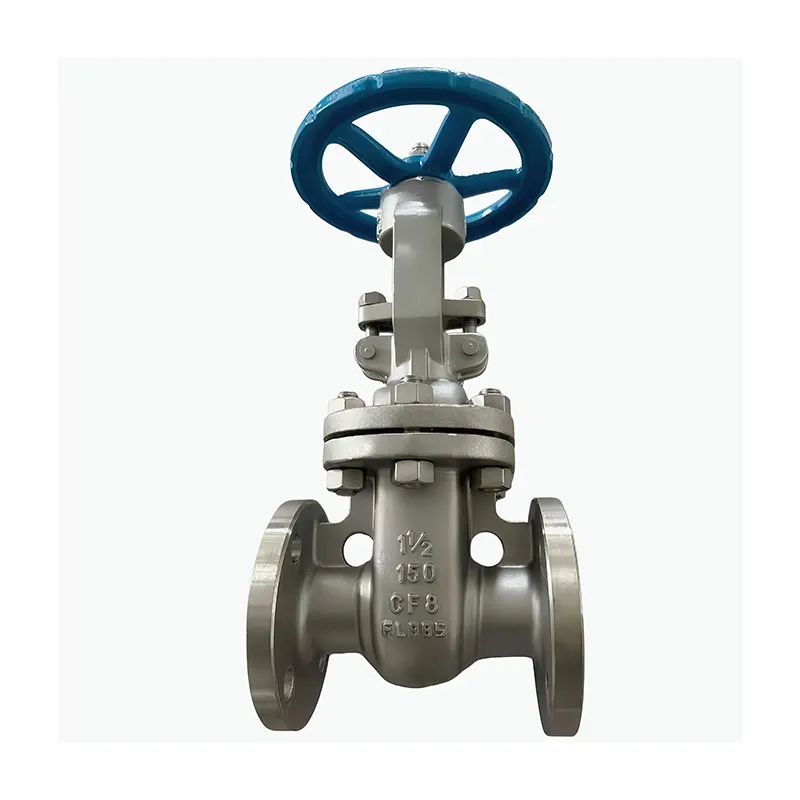
A Forged Gate Valve is a type of shut-off valve designed to completely stop or allow fluid flow within a pipeline. Unlike cast valves, forged valves are manufactured through a forging process that compresses metal under extreme pressure. This process refines the grain structure of the material, resulting in exceptional mechanical strength and durability.
The valve operates by raising or lowering a gate inside the valve body. When the gate is fully raised, the flow path remains unobstructed, minimizing pressure loss. When lowered, the gate completely blocks fluid movement.
Forged Gate Valves are especially suitable for:
- High-pressure pipelines
- Steam systems
- Oil and gas transportation
- Chemical processing facilities
- Power generation plants
- Hydrogen and specialty gas applications
How Is a Forged Gate Valve Manufactured?
The manufacturing process significantly influences valve performance. Forged Gate Valves undergo several precision-engineered stages:
- Raw material selection
- Hot forging under controlled pressure
- Heat treatment
- Precision machining
- Assembly and testing
- Pressure verification
- Final quality inspection
- Higher tensile strength
- Improved fatigue resistance
- Better impact resistance
- Enhanced structural integrity
- Superior pressure containment capability
Why Do Industries Prefer Forged Gate Valves?
There are several reasons why industrial engineers choose Forged Gate Valves over alternative valve technologies.
Exceptional Strength
Forging aligns the metal grain flow with the valve body geometry, creating a stronger component capable of handling extreme operating conditions.
Improved Leak Prevention
The dense microstructure generated through forging reduces the possibility of internal porosity and leakage paths.
Long Service Life
Forged Gate Valves can operate reliably for many years, even in harsh environments involving pressure fluctuations and temperature cycling.
Minimal Pressure Drop
When fully open, the gate retracts entirely from the flow path, allowing unrestricted flow and reducing energy losses.
Enhanced Safety
In industries where system failure can lead to costly downtime or safety hazards, forged construction provides additional confidence.
| Feature | Forged Gate Valve | Cast Gate Valve |
|---|---|---|
| Mechanical Strength | Excellent | Moderate |
| Pressure Resistance | Very High | High |
| Porosity Risk | Very Low | Higher |
| Impact Resistance | Excellent | Moderate |
| Service Life | Longer | Standard |
Where Are Forged Gate Valves Commonly Used?
The versatility of a Forged Gate Valve allows it to be deployed across numerous industrial sectors.
Oil and Gas Industry
- Wellhead systems
- Refineries
- Transmission pipelines
- Offshore platforms
Petrochemical Facilities
- Hydrocarbon processing units
- Chemical reactors
- Storage terminals
Power Generation
- Steam lines
- Boiler feedwater systems
- Turbine auxiliary systems
Industrial Manufacturing
- Process fluid handling
- Compressed gas systems
- High-temperature production lines
Which Materials Are Used in Forged Gate Valves?
Material selection directly affects valve performance, corrosion resistance, and operational longevity.
| Material | Main Advantage | Typical Application |
|---|---|---|
| Carbon Steel | High Strength | General Industrial Service |
| Stainless Steel | Corrosion Resistance | Chemical Processing |
| Alloy Steel | High Temperature Resistance | Power Plants |
| Duplex Stainless Steel | Excellent Corrosion Protection | Offshore Systems |
| Inconel Alloy | Extreme Environment Performance | Specialized Applications |
How Does a Forged Gate Valve Compare with Other Valves?
Forged Gate Valves are often compared with cast gate valves, globe valves, and ball valves. Key differences include:
- Versus Cast Gate Valves: Forged valves offer superior strength, lower porosity, and higher reliability.
- Versus Globe Valves: Globe valves provide better throttling capability, while a Forged Gate Valve is designed primarily for full open or full close service with minimal pressure drop.
- Versus Ball Valves: Ball valves provide faster quarter-turn operation, but Forged Gate Valves are often preferred in high-temperature and high-pressure environments due to their robust sealing performance.
- Versus Butterfly Valves: Butterfly valves are lighter and more compact, whereas Forged Gate Valves provide superior shut-off performance for demanding industrial applications.
| Valve Type | Flow Restriction | Pressure Capability | Best Use |
|---|---|---|---|
| Forged Gate Valve | Very Low | Very High | Isolation Service |
| Globe Valve | Moderate | High | Flow Regulation |
| Ball Valve | Low | High | Fast Shut-Off |
| Butterfly Valve | Moderate | Medium | Large Diameter Systems |
For critical isolation applications involving elevated temperatures and pressures, the Forged Gate Valve remains one of the most trusted valve solutions available.
How to Select the Right Forged Gate Valve?
Selecting the appropriate Forged Gate Valve requires a thorough evaluation of operating conditions and system requirements. A poorly selected valve may lead to inefficiency, increased maintenance costs, or premature failure.
Consider Pressure Rating
Always verify the pressure class required by your system. Common ratings include:
- Class 800
- Class 1500
- Class 2500
- Higher custom pressure classes
Evaluate Temperature Conditions
The valve material must withstand both operating and upset temperatures without compromising performance.
Review Fluid Characteristics
Different media require different material selections:
- Steam
- Natural gas
- Crude oil
- Corrosive chemicals
- Hydrogen
- Water treatment fluids
Choose Appropriate End Connections
Common connection types include:
- Socket Weld (SW)
- Threaded (NPT)
- Butt Weld (BW)
- Specialized custom connections
Verify Industry Standards
Ensure the valve complies with relevant standards such as:
- API 602
- ASME B16.34
- BS 5352
- ISO standards
Work with a Trusted Manufacturer
Choosing an experienced manufacturer such as Huadu helps ensure consistent product quality, reliable technical support, and long-term operational performance.
What Maintenance Practices Improve Valve Lifespan?
Although Forged Gate Valves are known for durability, regular maintenance remains essential for maximizing service life and minimizing unexpected downtime.
Routine Inspection
Inspect valve bodies, stems, seals, and packing components regularly for signs of wear, corrosion, or leakage.
Lubrication
Proper lubrication of moving components reduces friction and prevents premature wear.
Operate Periodically
Valves that remain in one position for extended periods may develop operational issues. Periodic cycling helps maintain smooth movement.
Monitor Packing Adjustment
Stem packing should be adjusted as needed to maintain leak-free operation without excessive friction.
Replace Worn Components Promptly
Small issues can escalate into major failures if ignored. Replacing worn seats, seals, and packing materials at the appropriate time significantly extends valve life.
| Maintenance Activity | Recommended Frequency | Primary Benefit |
|---|---|---|
| Visual Inspection | Monthly | Early Problem Detection |
| Leak Testing | Quarterly | Improved Safety |
| Lubrication | As Required | Reduced Wear |
| Packing Inspection | Semi-Annually | Leak Prevention |
| Comprehensive Overhaul | Based on Service Conditions | Maximum Lifespan |
Implementing a proactive maintenance strategy helps ensure that a Forged Gate Valve continues delivering reliable performance throughout its operational lifecycle.
Why Is Huadu a Reliable Partner for Forged Gate Valve Solutions?
When sourcing industrial valves, product quality and manufacturer expertise are equally important. Huadu has established a strong reputation for delivering dependable valve solutions that meet the demanding requirements of global industries.
Key advantages of choosing Huadu include:
- Advanced manufacturing technology
- Strict quality control procedures
- Comprehensive material options
- Compliance with international standards
- Reliable technical support
- Competitive lead times
- Custom engineering capabilities
Whether your project involves refinery expansion, power generation infrastructure, chemical processing facilities, or high-pressure pipeline systems, Huadu provides Forged Gate Valve solutions designed for long-term performance and reliability.
Frequently Asked Questions
What is the main advantage of a Forged Gate Valve?
The primary advantage is its exceptional mechanical strength and resistance to high-pressure conditions, making it ideal for critical industrial applications.
Can a Forged Gate Valve be used for throttling?
No. A Forged Gate Valve is primarily designed for full open or full closed operation. Continuous throttling may damage the gate and seating surfaces.
What industries commonly use Forged Gate Valves?
Oil and gas, petrochemical, power generation, chemical processing, offshore platforms, and industrial manufacturing sectors commonly utilize Forged Gate Valves.
How long does a Forged Gate Valve typically last?
When properly selected, installed, and maintained, a high-quality Forged Gate Valve can provide reliable service for decades.
Why is forging better than casting for certain valve applications?
Forging creates a denser metal structure with fewer internal defects, resulting in greater strength, durability, and resistance to pressure-related failures.
How do I choose the right Forged Gate Valve material?
Material selection should be based on pressure, temperature, corrosion potential, and the type of fluid being handled within the system.
Conclusion
A Forged Gate Valve remains one of the most dependable solutions for industrial isolation applications where strength, safety, durability, and performance are critical. Thanks to its forged construction, superior pressure resistance, long service life, and excellent sealing capability, it continues to be the preferred choice across industries such as oil and gas, petrochemical processing, power generation, and heavy manufacturing.
By understanding the manufacturing process, material options, performance characteristics, and maintenance requirements, engineers and purchasing professionals can confidently select the most suitable Forged Gate Valve for their operations. Investing in a high-quality valve not only improves system reliability but also reduces long-term operational costs and downtime.
If you are looking for a trusted supplier of premium Forged Gate Valve solutions, Huadu is ready to support your project with industry-leading products, technical expertise, and customized engineering services. Contact us today to discuss your application requirements, receive professional recommendations, and discover how Huadu can help optimize the safety, efficiency, and reliability of your industrial systems.
Related News
- The characteristics of ball valves.
- The working principle of the check valve.
- The working principle and features of Globe Valve.
- Types of gate valves.
- How to Choose A Reliable Sealing Valve for Long-Term Industrial Pipeline Operation?
- What Makes Globe Valves Essential for Frequent Switching and Flow Adjustment?
Leave me a message