English
- English
- Esperanto
- Afrikaans
- Català
- שפה עברית
- Cymraeg
- Galego
- Latviešu
- icelandic
- ייִדיש
- беларускі
- Hrvatski
- Kreyòl ayisyen
- Shqiptar
- Malti
- lugha ya Kiswahili
- አማርኛ
- Bosanski
- Frysk
- ភាសាខ្មែរ
- ქართული
- ગુજરાતી
- Hausa
- Кыргыз тили
- ಕನ್ನಡ
- Corsa
- Kurdî
- മലയാളം
- Maori
- Монгол хэл
- Hmong
- IsiXhosa
- Zulu
- Yoruba
- অসমীয়া
- ଓଡିଆ
- Punjabi
- پښتو
- Chichewa
- Samoa
- Sesotho
- සිංහල
- Gàidhlig
- Cebuano
- Somali
- Тоҷикӣ
- O'zbek
- Hawaiian
- سنڌي
- Shinra
- Հայերեն
- Igbo
- Sundanese
- Lëtzebuergesch
- Malagasy
- Español
- Português
- русский
- Français
- 日本語
- Deutsch
- tiếng Việt
- Italiano
- Nederlands
- ภาษาไทย
- Polski
- 한국어
- Svenska
- magyar
- Malay
- বাংলা ভাষার
- Dansk
- Suomi
- हिन्दी
- Pilipino
- Türkçe
- Gaeilge
- العربية
- Indonesia
- Norsk
- تمل
- český
- ελληνικά
- український
- Javanese
- فارسی
- தமிழ்
- తెలుగు
- नेपाली
- Burmese
- български
- ລາວ
- Latine
- Қазақша
- Euskal
- Azərbaycan
- Slovenský jazyk
- Македонски
- Lietuvos
- Eesti Keel
- Română
- Slovenski
- मराठी
- Srpski језик

How to Choose A Reliable Sealing Valve for Long-Term Industrial Pipeline Operation?
Industrial pipelines form the backbone of oil & gas, chemical processing, power generation and water treatment facilities. Many project owners and EPC contractors have encountered costly downtime caused by valve leakage, body cracking or short service life. When sourcing pipeline components for long-cycle continuous operation, sealing stability and structural durability become the core evaluation indicators.Huadu is an integrated valve manufacturer. We keep full in-house production control and strict quality testing, delivering custom and standard valves with reliable lead times for global projects.
Picking a proper valve solution is never only about matching nominal pressure and size. You also need to consider medium corrosion, temperature fluctuation, frequent on-off cycles and on-site maintenance conditions. This article breaks down the key selection criteria, and introduces robust valve designs built to handle harsh long-term pipeline service.
What Core Risks Threaten Valve Sealing Performance During Long Pipeline Operation?
Most valve failures in industrial piping do not happen at the initial commissioning stage. They gradually emerge after months or years of continuous running.
1. Corrosion erosion: Chemical media, brine and wet gas will slowly wear valve body and sealing surfaces. Ordinary carbon steel valves cannot sustain long exposure to corrosive fluid.
2. Pressure shock: Unexpected pressure spikes inside pipelines can warp the valve body and harm sealing surfaces, resulting in slow, progressive leakage over time.
3. High torque for large bore valves: Standard floating ball designs demand much higher operating torque. This accelerates wear on seat seals when the valve opens and closes frequently.
All these hidden risks require buyers to move beyond basic parameter checking and focus on valve body material and internal structural design.
What Structural & Material Features Should You Prioritize for Durable Pipeline Valves?
When hunting for a valve that maintains tight sealing for years, two core factors should be your main concern: body manufacturing method and ball support structure.
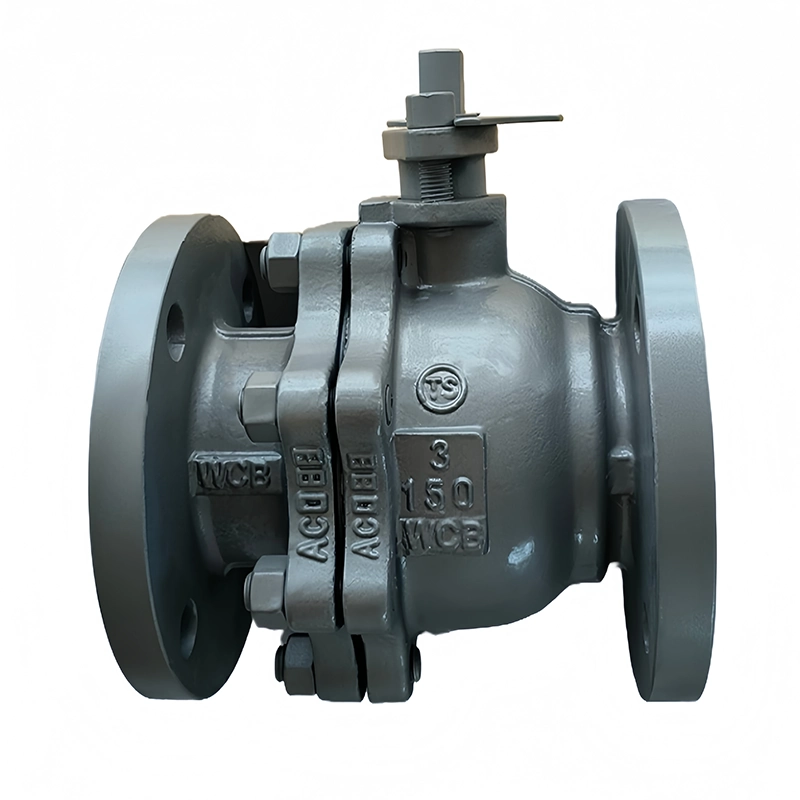
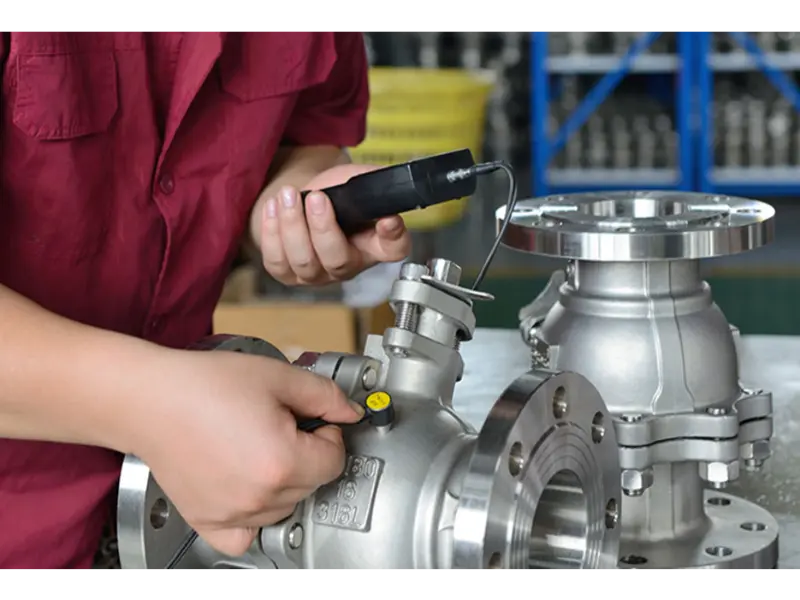
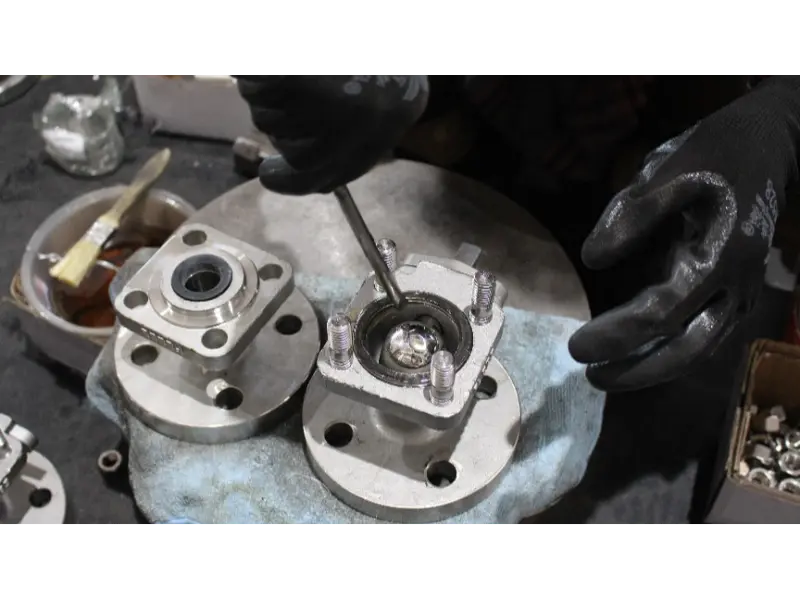
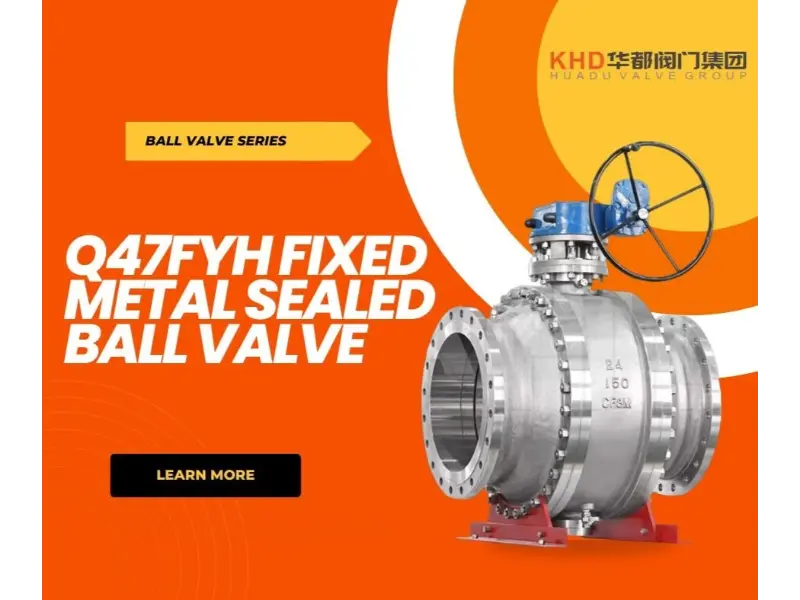
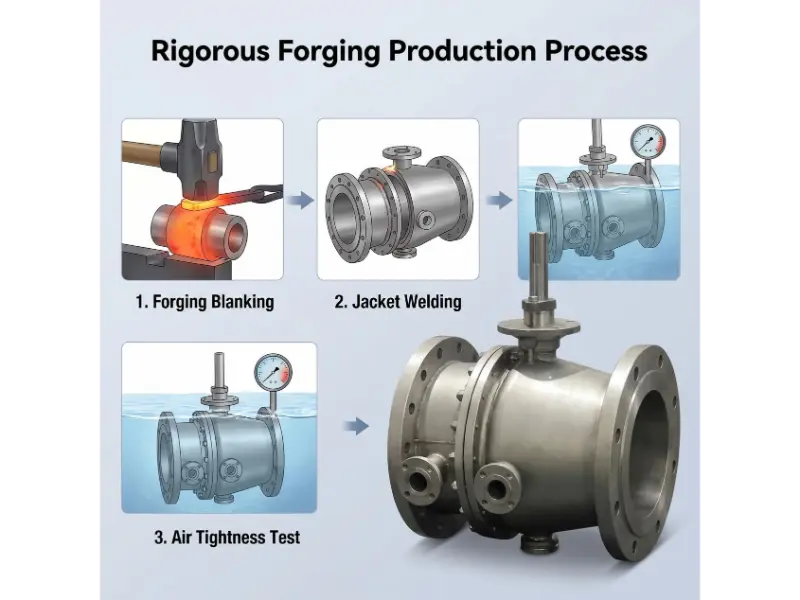
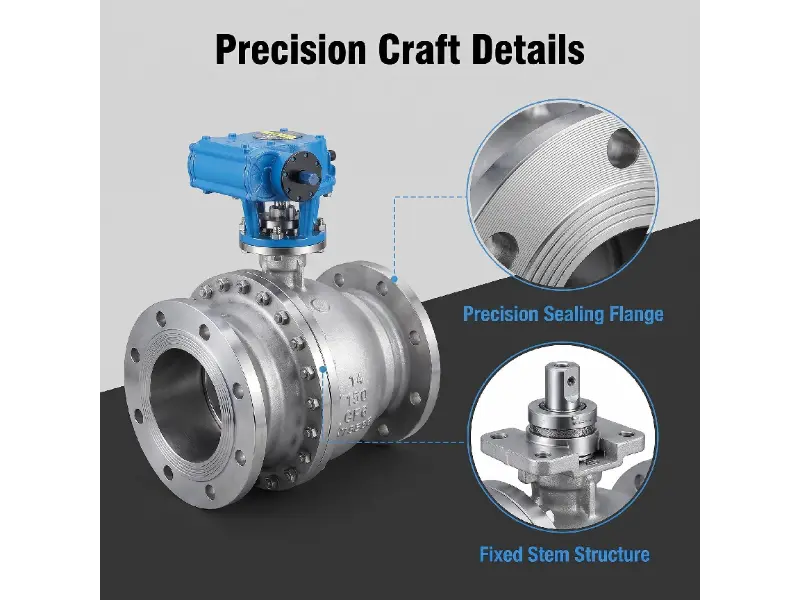
Forged valve bodies deliver far stronger mechanical performance than ordinary cast valves. The forging process compacts the metal structure and eliminates internal pores and shrinkage defects commonly found in cast products. For this reason, the Forged Flanged Ball Valve can reliably withstand frequent pressure fluctuations and heavy pipeline loads, effectively preventing body cracking and leakage during long-term continuous operation.
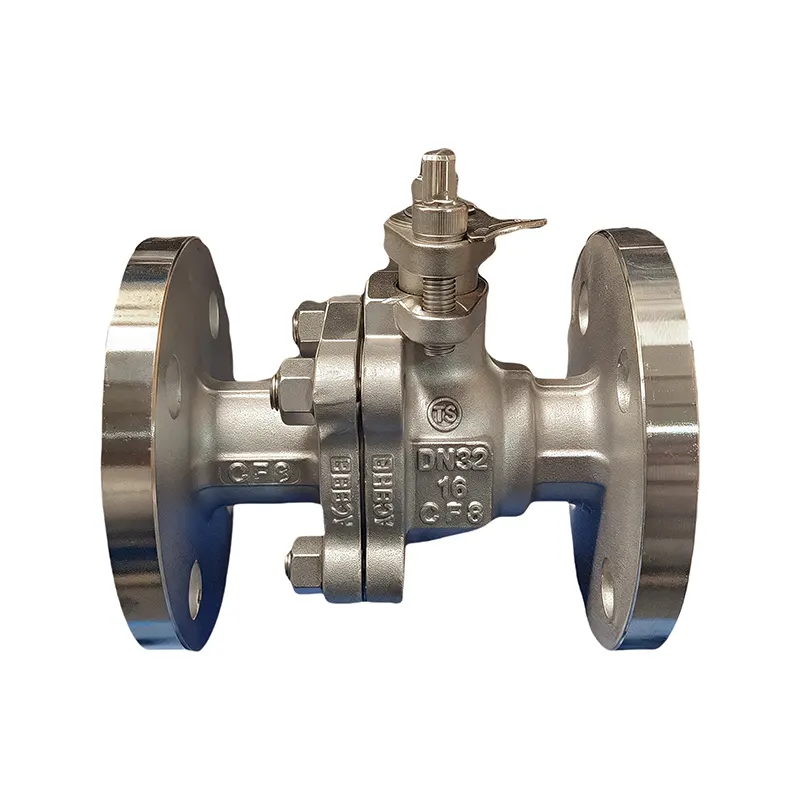
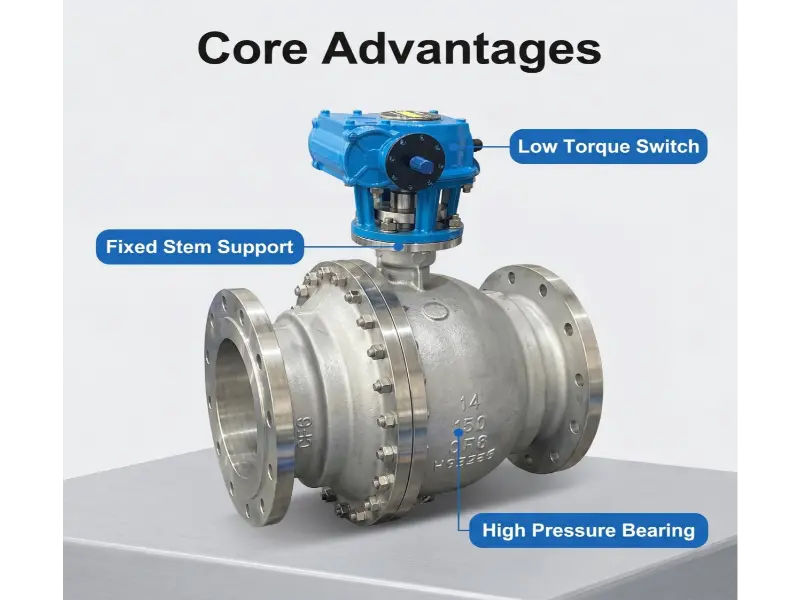
For large bore, high-pressure pipeline systems, trunnion-supported fixed ball designs offer clear practical benefits. Unlike floating ball valves, the ball inside a Fixed Ball Valve is locked in place by top and bottom trunnion supports. This setup cuts down operating torque significantly, minimizing rubbing between the ball and valve seats. Less friction means your sealing parts won’t wear out prematurely.Huadu manufactures these valve types in-house, with full forging and machining capabilities to guarantee consistent quality.
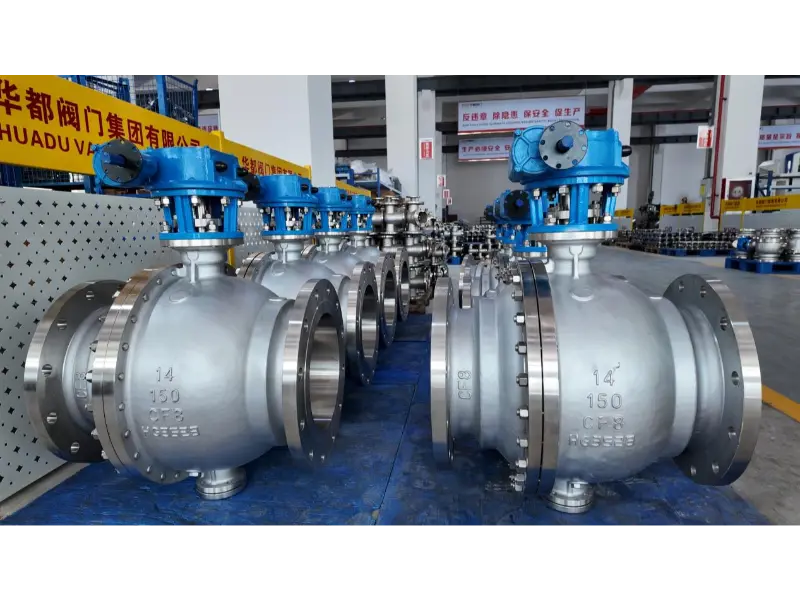
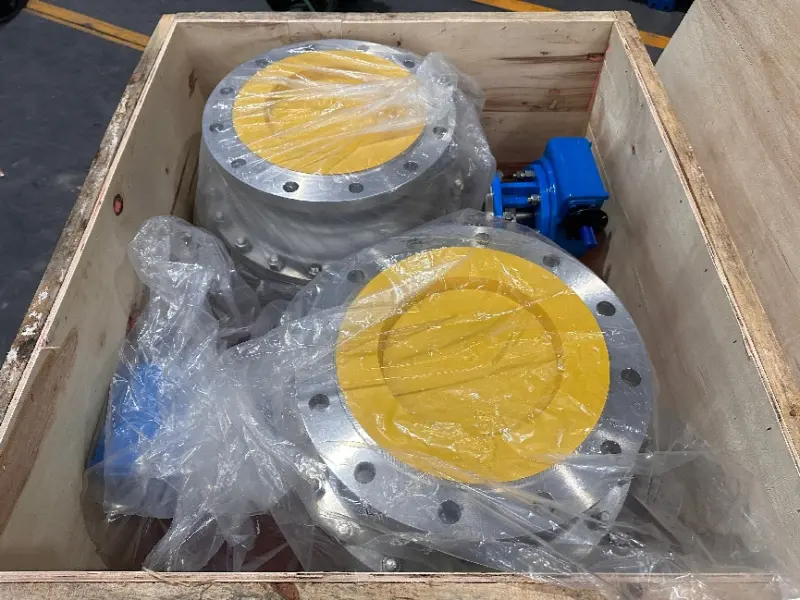
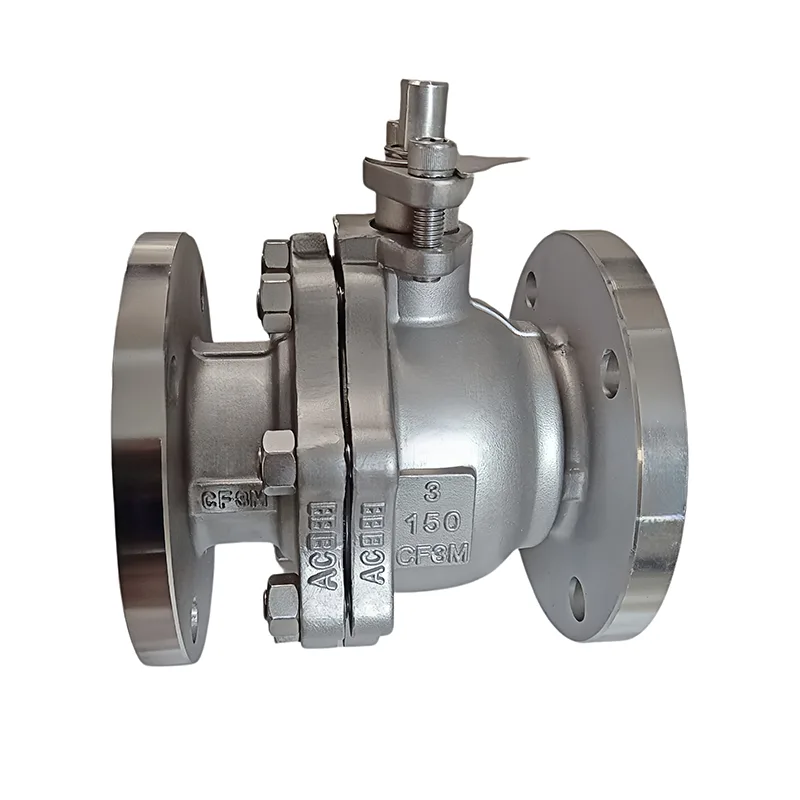
If your pipeline handles corrosive fluids, upgrading body material becomes non-negotiable. The Stainless Steel Fixed Ball Valve pairs this trunnion fixed ball structure with stainless steel body and internal components. It stands up to oxidation and chemical attack, maintaining stable sealing performance for chemical processing and offshore pipeline applications.
Practical Checklist for Valve Procurement Before Final Order Confirmation
After you settle on the valve’s construction and material grade, there are key practical checks to complete before confirming your order.
- Pressure temperature rating: Make sure the valve class can cope with your pipeline’s peak pressure and temperature. Leave a reasonable safety buffer to handle sudden surges during operation.
- Material test reports: Always require official MTC files from your supplier. This ensures the valve body and internal trim meet actual material standards, avoiding substandard raw materials in long-term pipeline use.
- Seat material selection: Match the seat type strictly to your on-site medium and working temperature. PTFE, RPTFE and metal hard seals each have their own applicable scenarios, and mismatched seating will cause early leakage and service failure.
- Third-party inspection and certifications: Valid ISO, CE and industry certifications reflect the factory’s stable production quality and standardized quality control, which is essential for industrial pipeline project acceptance.
Why Full-Service Factory Support Adds Value to Long-Term Pipeline Valve Investment
A durable valve alone cannot guarantee trouble-free pipeline operation. The technical backing you get from your manufacturer plays an equally important role over the asset’s lifespan.
Trusted valve manufacturers can walk you through parameter selection, build custom designs to suit unique project needs, carry out pressure testing before shipment and offer ongoing technical guidance. Huadu delivers this full-cycle support, with in-house machining and testing to match custom project requirements.Whether you are sourcing standard sizes or custom dimensions to fit unusual pipeline layouts, an experienced factory can tailor solutions that match your project’s actual working conditions.
Selecting a dependable sealing valve for long-running industrial pipelines is a thorough evaluation process rather than a simple item purchase. You have to assess operating conditions, corrosion resistance, pressure spikes and structural durability all together.
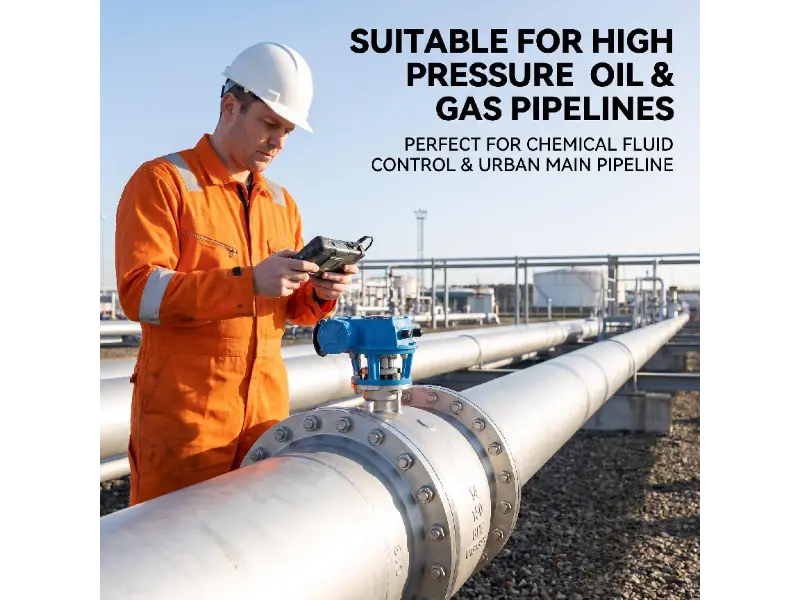
For heavy-duty, corrosive and high-pressure pipeline projects, trunnion fixed ball and forged flanged valve styles are field-proven choices. Carefully reviewing material specs, mechanical design and factory qualifications step by step helps project teams avoid unplanned leakage failures and extend the overall service life of pipeline systems.
Next :
-
Related News
- The characteristics of ball valves.
- The working principle of the check valve.
- The working principle and features of Globe Valve.
- Types of gate valves.
- What Makes Globe Valves Essential for Frequent Switching and Flow Adjustment?
- Why Is a Hard Seal Globe Valve a Reliable Choice for High-Temperature and High-Pressure Flow Control
Leave me a message