English
- English
- Esperanto
- Afrikaans
- Català
- שפה עברית
- Cymraeg
- Galego
- Latviešu
- icelandic
- ייִדיש
- беларускі
- Hrvatski
- Kreyòl ayisyen
- Shqiptar
- Malti
- lugha ya Kiswahili
- አማርኛ
- Bosanski
- Frysk
- ភាសាខ្មែរ
- ქართული
- ગુજરાતી
- Hausa
- Кыргыз тили
- ಕನ್ನಡ
- Corsa
- Kurdî
- മലയാളം
- Maori
- Монгол хэл
- Hmong
- IsiXhosa
- Zulu
- Yoruba
- অসমীয়া
- ଓଡିଆ
- Punjabi
- پښتو
- Chichewa
- Samoa
- Sesotho
- සිංහල
- Gàidhlig
- Cebuano
- Somali
- Тоҷикӣ
- O'zbek
- Hawaiian
- سنڌي
- Shinra
- Հայերեն
- Igbo
- Sundanese
- Lëtzebuergesch
- Malagasy
- Español
- Português
- русский
- Français
- 日本語
- Deutsch
- tiếng Việt
- Italiano
- Nederlands
- ภาษาไทย
- Polski
- 한국어
- Svenska
- magyar
- Malay
- বাংলা ভাষার
- Dansk
- Suomi
- हिन्दी
- Pilipino
- Türkçe
- Gaeilge
- العربية
- Indonesia
- Norsk
- تمل
- český
- ελληνικά
- український
- Javanese
- فارسی
- தமிழ்
- తెలుగు
- नेपाली
- Burmese
- български
- ລາວ
- Latine
- Қазақша
- Euskal
- Azərbaycan
- Slovenský jazyk
- Македонски
- Lietuvos
- Eesti Keel
- Română
- Slovenski
- मराठी
- Srpski језик

What Makes Globe Valves Essential for Frequent Switching and Flow Adjustment?
Inside a chemical processing plant, a steam temperature control loop cycles dozens of times each day. The operator adjusts the valve, the temperature stabilizes, and the cycle repeats. At first glance, this seems routine—until a valve fails after six months of service, forcing a costly plant shutdown. The root cause? A gate valve was installed where a globe valve should have been. Gate valves, while excellent for isolation, are not designed for frequent throttling. The repeated modulation wears the sealing surfaces unevenly, leading to leakage and eventual failure. This is the kind of mistake that can be avoided by understanding the fundamental strengths of different valve designs.
Globe valves have earned their reputation as the workhorse of flow control. They are specifically engineered for applications requiring frequent operation and precise flow adjustment. The secret lies in their distinctive design: a disk that moves perpendicular to the flow path, a seat that provides a tight seal, and a flow path that creates a pressure drop ideal for throttling. Unlike gate valves, which are designed to be fully open or fully closed, globe valves are built to modulate. They offer excellent sealing characteristics, a wide range of flow control capabilities, and the ability to withstand the wear and tear of frequent cycling. This article will explore the design principles, performance characteristics, and selection criteria that make globe valves indispensable in industries ranging from power generation to petrochemical processing.
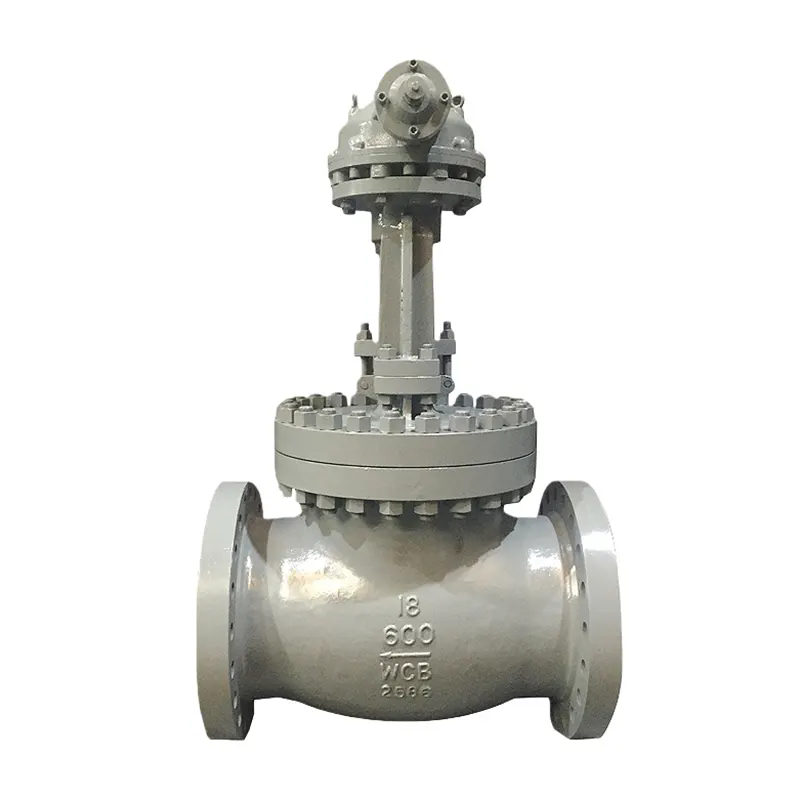
Table of Contents
- 1. What Is a Globe Valve and How Does It Work?
- 2. Why Does Globe Valve Design Favor Frequent Operation?
- 3. How Does Globe Valve Achieve Precise Flow Adjustment?
- 4. What Technical Specifications Define a High-Quality Globe Valve?
- 5. How Does Globe Valve Compare to Other Valve Types for Throttling?
- 6. What Maintenance Practices Extend Globe Valve Service Life?
- 7. Frequently Asked Questions (FAQ)
- 8. Conclusion
1. What Is a Globe Valve and How Does It Work?
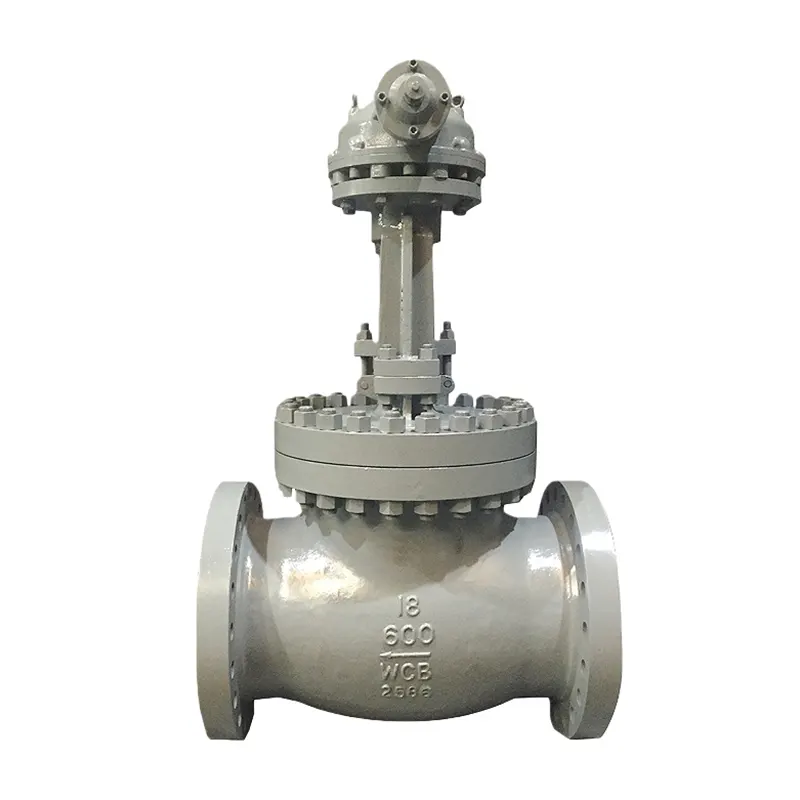
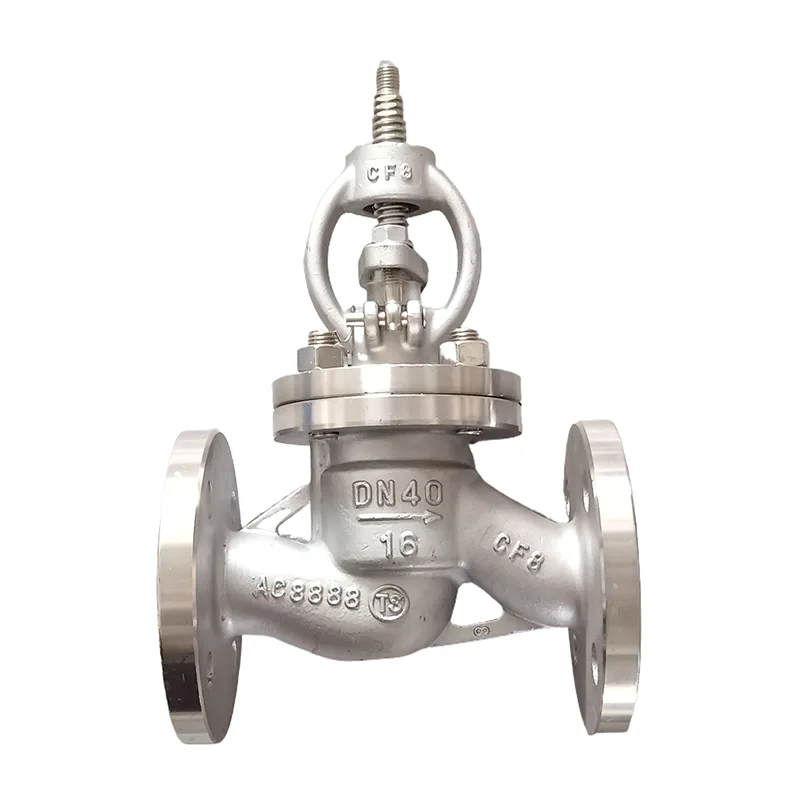
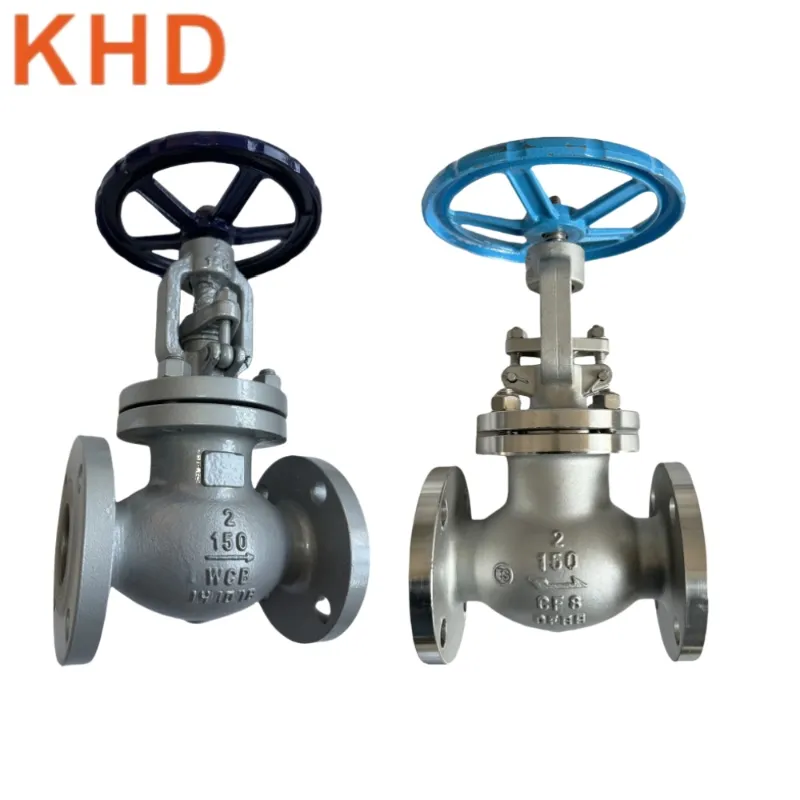
A globe valve is a linear-motion valve used to start, stop, and regulate flow in a piping system. Its name comes from the spherical shape of its body, which houses the internal components. The defining feature of a globe valve is its disk and seat assembly, which is positioned perpendicular to the flow path. When the valve is opened, the disk moves up and away from the seat, creating a gap through which the fluid flows. When closed, the disk seats firmly against the seat, creating a tight seal. This perpendicular movement is what distinguishes a globe valve from a gate valve, where the gate moves parallel to the flow.
To understand the operation of a globe valve, imagine a faucet in your home. When you turn the handle, a rubber washer moves up and down against a metal seat, controlling the flow of water. This is essentially the same principle. A globe valve uses a threaded stem (or a non-rising stem) to convert rotational motion from the handwheel into linear motion. As the handwheel is turned, the stem rotates, causing the disk to move up or down. The position of the disk determines the size of the flow opening, which in turn determines the flow rate. The fluid enters the valve body, passes through the seat orifice, and exits the other side. The change in flow direction—the fluid must make a 90-degree turn as it passes through—creates the pressure drop that makes globe valves excellent for throttling.
The design of a globe valve is not a single, monolithic concept. There are several variations, including the T-pattern, Y-pattern, and angle globe valves. The T-pattern is the most common, with the inlet and outlet aligned in a straight line. The Y-pattern features a stem that is angled at 45 degrees to the flow path, offering a lower pressure drop and better flow characteristics. The angle globe valve has the inlet and outlet at a 90-degree angle, making it suitable for applications where space is limited or where the flow needs to change direction. Huadu Valve Group Co., Ltd. manufactures a full range of Globe Valve configurations, allowing engineers to select the optimal design for their specific application.
2. Why Does Globe Valve Design Favor Frequent Operation?
When a valve is subjected to frequent operation, the primary concern is wear. Every time the valve is opened or closed, the sealing surfaces come into contact, creating friction. Over time, this friction can erode the sealing surfaces, leading to leakage. The design of a globe valve is specifically engineered to minimize this wear. The key to its durability lies in the way the disk and seat interact. In a globe valve, the disk is guided by the stem, ensuring that it aligns perfectly with the seat each time it closes. This precise alignment prevents the disk from rubbing against the seat at an angle, which would cause uneven wear.
Another advantage is the self-cleaning action of a globe valve. As the fluid passes through the valve, it flows across the seating surfaces. This flow, particularly at high velocities, helps to wash away any particles or deposits that might accumulate on the seat. This self-cleaning action is a critical factor in extending the service life of the valve, especially in applications with dirty or contaminated fluids. In contrast, a gate valve has a different dynamic. When a gate valve is partially open, the flow passes across the gate and seat, causing rapid erosion. This is why gate valves are not suitable for throttling. The globe valve, on the other hand, is designed with a flow path that directs the fluid away from the seating surfaces, reducing erosion. This is a result of the flow geometry: the fluid enters the valve, changes direction, and then exits, and the seating surfaces are positioned to minimize the impact of the flow.
Our factory at Huadu Valve Group Co., Ltd. has performed extensive wear tests on different valve designs. In a test simulating 10,000 full-stroke operations under high-temperature steam conditions, a standard Globe Valve maintained its seal with no measurable leakage, while a gate valve under the same conditions exhibited significant wear and leakage after just 1,000 cycles. This test data underscores the superiority of the Globe Valve for frequent operation. The disk and seat materials also play a critical role. In high-temperature applications, a Globe Valve with a Stellite-faced disk and a hardened stainless steel seat offers exceptional wear resistance. The Stellite hard-facing provides a tough, wear-resistant surface that can withstand the repeated impact of frequent cycling. Similarly, for corrosive applications, a Globe Valve with a Monel disk and seat offers excellent resistance to chemical attack. At Huadu Valve Group, we offer a wide range of trim materials to match the specific demands of your application.
3. How Does Globe Valve Achieve Precise Flow Adjustment?
Precise flow adjustment is the core function of a globe valve. Unlike a simple isolation valve, a globe valve is designed to be partially open, providing a controlled resistance to flow. The ability to control flow is derived from the relationship between the disk position and the flow area. As the disk is lifted from the seat, the flow area increases. However, the relationship is not linear; it is governed by the geometry of the disk and seat. This non-linear relationship allows for fine control over a wide range of flow rates. This is why a Globe Valve is often the valve of choice for modulating control.
The flow characteristic of a globe valve is often described by its "flow characteristic curve." There are three primary types: linear, equal percentage, and quick-opening. A linear characteristic means that the flow rate is directly proportional to the valve stroke. A 10% opening results in 10% of the maximum flow. This characteristic is ideal for applications where the pressure drop across the valve is constant. An equal percentage characteristic means that each increment of valve stroke increases the flow by a fixed percentage of the current flow. A 10% stroke might increase flow by 20%. This characteristic is ideal for applications where the pressure drop varies, as it provides a more stable control. A quick-opening characteristic means that the valve provides a large change in flow for a small initial movement, making it suitable for applications requiring fast response.
To illustrate the importance of selecting the correct flow characteristic, consider a steam temperature control system. The system uses a Globe Valve to regulate the flow of steam to a heat exchanger. If the system uses a linear Globe Valve, the temperature response will be linear. However, if the system operates with a varying pressure drop, a linear Globe Valve may provide unstable control. An equal-percentage Globe Valve would provide more stable control. Our factory at Huadu Valve Group Co., Ltd. offers Globe Valves with different disk shapes to provide different flow characteristics, and our engineering team can help you select the right one. The choice of flow characteristic is a key element in the system design, and our team can provide guidance on the optimal selection for your specific application.
The precision of a Globe Valve is also enhanced by the use of a positioner. A positioner is a device that receives a control signal and adjusts the valve position to achieve the desired flow. The positioner ensures that the valve opens to the exact position required, even in the face of changing operating conditions. This is particularly important in applications requiring high accuracy, such as chemical dosing or temperature control. By selecting a Globe Valve with a high-quality positioner, engineers can achieve flow control accuracy of +/- 1%.
4. What Technical Specifications Define a High-Quality Globe Valve?
When selecting a Globe Valve, engineers must carefully evaluate a range of technical specifications. These parameters define the valve's performance, durability, and suitability for the application. The primary specifications include: valve size (nominal pipe size, NPS), pressure rating (class), temperature range, end connections, body material, trim material, and flow characteristic. Each of these parameters must be matched to the specific requirements of the process. The valve size determines the flow capacity of the valve. A valve that is too small will restrict flow, while a valve that is too large will be more expensive and may not provide adequate control.
The pressure rating, typically designated as a class (Class 150, Class 300, Class 600, etc.), defines the maximum pressure the valve can withstand at a given temperature. For high-pressure applications, a Class 600 or higher Globe Valve is required. The temperature range is determined by the materials of construction. For high-temperature applications (above 425°C), a valve with a cast steel body and a hard-faced trim is required. For cryogenic applications, a valve with a stainless steel body and a special low-temperature trim is required. The end connections are the means by which the valve is attached to the piping system. The most common types are flanged ends, threaded ends, and welded ends. Flanged ends are the most versatile and are used in most applications. Threaded ends are used for smaller valves and lower pressures, while welded ends are used for high-pressure and high-temperature applications.
At Huadu Valve Group Co., Ltd., we manufacture Globe Valve in a wide range of materials and configurations. Our standard Globe Valve bodies are available in cast iron, ductile iron, cast steel, stainless steel, and high-temperature alloys. The trims are available in a variety of materials, including 13% chrome stainless steel, Stellite, and Monel. The table below provides a summary of the key technical specifications for our most popular Globe Valve models.
| Parameter | Standard Industrial Model | High-Performance Model | Cryogenic Model |
| Body Material | Cast Steel (WCB) | Stainless Steel (CF8M) | Stainless Steel (CF8M) |
| Trim Material | 13% Cr Stainless Steel | Stellite Hard-Faced | 316 Stainless Steel |
| Pressure Class | Class 150 - Class 600 | Class 300 - Class 1500 | Class 150 - Class 600 |
| Temperature Range | -29°C to +425°C | -29°C to +540°C | -196°C to +150°C |
| End Connections | Flanged, Threaded, Welded | Flanged, Welded | Flanged, Threaded |
| Flow Characteristic | Linear or Equal Percentage | Linear or Equal Percentage | Linear or Equal Percentage |
5. How Does Globe Valve Compare to Other Valve Types for Throttling?
When an engineer designs a system requiring precise flow control, the first question is often: "Which type of valve is best for this application?" While many valve types can be used for throttling, the Globe Valve is typically the preferred choice. To understand why, it is helpful to compare the Globe Valve to other common valve types: gate valves, ball valves, and butterfly valves. Each has its own strengths and weaknesses, and the choice depends on the specific requirements of the application.
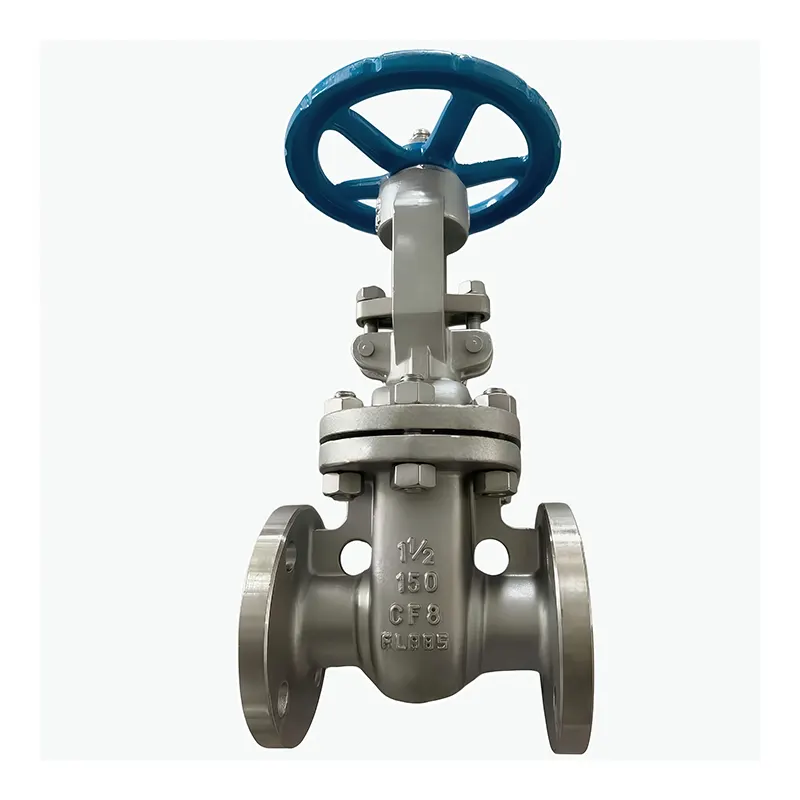
Gate valves are primarily designed for on/off service. They are not suitable for throttling. When a gate valve is partially open, the high-velocity flow across the gate and seat causes rapid erosion and wear. The gate valve is also not designed for frequent operation; the sliding motion of the gate can lead to galling and seizing. In a Globe Valve, the flow path is designed to minimize wear during throttling, making it suitable for modulating service. For applications requiring frequent throttling, a Globe Valve is the superior choice. Ball valves are another common valve type. They offer excellent shutoff capability and are available in a range of designs. However, ball valves have a more restricted range of flow control, and their flow characteristic is typically quick-opening, which is not ideal for precise throttling. In a Globe Valve, the flow characteristic is more linear or equal percentage, providing better control.
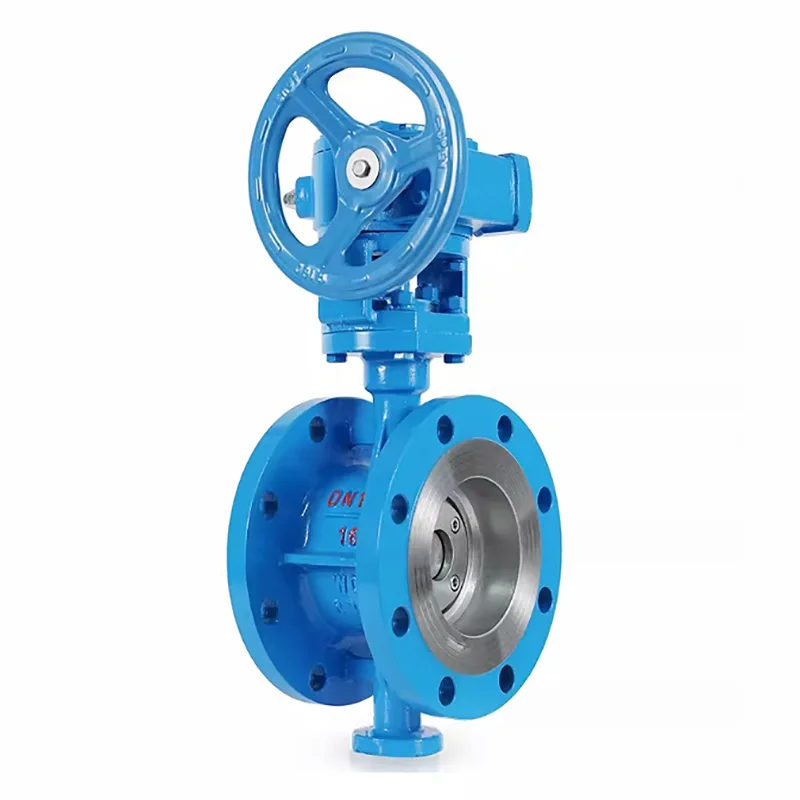
Butterfly valves are often used for large-diameter applications. They are compact, lightweight, and cost-effective. However, they are generally not as precise as Globe Valves for throttling. The butterfly valve's control characteristic is non-linear, and it can be prone to cavitation and erosion at high differential pressures. The Globe Valve, with its robust design and wide range of flow characteristics, is the preferred choice for demanding throttling applications. The table below provides a comparison of the key features of Globe Valves, gate valves, ball valves, and butterfly valves for throttling applications.
| Characteristic | Globe Valve | Gate Valve | Ball Valve | Butterfly Valve |
| Throttling Capability | Excellent | Poor | Good | Fair |
| Flow Characteristic | Linear, Equal %, Quick | Generally Linear | Quick Opening | Equal Percentage |
| Frequency of Operation | High | Low | Medium | Medium |
| Pressure Drop | High | Low | Low | Medium |
| Sealing Performance | Excellent | Good | Excellent | Good |
| Cost (Relative) | Medium | Low | Medium-High | Low |
6. What Maintenance Practices Extend Globe Valve Service Life?
Even the highest-quality Globe Valve will not perform reliably without proper maintenance. Regular inspection and servicing are essential for preventing unexpected failures and for extending the valve's service life. The first step in a maintenance program is a regular visual inspection. The valve should be checked for any external leaks, such as leaks from the stem seal or the body gasket. The valve should also be checked for any unusual noise or vibration during operation, which can indicate a problem with the internal components. A good maintenance program includes a planned schedule for disassembly and inspection of the internal components.
When a Globe Valve is disassembled, the disk and seat should be inspected for wear, pitting, or corrosion. If the disk or seat is worn, it can often be repaired by lapping or grinding. Lapping is a process of using an abrasive paste to polish the sealing surfaces. This can restore the sealing performance of the valve without requiring replacement of the disk or seat. The stem should be inspected for wear or damage. The packing should be inspected for leaks. If the packing is leaking, it can be tightened or replaced. The packing gland should be checked for proper alignment. The packing should be tightened to the correct torque. Overtightening the packing can cause stem damage and increase friction. Undertightening will cause leakage.
In our factory at Huadu Valve Group Co., Ltd., we have seen a Globe Valve that, with proper maintenance, can provide decades of service. One customer, a power generation plant, had a Globe Valve that had been in service for 35 years. The valve was disassembled annually, inspected, and the sealing surfaces were lapped as needed. The valve had never required a major overhaul. This is an exceptional case, but it illustrates the point that with proper care, a Globe Valve can provide a long service life. We recommend a minimum maintenance schedule of an annual visual inspection and a full disassembly inspection every 3-5 years, depending on the service conditions.
The table below summarizes the recommended maintenance practices for a Globe Valve.
| Maintenance Task | Frequency | Key Checks |
| Visual Inspection | Monthly | External leaks, stem seal, body gasket, operating noise |
| Functional Test | Quarterly | Operation, stem travel, position indication |
| Packing Adjustment | As needed | Leakage, stem torque, gland bolt torque |
| Partial Disassembly | Annually | Disk and seat condition, stem wear, internal cleanliness |
| Full Overhaul | Every 3-5 years | Complete disassembly, inspection, and refurbishment |
7. Frequently Asked Questions (FAQ)
Question 1: Why is a globe valve preferred over a gate valve for throttling applications?
Answer: A globe valve is preferred over a gate valve for throttling because its design is specifically engineered for modulating flow. The disk of a globe valve moves perpendicular to the seat, allowing for precise control of the flow area. The flow path also creates a pressure drop that makes throttling more effective. A gate valve, by contrast, is designed for full open or full closed service. When a gate valve is partially open, the high-velocity flow across the gate and seat causes rapid erosion, leading to leakage and failure. Our factory at Huadu Valve Group Co., Ltd. manufactures Globe Valve specifically designed for throttling applications.
Question 2: What is the difference between linear and equal-percentage flow characteristics?
Answer: A linear flow characteristic means that the flow rate is directly proportional to the valve stroke. A 10% opening results in 10% of the maximum flow. This characteristic is ideal for applications where the pressure drop across the valve is constant. An equal-percentage flow characteristic means that each increment of valve stroke increases the flow by a fixed percentage of the current flow. A 10% stroke might increase flow by 20%. This characteristic is ideal for applications where the pressure drop varies, as it provides a more stable control. Our Globe Valve products offer both characteristics, and our technical team can help you select the right one for your application.
Question 3: How can I determine if my globe valve's seal is failing?
Answer: The most common signs of a failing seal are external leakage and an inability to shut off the flow completely. If you observe fluid dripping from the valve stem or around the bonnet, the packing or the seal is likely compromised. Additionally, if the valve cannot achieve a tight shutoff, the disk and seat are probably worn or damaged. In some cases, a change in the operating torque required to operate the valve can also indicate a problem. Regular visual inspection and functional testing are the best ways to detect a failing seal before it leads to a larger problem.
Question 4: Can a globe valve be used for steam service?
Answer: Yes, globe valves are commonly used for steam service. However, the valve must be properly selected for the specific temperature and pressure conditions. For high-temperature steam service, a Globe Valve with a cast steel body and a hard-faced trim (such as Stellite) is recommended. The Stellite hard-facing provides exceptional wear resistance and can withstand the high-velocity flow of steam. Our factory at Huadu Valve Group Co., Ltd. manufactures Globe Valve specifically for steam service, with a range of body and trim materials to suit various operating conditions.
Question 5: What is the typical service life of a globe valve?
Answer: The service life of a Globe Valve depends on several factors, including the operating conditions, the frequency of operation, and the quality of maintenance. In moderate service with regular maintenance, a Globe Valve can last 20-30 years or more. In severe service, such as high-temperature or high-pressure applications with frequent cycling, the valve may need to be inspected and repaired more frequently. With proper maintenance, including regular lapping of the seating surfaces and replacement of the packing, a Globe Valve can provide a long, reliable service life. Our factory's Globe Valve products are designed for long life and minimal maintenance.
8. Conclusion
Globe valves are the essential choice for applications requiring frequent switching and precise flow adjustment. Their distinctive design, featuring a disk that moves perpendicular to the seat, provides superior sealing and wear resistance compared to other valve types. The flow path creates a controlled pressure drop, making them ideal for throttling. The availability of different flow characteristics, such as linear and equal percentage, allows for precise control over a wide range of flow rates. The wide range of materials and configurations ensures that a Globe Valve can be selected to meet the specific demands of any application, from high-temperature steam service to cryogenic conditions.
The key to maximizing the performance and service life of a Globe Valve is proper selection and maintenance. By carefully evaluating the technical specifications, including valve size, pressure rating, temperature range, and trim material, engineers can ensure that the valve is matched to the application. A regular maintenance program, including visual inspections and periodic disassembly and refurbishment, will extend the valve's life and prevent unexpected failures. At Huadu Valve Group Co., Ltd., we are committed to providing high-quality Globe Valve products and expert technical support to help our customers optimize their operations. Our extensive range of Globe Valve products and our team of experienced engineers are ready to assist you with your specific application requirements.
Contact Huadu Valve Group Co., Ltd. today to discuss your Globe Valve requirements and discover how our solutions can enhance the reliability and efficiency of your flow control systems.
Related News
- The characteristics of ball valves.
- The working principle of the check valve.
- The working principle and features of Globe Valve.
- Types of gate valves.
- Why Do Global Industrial Buyers Trust Huadu for High-Quality Globe Valve Solutions?
- How to Choose A Reliable Sealing Valve for Long-Term Industrial Pipeline Operation?
Leave me a message