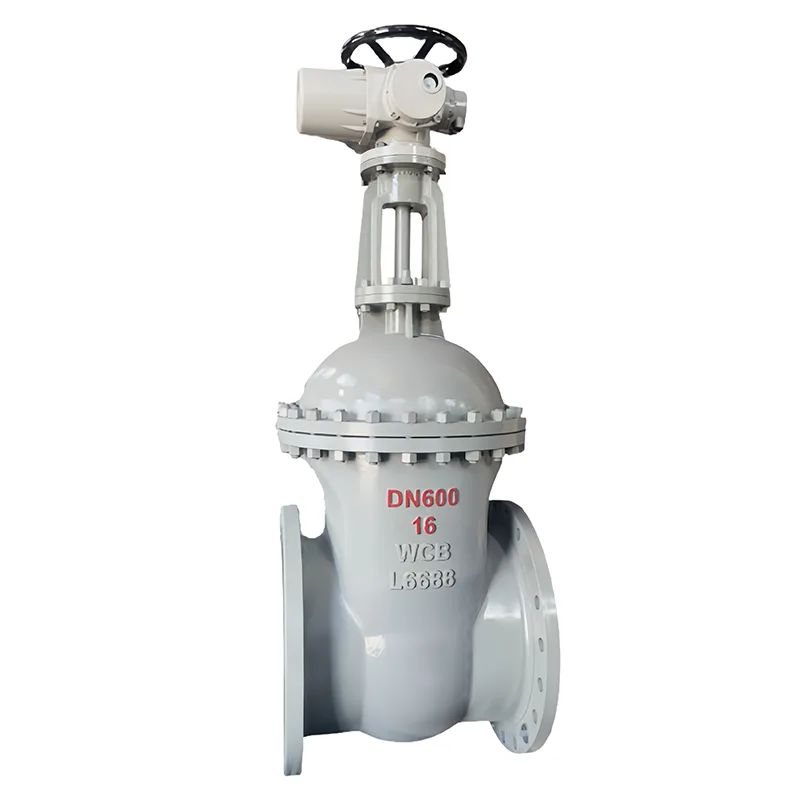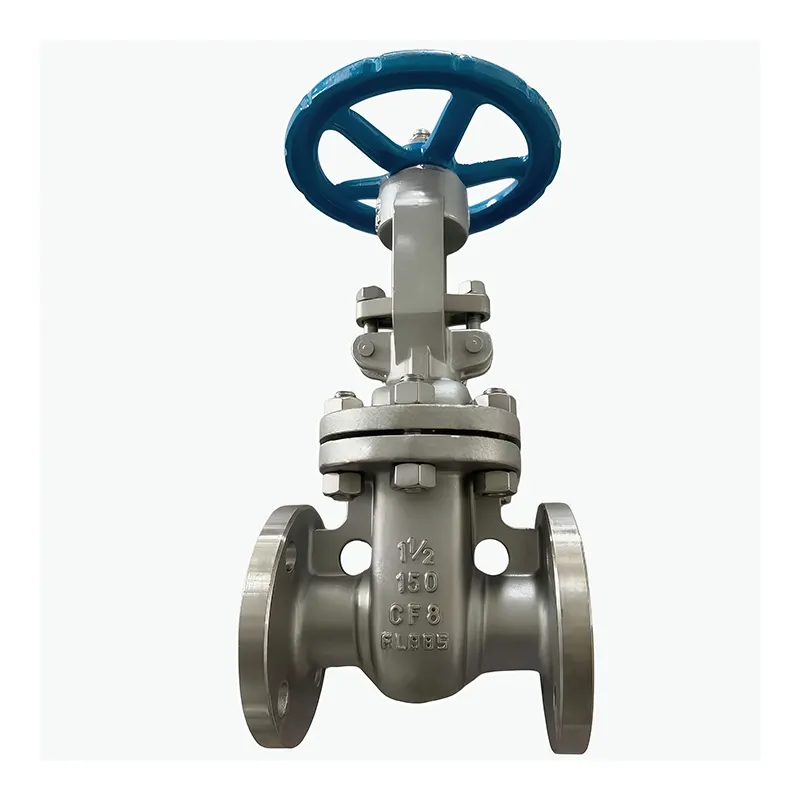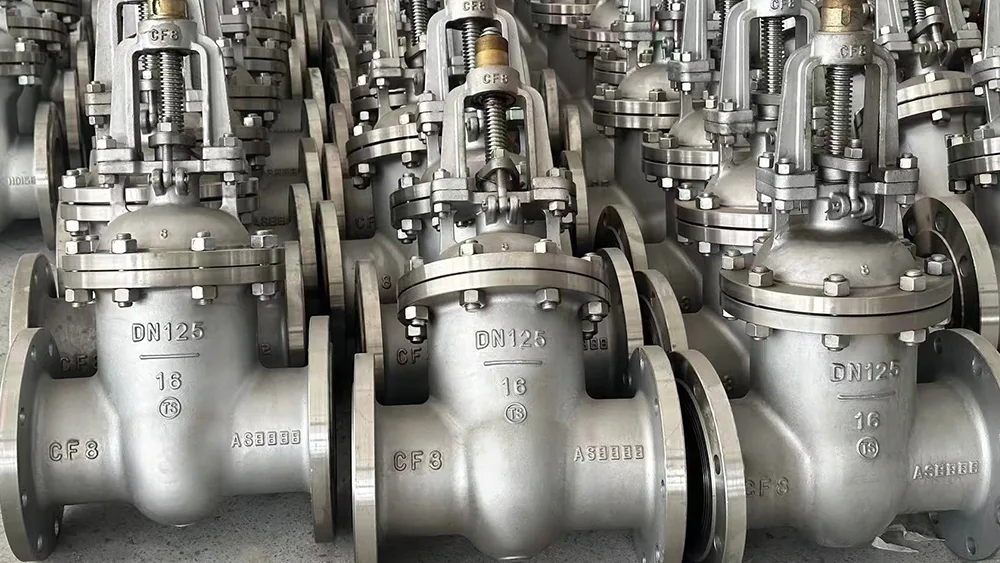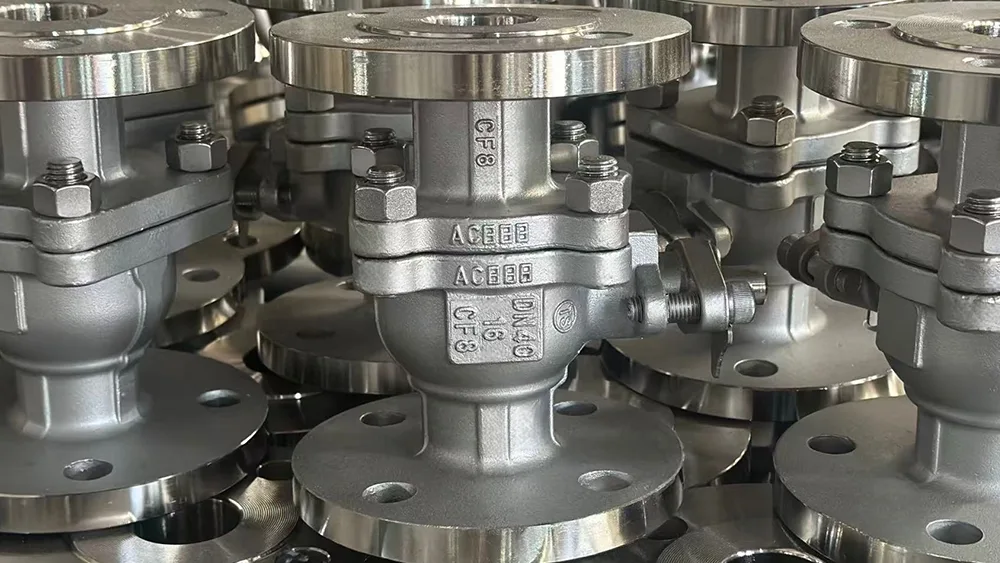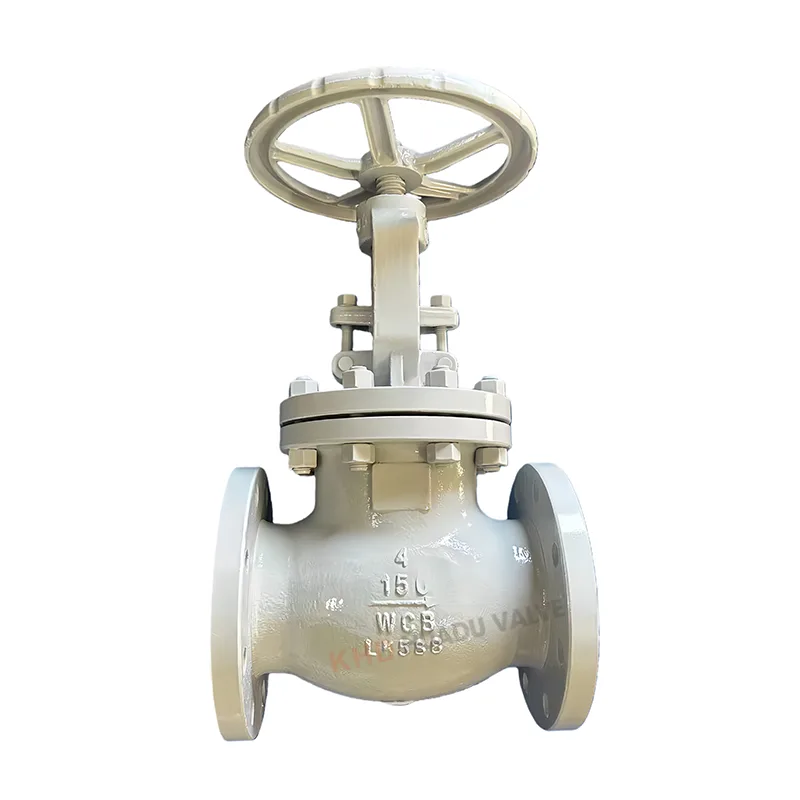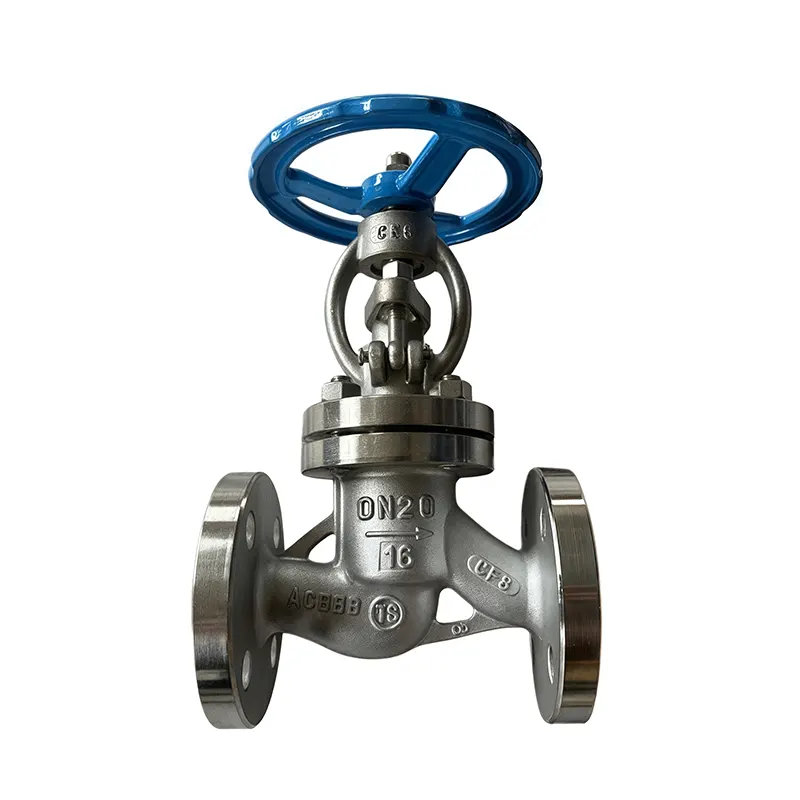
Article Summary: A Hard Seal Globe Valve is designed for industrial piping systems where reliable shut-off, precise flow regulation, high-temperature resistance, and long-term durability are essential. With metal-to-metal sealing and hardfaced sealing surfaces, this valve is particularly suitable for demanding services involving steam, oil, gas, abrasive media, and high-pressure industrial fluids. Huadu provides engineered Hard Seal Globe Valve solutions with multiple body materials, pressure classes, connection options, and actuation methods for diverse industrial applications.
Table of Contents
- What Is a Hard Seal Globe Valve?
- How Does a Hard Seal Globe Valve Work?
- What Are the Key Features?
- What Technical Specifications Should Buyers Consider?
- Hard Seal vs. Soft Seal Globe Valve: What Is the Difference?
- Where Are Hard Seal Globe Valves Used?
- How Should You Select the Right Valve?
- Why Consider Huadu as a Valve Manufacturer?
- Frequently Asked Questions
- Conclusion
What Is a Hard Seal Globe Valve?
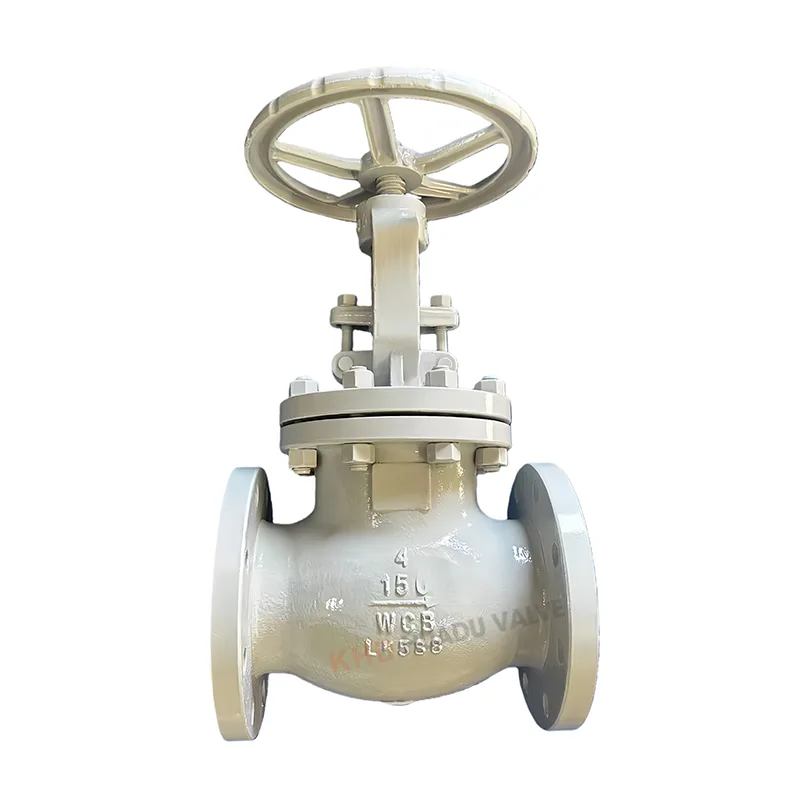
A Hard Seal Globe Valve is an industrial flow-control valve that uses a metal-to-metal sealing structure rather than relying primarily on soft sealing materials. Huadu develops this type of valve for demanding pipeline environments where temperature, pressure, abrasion, and repeated operation can place significant stress on conventional sealing components.
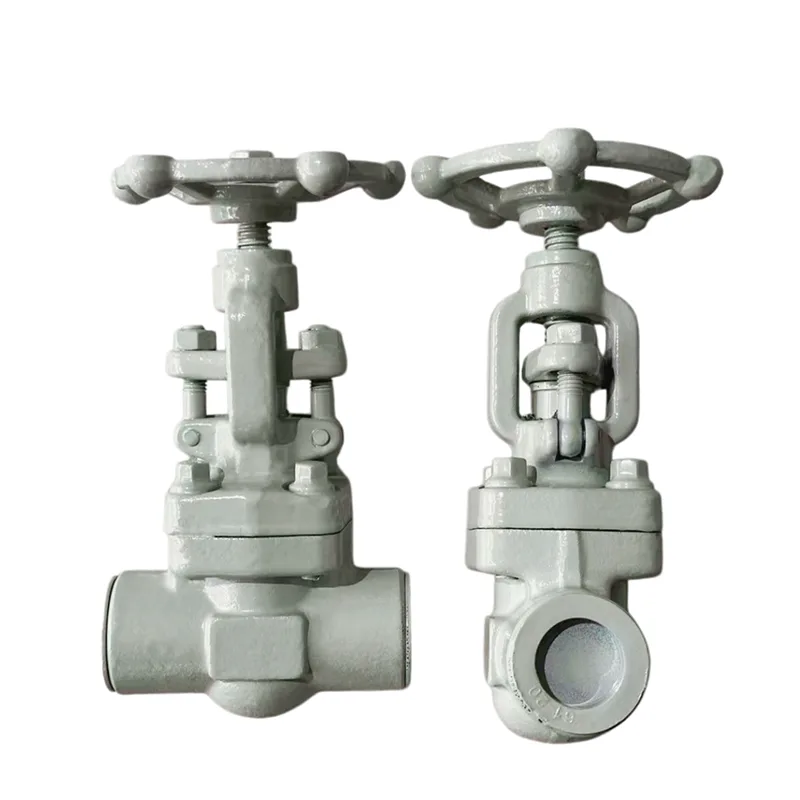
The valve generally uses a globe-style body and a movable disc that travels toward or away from the seat. This movement allows the valve to perform two important functions: shutting off pipeline flow and regulating the flow rate. Compared with a simple isolation valve, the globe configuration provides better control over fluid movement.
For demanding services, the sealing surfaces can be hardfaced with Stellite or other suitable wear-resistant materials. This construction helps reduce degradation caused by friction, erosion, and high-temperature operation.
According to the product specifications, Huadu's Hard Seal Globe Valve can be configured with carbon steel or stainless-steel construction, multiple pressure classes, and several operating methods, making it adaptable to different industrial projects.
How Does a Hard Seal Globe Valve Work?
The operating principle is straightforward but highly effective. When the valve is opened, the disc moves away from the seat, creating a flow passage. When the handwheel, actuator, or operating mechanism moves the stem in the opposite direction, the disc approaches the seat and progressively restricts the flow.
The metal-to-metal contact between the disc and seat creates the primary sealing interface. When properly engineered and manufactured, the hardfaced surfaces can provide strong resistance against wear and erosion during demanding service.
A typical operating sequence includes:
- The operator rotates the handwheel or activates the selected actuator.
- The stem transfers the operating force to the valve disc.
- The disc moves relative to the seat to control the flow passage.
- As the disc reaches the seat, the metal sealing surfaces establish shut-off.
- When reopened, the disc moves away from the seat to restore pipeline flow.
This controllable linear movement is one reason globe valves are frequently selected when both isolation and throttling capability are required.
What Are the Key Features?
A high-quality Hard Seal Globe Valve should be selected according to the actual operating conditions rather than simply its nominal size. Several design characteristics directly affect reliability and service life.
1. Metal-to-Metal Hard Sealing
The hard sealing structure is designed for demanding operating environments. Hardfaced sealing surfaces can provide better resistance to wear, erosion, and temperature-related degradation than many conventional soft sealing materials.
2. High-Temperature Capability
Huadu lists a temperature range of approximately -29°C to 425°C for the referenced configuration. This makes the valve suitable for many industrial services involving hot water, steam, process fluids, and other elevated-temperature media.
3. Multiple Pressure Classes
The product is available across pressure classes including Class 150, 300, 600, 900, and 1500. This gives project engineers more flexibility when matching the valve to pipeline pressure requirements.
4. Flexible Actuation
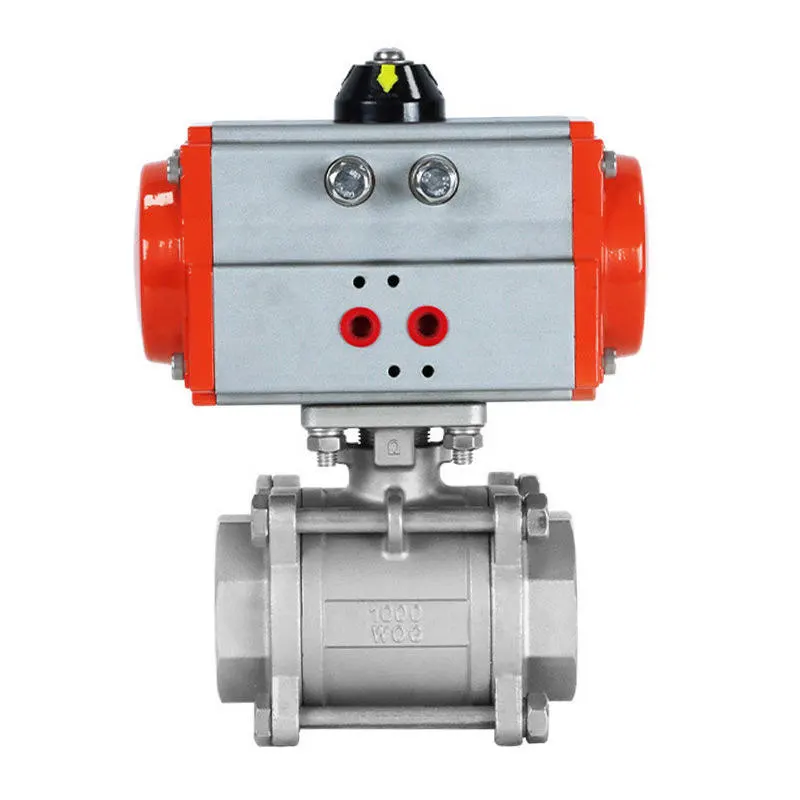
Depending on the project, operation can be configured through a handwheel, gear mechanism, electric actuator, pneumatic actuator, or hydraulic actuator.
5. Corrosion-Resistant Material Options
Stainless-steel configurations are suitable for applications where corrosion resistance is important. Carbon-steel versions can provide an economical solution for compatible industrial media.
What Technical Specifications Should Buyers Consider?
For industrial procurement, technical specifications should be reviewed together rather than evaluated individually. The following table summarizes key parameters associated with the referenced Huadu configuration.
| Parameter | Specification |
|---|---|
| Product Type | Hard Seal Globe Valve |
| Design Standard | API 6D / ASME B16.34 |
| Nominal Size | 1/2" to 48" |
| Pressure Class | Class 150 / 300 / 600 / 900 / 1500 |
| Body Material | A351 CF8M and other material options according to configuration |
| Seat Material | Stellite Hardfaced / PTFE / RPTFE / Graphite |
| Stem Material | A182 F316 / A182 F316L / 13Cr |
| End Connections | Flanged / Threaded / Welded (BW/SW) |
| Temperature Range | -29°C to 425°C |
| Operation | Handwheel / Gear / Electric / Pneumatic / Hydraulic |
| Testing | API 598 / Hydrostatic Shell & Seat Test |
Note: Actual specifications should always be confirmed against the project datasheet, applicable standards, medium characteristics, pressure-temperature rating, and manufacturer's technical documentation before purchase.
Hard Seal vs. Soft Seal Globe Valve: What Is the Difference?
The sealing method is one of the most important factors when selecting a globe valve. Hard seal and soft seal designs are intended for different operating environments.
| Comparison | Hard Seal Globe Valve | Soft Seal Globe Valve |
|---|---|---|
| Sealing Principle | Metal-to-metal sealing | Soft sealing material |
| Temperature Resistance | Excellent for demanding high-temperature service | Depends strongly on sealing material |
| Wear Resistance | High with appropriate hardfacing | Generally more sensitive to mechanical wear |
| Abrasive Media | More suitable for demanding services | May have limitations |
| Typical Applications | Steam, power, petrochemical, metallurgy | Clean and relatively moderate services |
In practical terms, soft sealing may be advantageous where operating conditions are moderate and exceptionally tight sealing is required. Hard sealing becomes more attractive when the pipeline involves high temperature, high pressure, abrasive particles, or repeated industrial operation.
Where Are Hard Seal Globe Valves Used?
The ability to withstand demanding conditions makes Hard Seal Globe Valve technology suitable for a broad range of industrial systems.
- Petrochemical Plants: Used for controlling process fluids, hydrocarbons, and high-temperature media.
- Power Generation: Suitable for steam and other high-temperature process lines.
- Metallurgy: Useful where elevated temperature and abrasive operating conditions create additional valve wear.
- Oil and Gas: Applicable to industrial fluid isolation and flow-control systems when the selected pressure and material ratings are appropriate.
- Water Treatment: Can be integrated into industrial water and process-fluid pipelines.
- General Industrial Processing: Suitable for water, oil, gas, steam, and compatible industrial fluids.
The correct valve should always be matched to the actual medium, temperature, pressure, flow rate, corrosion characteristics, and installation requirements.
How Should You Select the Right Valve?
Choosing an industrial valve only by pipe diameter can result in performance problems. Procurement teams and engineers should evaluate the entire operating environment.
Consider the Following Factors:
- Medium: Identify whether the pipeline carries water, steam, oil, gas, chemicals, or abrasive fluids.
- Operating Temperature: Confirm both normal and maximum temperatures.
- Working Pressure: Select a pressure class that meets the actual design requirements.
- Nominal Size: Match the valve size with the pipeline and required flow characteristics.
- Body Material: Consider corrosion, temperature, pressure, and mechanical requirements.
- Seat and Disc Material: Select hardfacing or other sealing materials according to service conditions.
- End Connection: Verify flange, threaded, butt-weld, or socket-weld requirements.
- Actuation: Determine whether manual or automated operation is required.
- Testing and Standards: Confirm applicable design and inspection requirements before ordering.
A qualified valve manufacturer can help engineers evaluate these variables and select an appropriate configuration instead of treating the valve as a standard off-the-shelf component.
Why Consider Huadu as a Valve Manufacturer?
For industrial buyers, supplier capability is as important as product specifications. Huadu Valve Group integrates valve design, casting, CNC machining, assembly, testing, and supply services for industrial valve applications.
According to its published company information, Huadu has more than 11 years of production experience, a manufacturing facility covering approximately 25,333 square meters, an annual production capacity exceeding 30,000 units, and a reported finished-product qualified rate of 99.8%.
Its manufacturing capabilities include:
- CNC precision machining
- Valve casting and assembly
- Hydrostatic and pneumatic testing
- High-temperature and low-temperature valve production
- Customized valve solutions
- OEM and ODM manufacturing
Huadu also states that its valve products are supplied to international markets and used across petroleum, oil refining, natural gas, chemical processing, power generation, water treatment, metallurgy, mining, and other industrial sectors.
For buyers looking for a Hard Seal Globe Valve, evaluating manufacturing capability, material traceability, pressure testing, applicable standards, and technical support can help reduce procurement risks and improve long-term operating reliability.
Frequently Asked Questions
What is the main advantage of a Hard Seal Globe Valve?
The main advantage is its metal-to-metal sealing structure, which can provide strong resistance to high temperature, pressure, wear, and erosion when the valve is correctly designed for the application.
Can a Hard Seal Globe Valve be used for steam?
Yes. Properly specified hard-sealed globe valves are commonly suitable for industrial steam applications because their metal sealing surfaces can withstand demanding temperature conditions. The pressure-temperature rating must be verified for each specific configuration.
What materials are available for Hard Seal Globe Valves?
Material options depend on the model and application. Huadu lists carbon steel and stainless-steel solutions, with components such as A182 F316, A182 F316L, 13Cr, and CF8M available in the referenced configuration.
What pressure classes are available?
The referenced Huadu product is offered in Class 150, 300, 600, 900, and 1500 configurations. Buyers should select the pressure class according to the pipeline design pressure and applicable standards.
Can the valve be automated?
Yes. In addition to handwheel operation, available operating methods include gear operation, electric actuation, pneumatic actuation, and hydraulic actuation, depending on the required configuration.
What standards are associated with this valve?
The referenced product specifications include API 6D and ASME B16.34 for design, ASME B16.10 for face-to-face dimensions, ASME B16.5 and ASME B16.47 for flange standards, and API 598 for testing.
Conclusion
A Hard Seal Globe Valve can be an effective solution for industrial flow control where conventional soft sealing materials may not provide the required durability. Its metal-to-metal sealing structure, hardfaced surfaces, broad pressure-class options, and compatibility with demanding media make it particularly valuable in power generation, petrochemical, metallurgy, oil and gas, water treatment, and general industrial applications.
For procurement teams, the best choice depends on more than valve size. Medium, temperature, pressure, material compatibility, sealing configuration, connection type, actuation, standards, and testing requirements should all be evaluated before purchasing. If you are sourcing a reliable industrial valve solution or need assistance selecting the appropriate Hard Seal Globe Valve for your pipeline project, contact us to discuss your technical requirements, customization options, and application conditions with the Huadu team.