English
- English
- Esperanto
- Afrikaans
- Català
- שפה עברית
- Cymraeg
- Galego
- Latviešu
- icelandic
- ייִדיש
- беларускі
- Hrvatski
- Kreyòl ayisyen
- Shqiptar
- Malti
- lugha ya Kiswahili
- አማርኛ
- Bosanski
- Frysk
- ភាសាខ្មែរ
- ქართული
- ગુજરાતી
- Hausa
- Кыргыз тили
- ಕನ್ನಡ
- Corsa
- Kurdî
- മലയാളം
- Maori
- Монгол хэл
- Hmong
- IsiXhosa
- Zulu
- Yoruba
- অসমীয়া
- ଓଡିଆ
- Punjabi
- پښتو
- Chichewa
- Samoa
- Sesotho
- සිංහල
- Gàidhlig
- Cebuano
- Somali
- Тоҷикӣ
- O'zbek
- Hawaiian
- سنڌي
- Shinra
- Հայերեն
- Igbo
- Sundanese
- Lëtzebuergesch
- Malagasy
- Español
- Português
- русский
- Français
- 日本語
- Deutsch
- tiếng Việt
- Italiano
- Nederlands
- ภาษาไทย
- Polski
- 한국어
- Svenska
- magyar
- Malay
- বাংলা ভাষার
- Dansk
- Suomi
- हिन्दी
- Pilipino
- Türkçe
- Gaeilge
- العربية
- Indonesia
- Norsk
- تمل
- český
- ελληνικά
- український
- Javanese
- فارسی
- தமிழ்
- తెలుగు
- नेपाली
- Burmese
- български
- ລາວ
- Latine
- Қазақша
- Euskal
- Azərbaycan
- Slovenský jazyk
- Македонски
- Lietuvos
- Eesti Keel
- Română
- Slovenski
- मराठी
- Srpski језик

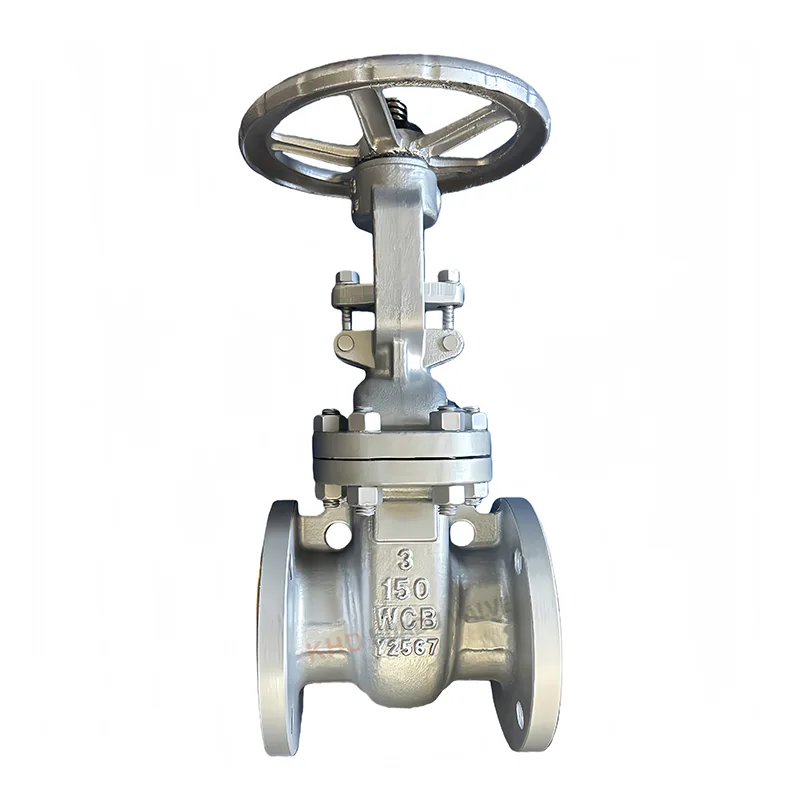
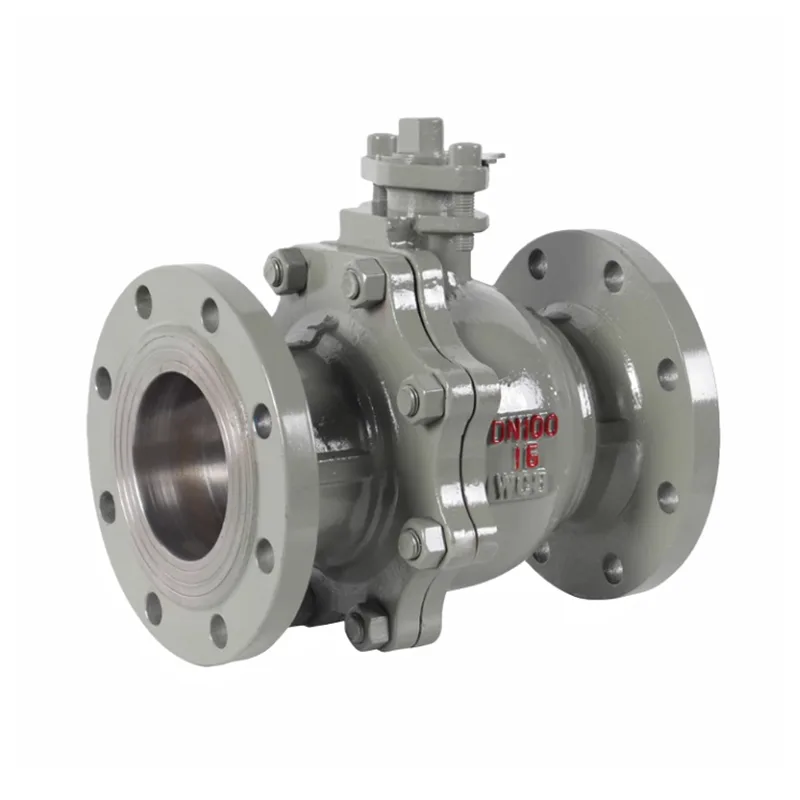
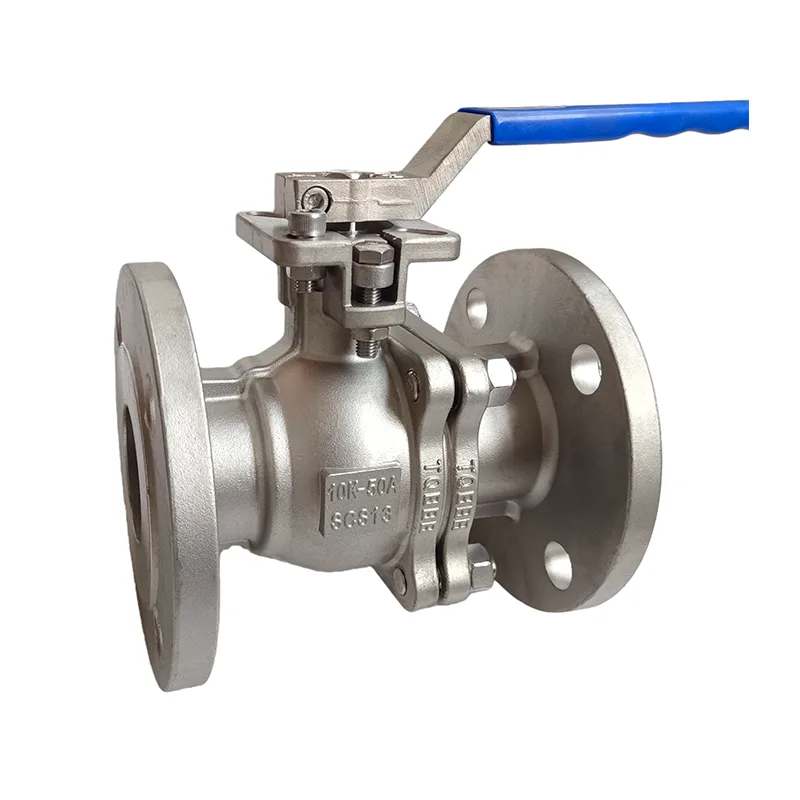
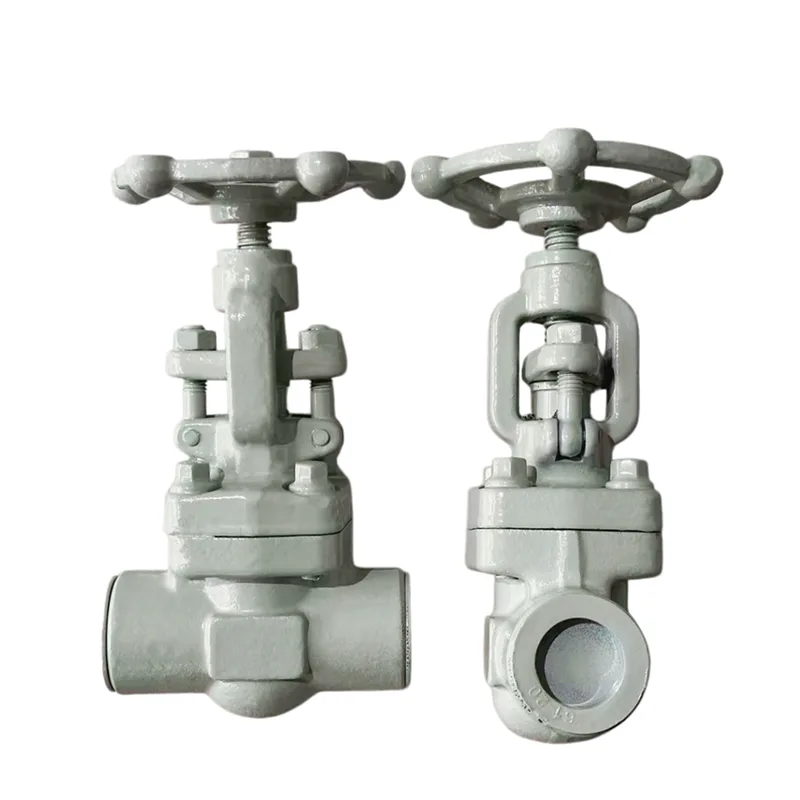
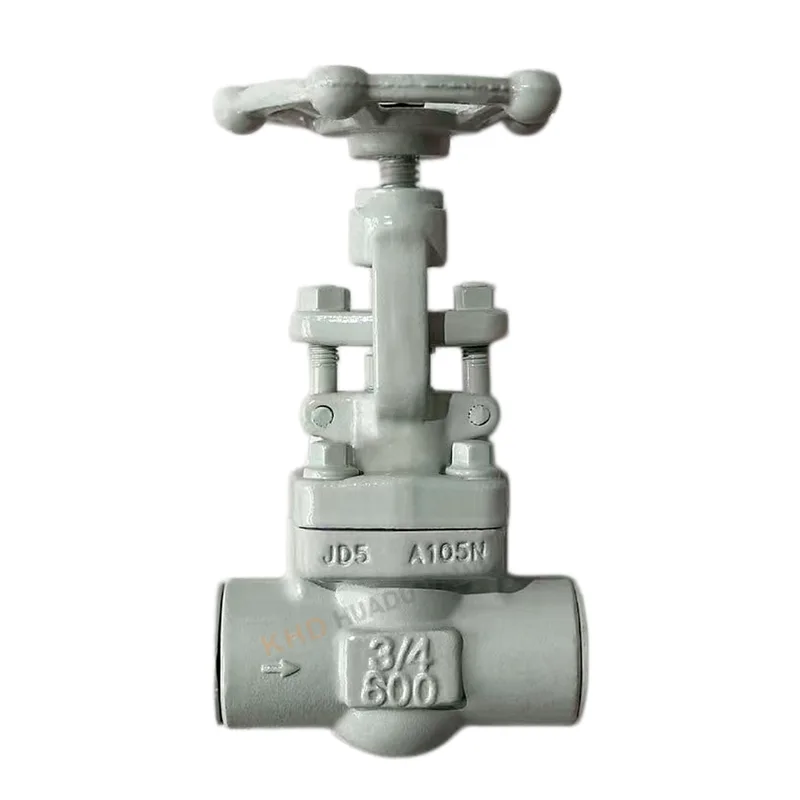
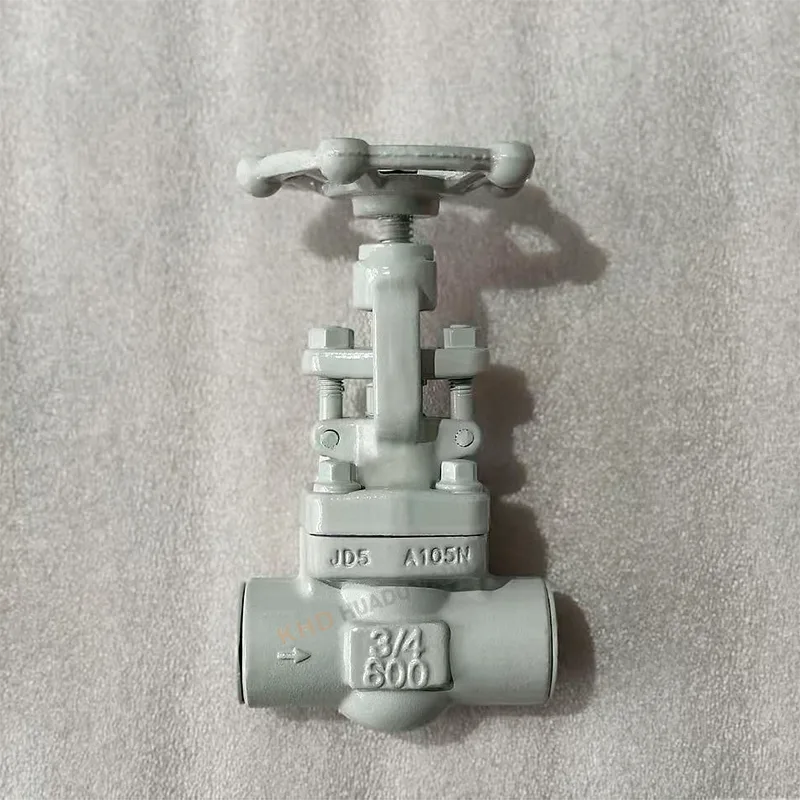
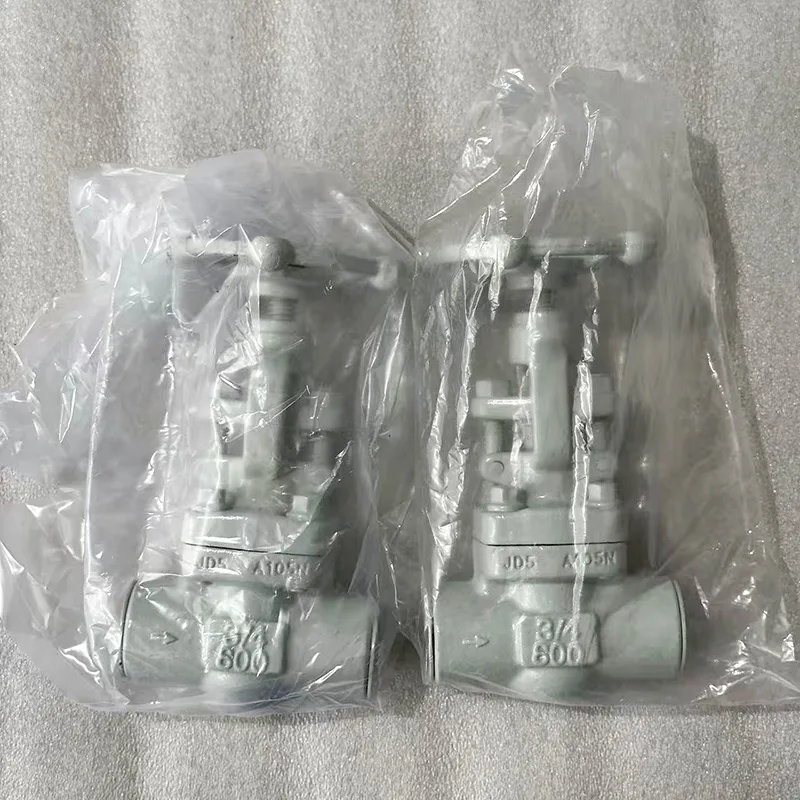
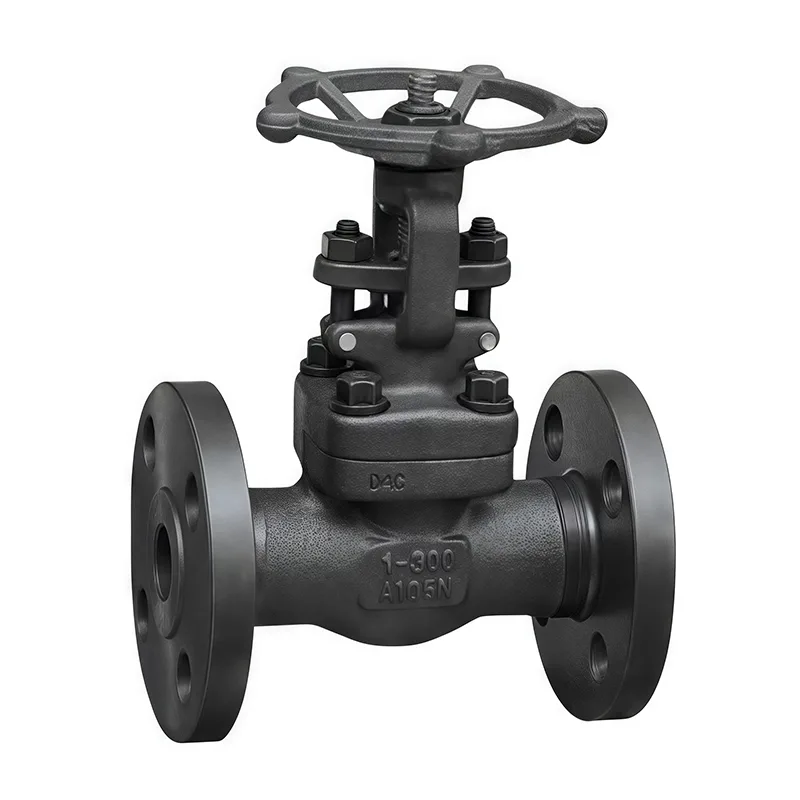
Socket-welded Forged Gate Valve
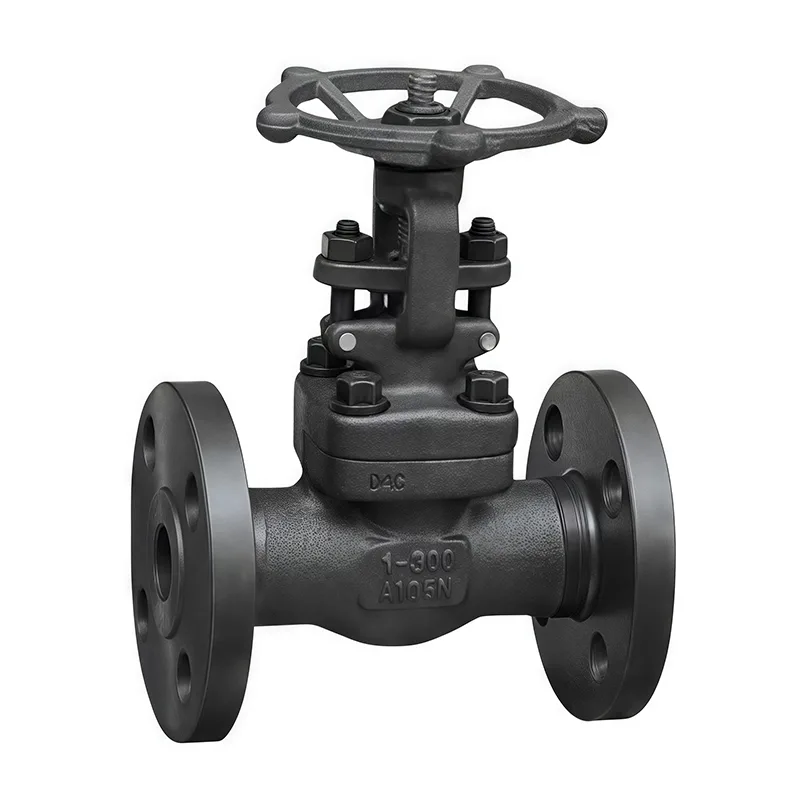
As a Chinese supplier deeply rooted in the industrial valve field, Huadu Valves has launched this socket-welded forged gate valve, which is made of A105N forged carbon steel as the core material and is suitable for Class 600 high-pressure working conditions. With its stable flow control and sealing performance, it has become the preferred component for high-pressure pipeline systems in the petroleum, chemical and other industries. Relying on the mature production system of our own factory, we provide globally high-matching and highly reliable industrial valve products to customers.
The socket-welded forged gate valve is a high-pressure industrial valve designed for pipeline shut-off and flow control. Manufactured by Huadu Valve Group, it uses A105N forged carbon steel and is suitable for Class 600 working conditions.It is widely used in petroleum, chemical, power, and high-pressure steam systems where safety and sealing performance are critical.The socket-welded forged gate valve ensures stable operation and long service life in demanding industrial environments.
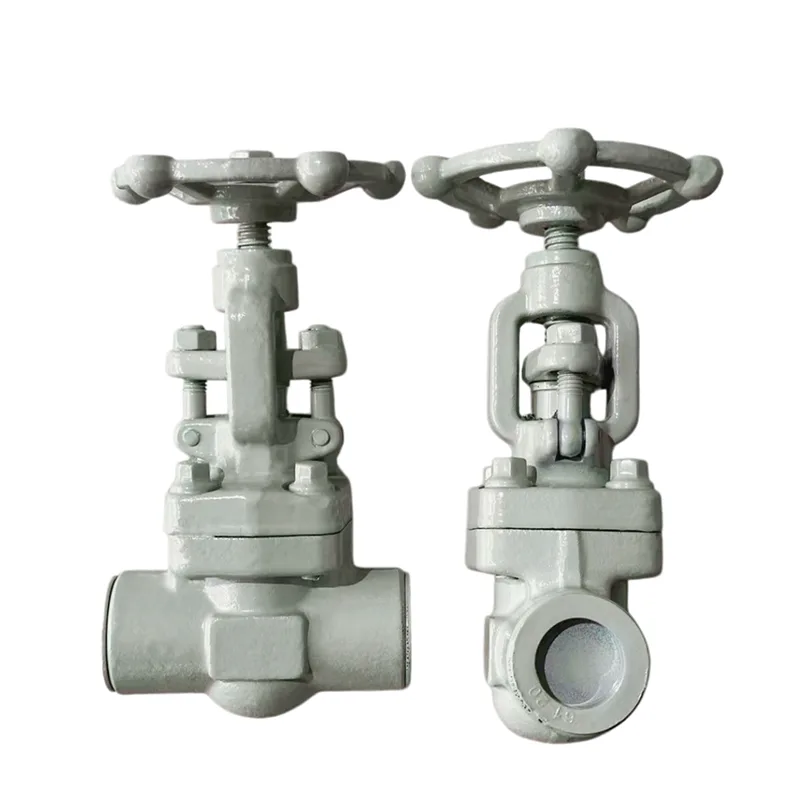
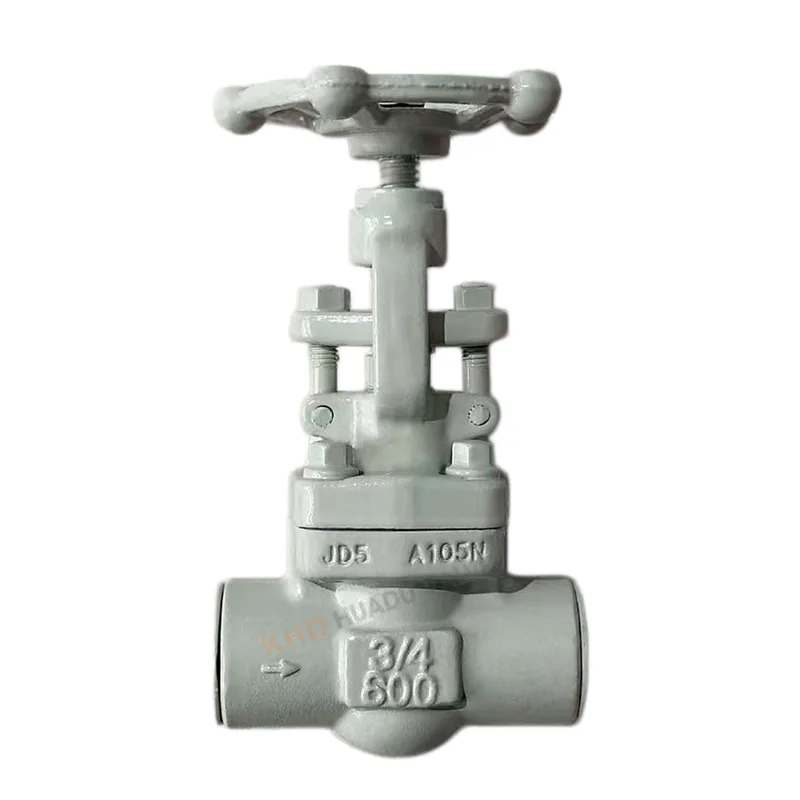
Raw Material & Structural Advantages
High-Quality Forged Steel Body
The socket-welded forged gate valve is made from A105N forged carbon steel, ensuring:
High strength and density
Excellent impact resistance
No casting defects such as pores or sand holes
Strict Material Inspection
Each batch of raw materials is tested using spectral analysis to ensure:
Accurate chemical composition
No recycled or substandard materials
Stable mechanical performance
Socket-Weld Connection Benefits
The socket-welded forged gate valve connection type provides:
Strong sealing performance
Better high-pressure resistance than flanges
Reduced leakage risk in critical system
Technical Specifications
Standard Parameters
Size: DN15–DN50 (regular stock)
Pressure Rating: Class 300 / Class 600
Material: A105N forged carbon steel
Type: Socket-welded forged gate valve
Temperature Range: -29°C to 570°C
Manufacturing Process
The socket-welded forged gate valve is produced through:
Integral die forging
Heat treatment (normalizing process)
CNC precision machining
Performance Features
Micron-level sealing surface accuracy
Zero-leakage sealing performance
Smooth operation without jamming
Suitable for high-temperature steam systems
Application Areas
Oil & Gas Industry
The socket-welded forged gate valve is widely used in:
Refinery pipelines
Oil transmission systems
Natural gas facilities
Chemical Industry
High-pressure chemical pipelines
Corrosive fluid control systems
Reactor inlet/outlet systems
Power Industry
Steam pipelines
Thermal power systems
Condensate pipelines
General Industrial Use
High-pressure small-diameter pipelines
Equipment isolation systems
Safety shut-off applications
Key attributes
|
media |
Water,Oil,Media without impurities,etc. |
temperature of media |
-29℃~425℃ |
|
power |
Manual |
port size |
custom size |
|
application |
Petrochemical,pharmaceutical |
structure |
Unrising Steam |
|
warranty |
1 years |
customized support |
OBM,ODM,OEM |
|
Maximum Number Of Padlocks |
1 |
model number |
Z61H-800LB DN15 PN64 |
|
place of origin |
Zhejiang,China |
brand name |
KHD |
|
Product name |
Forged steel gate valve |
Connection |
Butt Weld Gate Valve |
|
Medium |
Water Oil Gas |
Packing |
Carton Box |
|
Body |
socket-welded |
Working Temperature |
-29℃~425℃ |
|
Color |
Customized Color |
Valve type |
Gate Valve |
|
Manufacturer’s standard |
GB,DIN,API,ANSI,JIS,BS etc. |
Nominal Diameter |
10mm~4000mm-1/2”~160 |
FAQ
What is a socket-weld connection?
A socket-weld connection is a pipe joining method where the pipe is inserted into a recessed socket and then welded around the outside. It is commonly used in high-pressure, small-diameter systems.
In the case of a socket-welded forged gate valve, the pipe is inserted into the valve end socket and welded to form a strong, leak-resistant joint.
Key features of socket-weld connection
High strength and pressure resistance
Excellent sealing performance
Suitable for DN15–DN50 small pipelines
Reduced risk of leakage compared to threaded joints
Common in oil, gas, and steam systems
Should socket-weld valves be disassembled before welding?
Yes, absolutely. Before installing a socket-welded forged gate valve, the valve should NOT be partially assembled during welding.
Proper installation practice:
Remove internal components if possible (or ensure valve is fully open)
Insert pipe fully into the socket
Maintain a small expansion gap (~1.5–2 mm)
Perform welding only on the external joint
Allow cooling before operating the valve
Important notes:
Avoid overheating the valve body
Prevent welding slag from entering the valve cavity
Ensure correct alignment before welding
Improper welding can damage sealing surfaces and reduce valve life.
What is the difference between OS&Y and bolted bonnet?
These are two different structural designs used in gate valves.
OS&Y (Outside Screw & Yoke)
Stem thread is outside the valve body
Visible stem movement indicates open/close status
Easier maintenance and operation monitoring
Common in fire protection and industrial systems
Bolted Bonnet
Bonnet is connected to valve body using bolts
Internal stem design (not externally visible)
Compact structure
Widely used in general industrial applications
Simple comparison:
OS&Y = external visibility + easy operation monitoring
Bolted bonnet = compact + cost-effective structure
Both types can be applied in a socket-welded forged gate valve depending on project requirements.
Hot Tags:
Related Category
Send Inquiry
Contact Info
-
Address
No. 1015, Jinhai Avenue, Longwan District, Wenzhou City, Zhejiang Province, P.R.China
-
Tel
-
Email
For inquiries about ball valve, gate valve, globe valve or price list, please leave your email to us and we will be in touch within 24 hours.
Related Products
News Recommendations