English
- English
- Esperanto
- Afrikaans
- Català
- שפה עברית
- Cymraeg
- Galego
- Latviešu
- icelandic
- ייִדיש
- беларускі
- Hrvatski
- Kreyòl ayisyen
- Shqiptar
- Malti
- lugha ya Kiswahili
- አማርኛ
- Bosanski
- Frysk
- ភាសាខ្មែរ
- ქართული
- ગુજરાતી
- Hausa
- Кыргыз тили
- ಕನ್ನಡ
- Corsa
- Kurdî
- മലയാളം
- Maori
- Монгол хэл
- Hmong
- IsiXhosa
- Zulu
- Yoruba
- অসমীয়া
- ଓଡିଆ
- Punjabi
- پښتو
- Chichewa
- Samoa
- Sesotho
- සිංහල
- Gàidhlig
- Cebuano
- Somali
- Тоҷикӣ
- O'zbek
- Hawaiian
- سنڌي
- Shinra
- Հայերեն
- Igbo
- Sundanese
- Lëtzebuergesch
- Malagasy
- Español
- Português
- русский
- Français
- 日本語
- Deutsch
- tiếng Việt
- Italiano
- Nederlands
- ภาษาไทย
- Polski
- 한국어
- Svenska
- magyar
- Malay
- বাংলা ভাষার
- Dansk
- Suomi
- हिन्दी
- Pilipino
- Türkçe
- Gaeilge
- العربية
- Indonesia
- Norsk
- تمل
- český
- ελληνικά
- український
- Javanese
- فارسی
- தமிழ்
- తెలుగు
- नेपाली
- Burmese
- български
- ລາວ
- Latine
- Қазақша
- Euskal
- Azərbaycan
- Slovenský jazyk
- Македонски
- Lietuvos
- Eesti Keel
- Română
- Slovenski
- मराठी
- Srpski језик

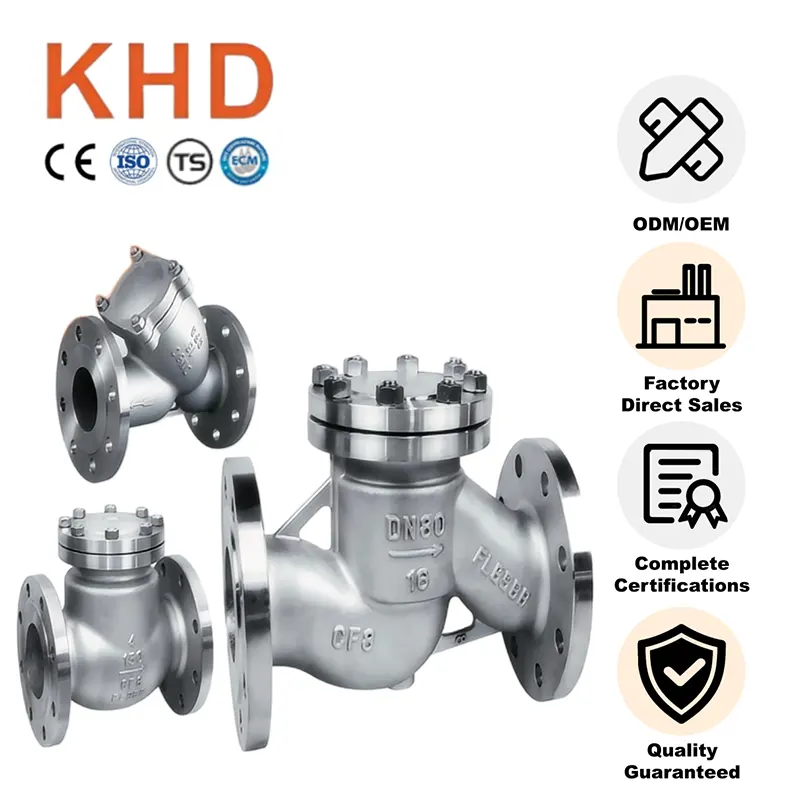
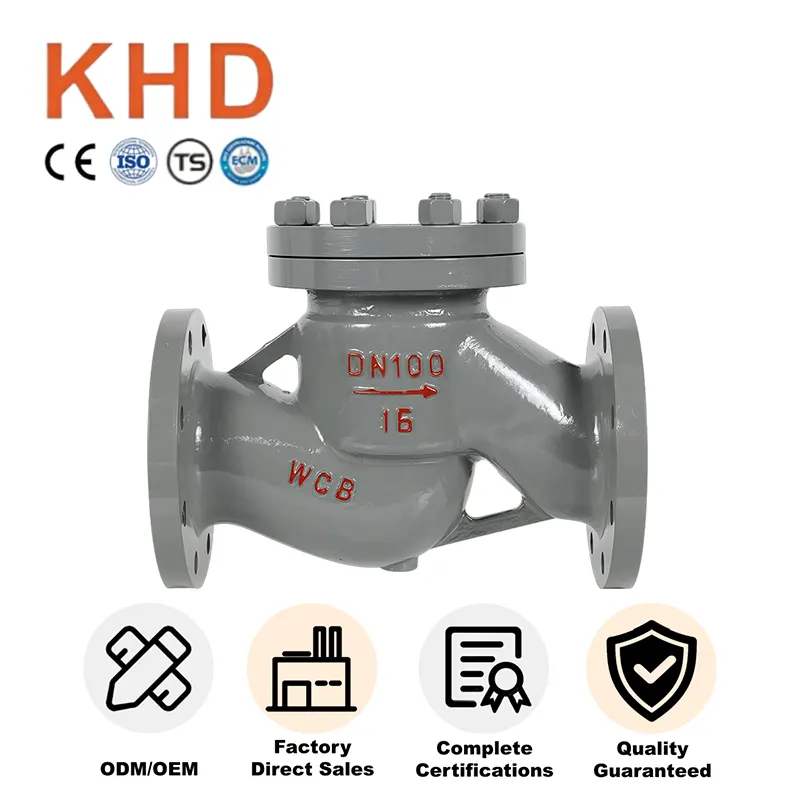
Non-Return Valve for Oil, Gas and Chemical Pipelines
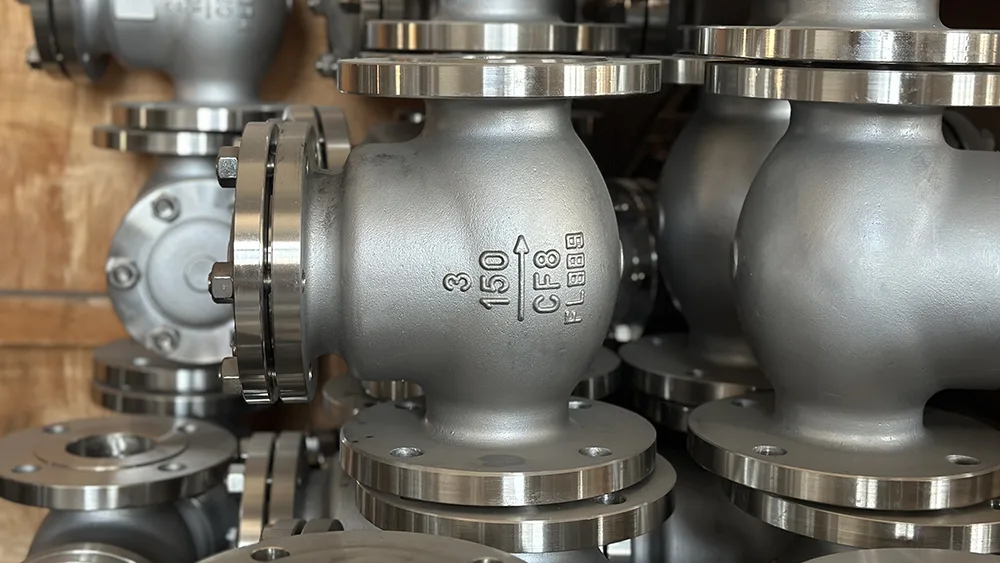
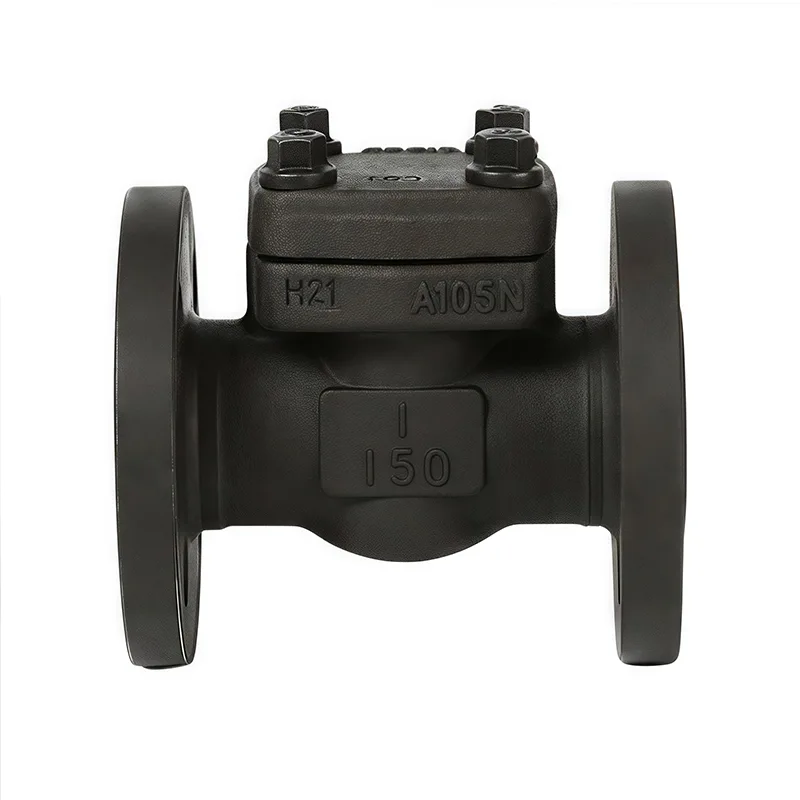
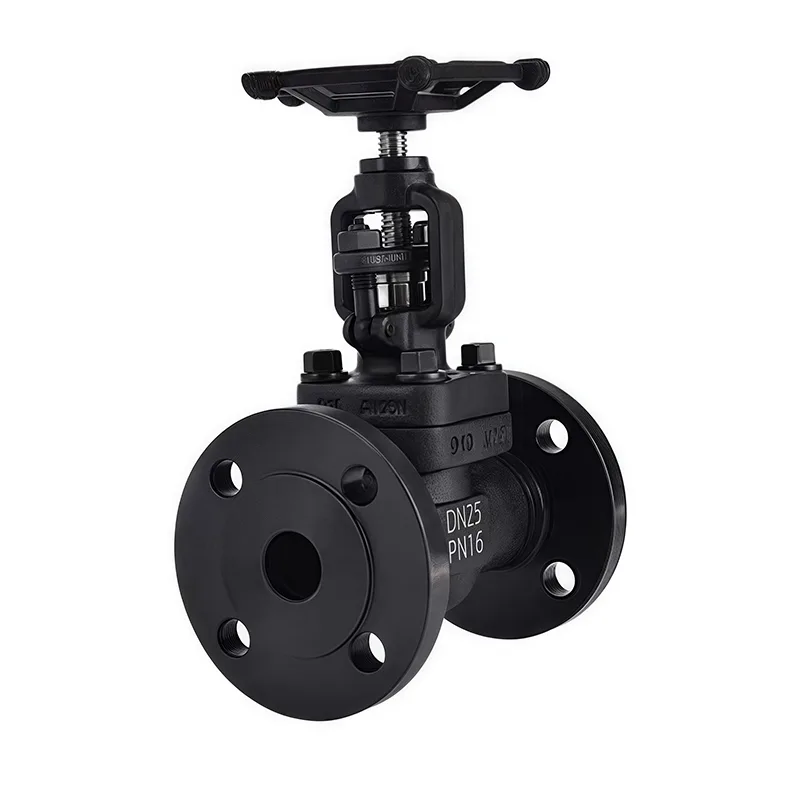
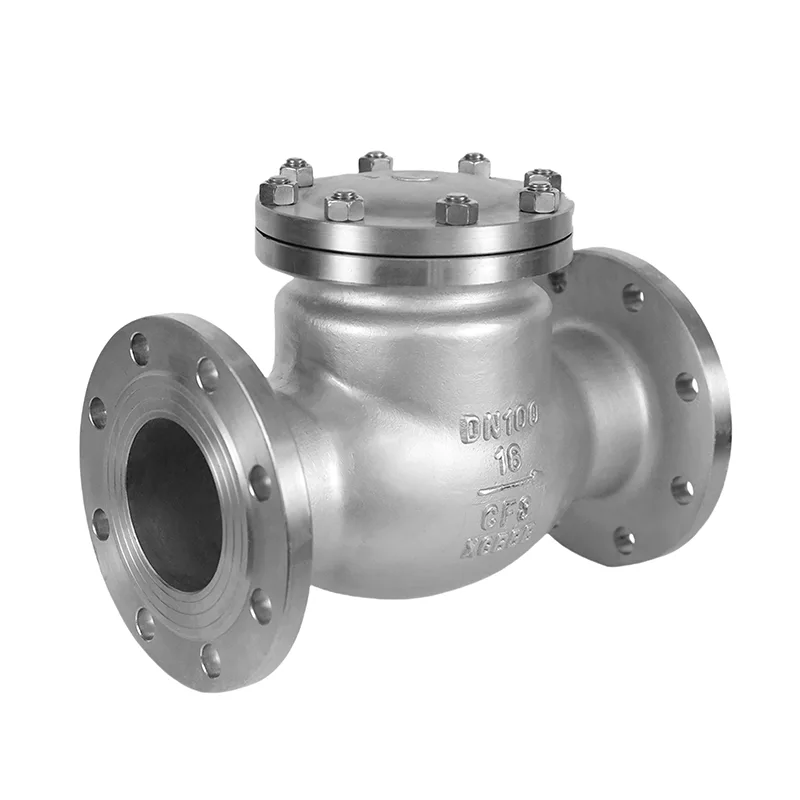
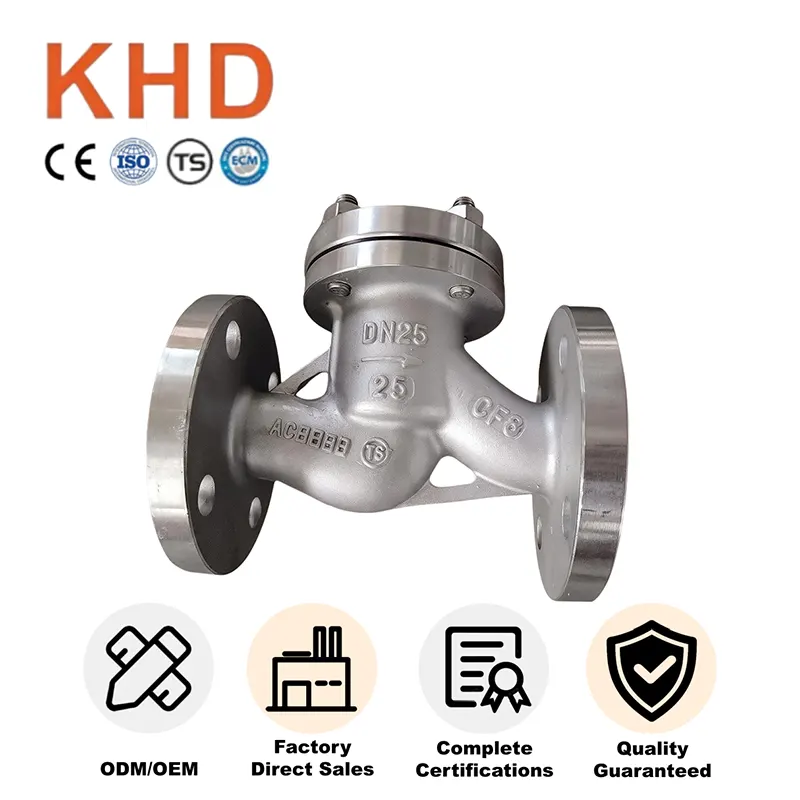
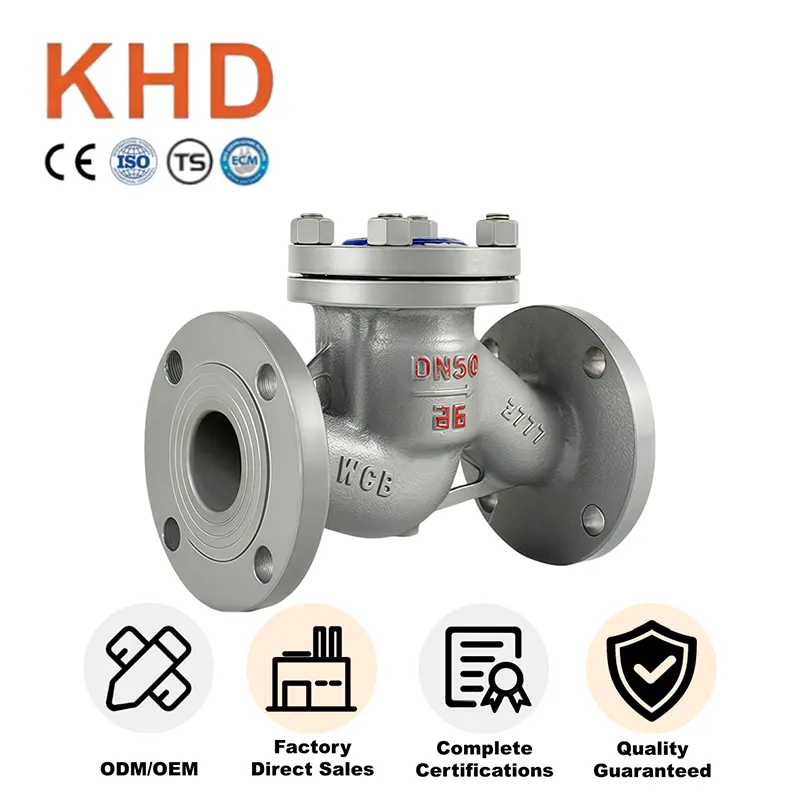
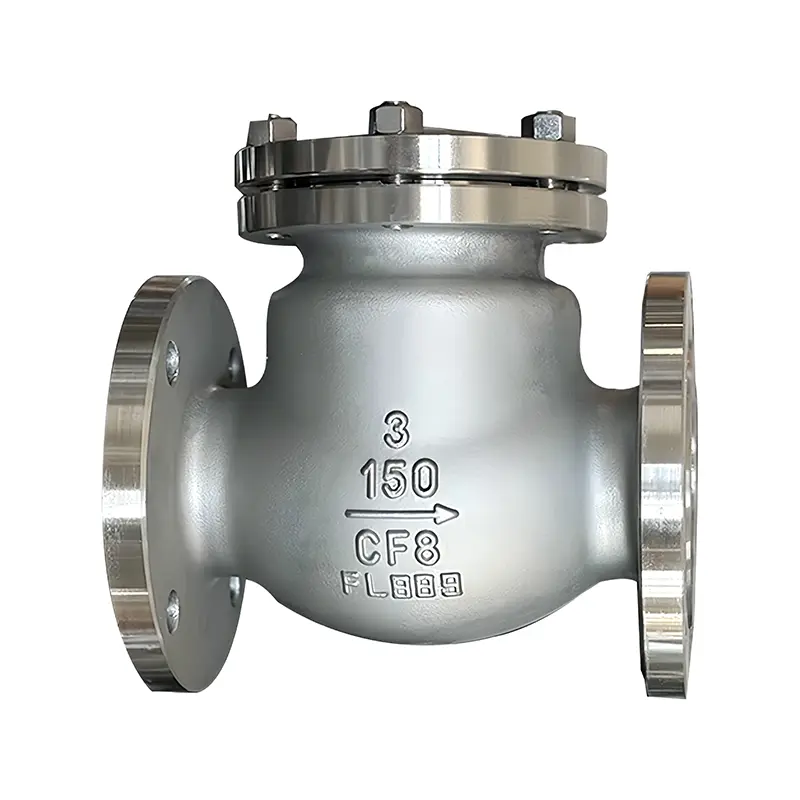
Huadu Valve Group operates out of Wenzhou, China. We supply heavy-duty industrial valves with consistent quality to industrial buyers globally. Our Carbon Steel Lift Check Valve opens with forward flow and drops shut the moment the flow stops, so backflow never gets a chance to hammer your pump or drain your pipeline.
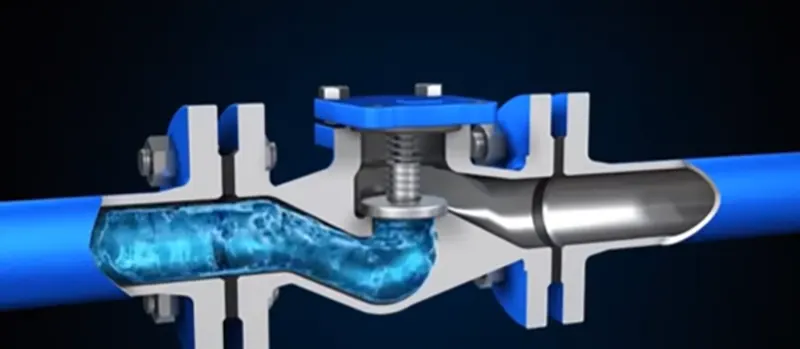
The disc lifts straight off the seat when pressure comes in, then settles back down on its own once the line goes idle. There are no springs or hinge pins to fatigue and no packing to leak, which is why it holds tight on steam, boiler feed and other services where ordinary check valves tend to chatter or drip over time.
It comes fitted with flanged ends that bolt directly onto the line. For engineers running water, steam or air systems who just want a check valve they can fit and forget, this is a straightforward pick.
What a lift check valve does
It stops backflow. When a pump shuts down, a line depressurizes, or a valve closes ahead of you, fluid pushes backward and can spin a pump in reverse, hammer a meter, or dump process fluid where it does not belong. The lift check valve stops all of that before it starts: forward flow lifts the disc off the seat, and the moment flow drops, the disc falls back by gravity and seals the line.
Key Attributes
| Product Type | Lift Check Valve | Stem Material | A182 F6A / A276 410 / F304 / F316 / F316L |
| Design Standard | API 6D / ASME B16.34 | Seat Material | Stellite Hardfaced / PTFE / RPTFE / Graphite |
| Face to Face Dimension | ASME B16.10 | Gasket Type | Spiral Wound Gasket / RTJ Gasket / Graphite Gasket |
| Flange Standard | ASME B16.5 / ASME B16.47 | Operation Mode | Automatic (Media pressure driven) |
| Pressure Class | Class 150 / 300 / 600 / 900 / 1500 / 2500 | End Connection | Flanged, Threaded, Welded (BW/SW) |
| Nominal Size (NPS) | 1/2" ~ 48" | Design Type | Lift Piston / Lift Disc, Bolted Bonnet |
| Body Material | Carbon Steel: A216 WCB / A105Stainless Steel: A351 CF8 / CF8M / CF3M | Temperature Range | -29℃ ~ 425℃ |
| Disc / Piston Material | WCB+Stellite / CF8 / CF8M / CF3M | Applicable Medium | Water, Oil, Gas, Steam, General Industrial Fluid, Mild Corrosive Fluid |
| Bonnet Material | Carbon Steel: A216 WCB / A105Stainless Steel: A351 CF8 / CF8M / CF3M | Testing Standard | API 598 / Hydrostatic Shell & Seat Test |
How the lift check design is different
The disc travels straight up and down, riding the flow direction
It closes by gravity, so there is no spring to fatigue and no hinge pin to wear out
Fewer moving parts means less maintenance and less that can fail over years of service
It runs quiet on steam and boiler feed, where spring-loaded checks tend to chatter
Short travel and fast action also cut the risk of water hammer on sudden flow reversal
What it is made of
Body : solid carbon steel, built to take pressure spikes and repeated open/close cycles without cracking
Disc & seat : matched to your service for a clean, tight shut-off; stainless trim available for higher temperature or slightly corrosive media
Every valve is stamped with heat number, material grade, size and pressure class, so you can trace it from the steel mill to your line. MTCs supplied with every order.
Connection and installation
Flanged ends bolt straight onto the line; threaded ends available for a compact, wrench-on option
Mounts well in vertical lines, because the disc travels up and down rather than swinging sideways
Standard faces RF / RTJ; no welding needed — unbolt and lift the valve off at overhaul
Where it earns its keep
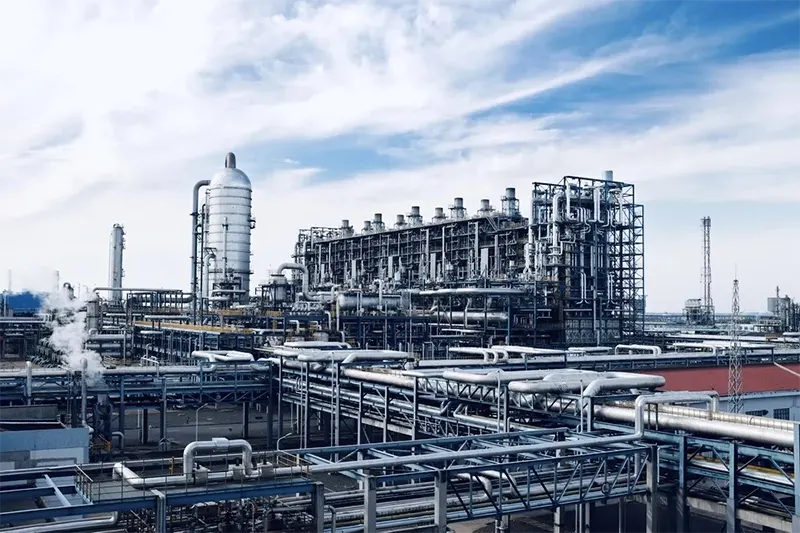
Steam and boiler feed (the classic lift check territory), compressed air systems, water and clean process fluids that must not flow backward, pump discharge lines that need protection from reverse rotation, and general industrial piping on non-abrasive services.

Technical specs at a glance
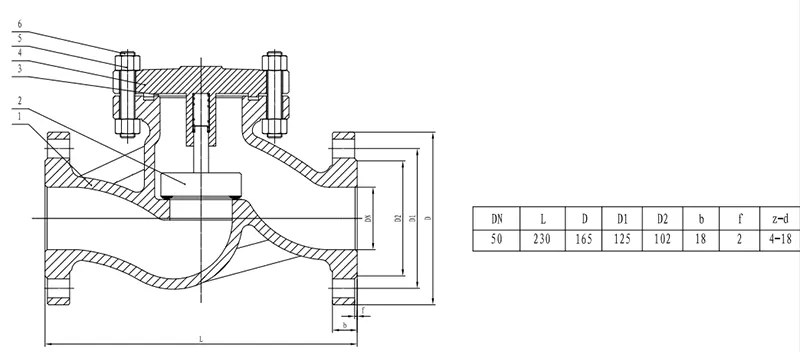
Size range : DN15 – DN400, larger on request
Pressure rating : PN16 / PN25 / PN40, or ASME Class 150 / 300 / 600
Connection : flanged (RF / RTJ) or threaded
Body material : solid carbon steel, A105 / WCB and others
Media : water, steam, compressed air, clean non-abrasive fluids
Standards : API, ASME and matching GB standards
Exact rating is confirmed against your media, pressure and temperature — we do not fit a generic model to your line.
How to pick the material
Steam, water or compressed air tells us whether you need a high-temperature build; whether it is corrosive decides if we swap the trim to stainless; pressure and temperature decide the body and seat grade. Send us your media, pH and working temperature range, and engineering will put together the most cost-effective trim for you.
Quality, warranty and delivery
Every valve passes shell hydrostatic and seat leakage tests before it ships, and third-party witness inspection is supported. MTCs, test reports, dimension drawings and the operation manual come with the order. Flange and thread ends are protected for transit, and standard carbon steel sizes are stocked so flanged and threaded versions ship fast.
What sets us apart
Most suppliers send a shell hydrostatic certificate and call it a day. We share the seat leakage test report too, because that is the number that actually tells you whether a check valve will hold. And for steam or boiler feed, we recommend a trim for your actual service instead of pushing a generic model.
Frequently asked questions
Q1. Lift check vs swing check?
A lift check disc moves straight up and down and closes by gravity; a swing check swings on a hinge. The lift type seals more positively on steam and boiler feed, while the swing type has lower flow resistance for larger, high-flow lines.
Q2. Can it be installed vertically?
Yes. Because the disc travels up and down, vertical mounting matches its natural closing direction; horizontal mounting also works.
Q3. Is there a spring-loaded version?
Yes. The standard type closes by gravity; for low-pressure lines that need a faster, more sensitive close, we add a spring to assist the disc.
Q4. Does it cause water hammer?
The lift disc closes fast with short travel, which helps cut backflow surge. Our seats are leak-tested, so once closed they stay tight.
Q5. Do I need welding to install?
No. Flanged versions fit a gasket and torque the bolts; threaded versions screw straight on. At overhaul you unbolt and lift the valve off without cutting pipe.
Q6. Can you provide material certificates?
Yes. MTCs, test reports, dimension drawings and the operation manual ship with the order, and third-party witness inspection is available.
Q7. What is the lead time?
Standard carbon steel sizes are stocked and ship fast; non-standard material or special pressure class needs production time — send specs and we confirm.
Q8. Can I get a sample to test first?
Yes. We support sample orders on standard sizes so you can verify before a bulk order, lowering your selection risk.
Send Inquiry
Contact Info
-
Address
No. 1015, Jinhai Avenue, Longwan District, Wenzhou City, Zhejiang Province, P.R.China
-
Tel
-
Email
For inquiries about ball valve, gate valve, globe valve or price list, please leave your email to us and we will be in touch within 24 hours.
Related Products


News Recommendations