English
- English
- Esperanto
- Afrikaans
- Català
- שפה עברית
- Cymraeg
- Galego
- Latviešu
- icelandic
- ייִדיש
- беларускі
- Hrvatski
- Kreyòl ayisyen
- Shqiptar
- Malti
- lugha ya Kiswahili
- አማርኛ
- Bosanski
- Frysk
- ភាសាខ្មែរ
- ქართული
- ગુજરાતી
- Hausa
- Кыргыз тили
- ಕನ್ನಡ
- Corsa
- Kurdî
- മലയാളം
- Maori
- Монгол хэл
- Hmong
- IsiXhosa
- Zulu
- Yoruba
- অসমীয়া
- ଓଡିଆ
- Punjabi
- پښتو
- Chichewa
- Samoa
- Sesotho
- සිංහල
- Gàidhlig
- Cebuano
- Somali
- Тоҷикӣ
- O'zbek
- Hawaiian
- سنڌي
- Shinra
- Հայերեն
- Igbo
- Sundanese
- Lëtzebuergesch
- Malagasy
- Español
- Português
- русский
- Français
- 日本語
- Deutsch
- tiếng Việt
- Italiano
- Nederlands
- ภาษาไทย
- Polski
- 한국어
- Svenska
- magyar
- Malay
- বাংলা ভাষার
- Dansk
- Suomi
- हिन्दी
- Pilipino
- Türkçe
- Gaeilge
- العربية
- Indonesia
- Norsk
- تمل
- český
- ελληνικά
- український
- Javanese
- فارسی
- தமிழ்
- తెలుగు
- नेपाली
- Burmese
- български
- ລາວ
- Latine
- Қазақша
- Euskal
- Azərbaycan
- Slovenský jazyk
- Македонски
- Lietuvos
- Eesti Keel
- Română
- Slovenski
- मराठी
- Srpski језик

Why Is a Forged National Standard Globe Valve the Best Choice for Reliable Industrial Flow Control
In industrial piping systems, valve reliability directly affects safety, efficiency, and operational costs. A Forged National Standard Globe Valve is widely recognized for its superior strength, excellent sealing performance, and long service life. As a professional valve manufacturer, Huadu provides high-quality Forged National Standard Globe Valves designed to meet demanding industrial requirements across oil and gas, petrochemical, power generation, water treatment, and other critical sectors.
This article explores the structure, working principles, advantages, materials, specifications, applications, maintenance practices, and selection criteria of Forged National Standard Globe Valves. By understanding these key factors, buyers and engineers can make informed decisions when choosing the most suitable valve solution for their projects.
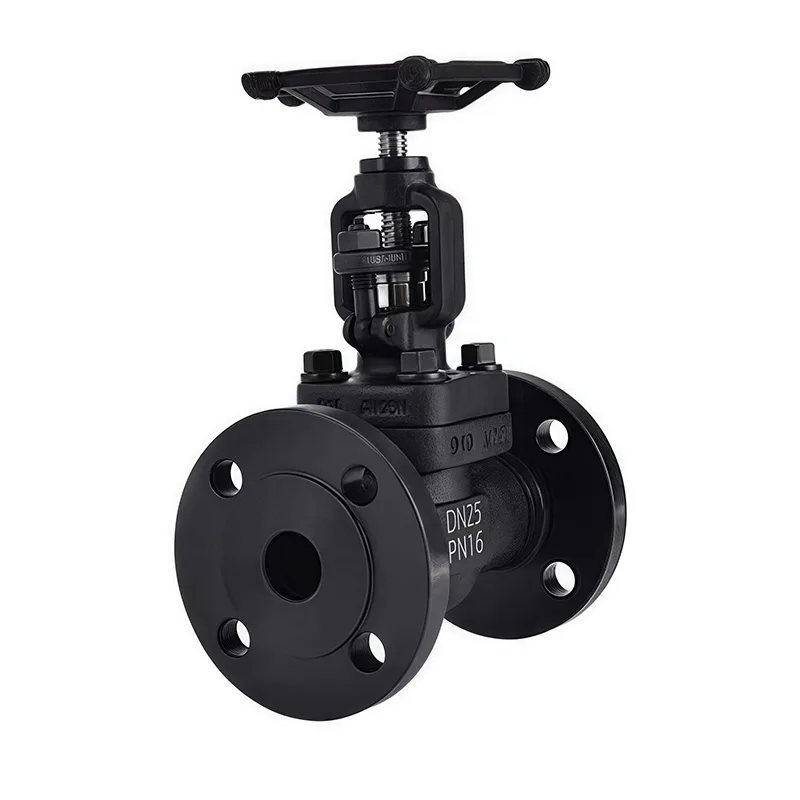
Table of Contents
- What Is a Forged National Standard Globe Valve?
- How Does a Forged National Standard Globe Valve Work?
- Key Advantages of Forged National Standard Globe Valves
- Common Materials and Specifications
- Globe Valve vs Other Valve Types
- Major Industrial Applications
- How to Select the Right Globe Valve
- Maintenance and Service Life Tips
- Frequently Asked Questions
- Conclusion
What Is a Forged National Standard Globe Valve?
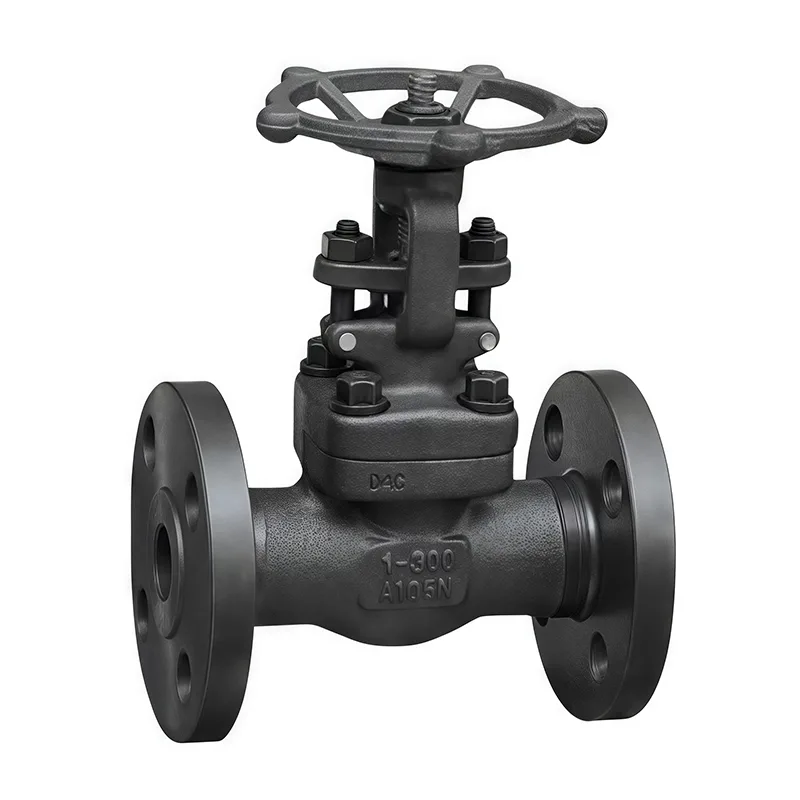
A Forged National Standard Globe Valve is a linear-motion valve designed to start, stop, and regulate fluid flow within a piping system. Manufactured through a forging process, the valve body achieves superior mechanical strength and structural integrity compared with conventional cast valves.
The term "National Standard" generally refers to compliance with recognized industrial standards regarding dimensions, pressure ratings, testing requirements, and manufacturing quality. These valves are particularly suitable for high-pressure and high-temperature operating environments where durability and sealing performance are critical.
The primary components include:
- Forged valve body
- Valve bonnet
- Valve stem
- Valve disc
- Seat ring
- Handwheel or actuator
- Packing and sealing components
The forged construction significantly improves resistance to pressure fluctuations, thermal stress, and mechanical fatigue, making these valves ideal for demanding industrial applications.
How Does a Forged National Standard Globe Valve Work?
The operating principle of a globe valve is relatively straightforward. Rotation of the handwheel or actuator causes the stem to move vertically. This movement raises or lowers the disc relative to the seat, thereby controlling fluid flow.
When the disc lifts away from the seat, fluid passes through the valve. When the disc presses tightly against the seat, the flow path is blocked, creating a reliable shutoff.
The design offers excellent throttling capability because the flow area changes gradually as the disc moves. This precise regulation is one of the key reasons globe valves are preferred in applications requiring accurate flow control.
| Valve Position | Disc Location | Flow Condition |
|---|---|---|
| Fully Open | Disc lifted completely | Maximum flow |
| Partially Open | Disc partially raised | Controlled flow regulation |
| Fully Closed | Disc seated tightly | Flow completely stopped |
Key Advantages of Forged National Standard Globe Valves
Forged National Standard Globe Valves offer several performance benefits that make them a preferred choice in critical service conditions.
1. Superior Mechanical Strength
The forging process refines the grain structure of the metal, eliminating internal defects and enhancing mechanical properties. This results in improved resistance to pressure, impact, and vibration.
2. Excellent Sealing Performance
The disc and seat arrangement creates a highly reliable sealing surface that minimizes leakage and improves operational safety.
3. Precise Flow Regulation
Unlike many valve types designed primarily for on/off service, globe valves excel at flow control applications where accuracy is essential.
4. Long Service Life
High-quality forged materials combined with robust engineering contribute to extended operational lifespan and reduced maintenance costs.
5. High Temperature and Pressure Resistance
These valves are suitable for demanding operating environments commonly found in power plants, refineries, and chemical processing facilities.
6. Enhanced Safety
Reliable shutoff performance helps protect equipment, personnel, and production processes from unexpected leakage or pressure-related failures.
Common Materials and Specifications
Material selection plays a critical role in determining valve performance and longevity. Different materials are chosen according to operating pressure, temperature, and media characteristics.
| Material | Main Features | Typical Applications |
|---|---|---|
| Forged Carbon Steel | High strength and cost-effectiveness | Oil, gas, steam systems |
| Forged Stainless Steel | Corrosion resistance | Chemical and food processing |
| Alloy Steel | High-temperature performance | Power generation |
| Duplex Stainless Steel | Superior corrosion resistance | Marine and offshore projects |
Typical specifications may include:
- Pressure Class: PN16 to PN420
- Nominal Size: DN15 to DN300
- Connection Type: Flanged, welded, threaded
- Operating Temperature: Up to 600°C or higher depending on material
- Actuation: Manual, pneumatic, electric, or hydraulic
Globe Valve vs Other Valve Types
Selecting the right valve often requires comparing available options.
| Feature | Globe Valve | Gate Valve | Ball Valve |
|---|---|---|---|
| Flow Regulation | Excellent | Poor | Limited |
| Shutoff Performance | Excellent | Good | Excellent |
| Pressure Drop | Higher | Lower | Very Low |
| High-Temperature Service | Excellent | Good | Good |
| Maintenance | Moderate | Low | Low |
For applications requiring accurate flow regulation and dependable shutoff, globe valves typically outperform alternative valve designs.
Major Industrial Applications
Forged National Standard Globe Valves are widely used across numerous industries due to their versatility and reliability.
Oil and Gas Industry
- Pipeline flow control
- Refinery process systems
- Natural gas transportation
- Offshore production facilities
Petrochemical Industry
- Chemical process control
- Corrosive media handling
- High-pressure process units
Power Generation
- Steam pipelines
- Boiler systems
- Turbine auxiliary systems
Water Treatment Facilities
- Flow regulation systems
- Pumping stations
- Industrial water distribution networks
Marine and Offshore Projects
- Seawater systems
- Shipbuilding applications
- Offshore drilling platforms
How to Select the Right Globe Valve
Choosing the appropriate Forged National Standard Globe Valve requires evaluating several technical factors.
Consider Operating Pressure
Ensure the valve pressure class exceeds the maximum system pressure for safe operation.
Evaluate Temperature Conditions
Different materials perform differently under elevated temperatures. Select materials compatible with operating conditions.
Analyze Fluid Characteristics
Consider whether the media is corrosive, abrasive, toxic, or high-purity.
Determine Connection Requirements
Verify compatibility with existing piping systems and installation standards.
Review Maintenance Accessibility
Valves installed in critical locations should allow convenient inspection and servicing.
Partner with a Reliable Manufacturer
Working with experienced manufacturers such as Huadu helps ensure product quality, certification compliance, and long-term technical support.
Maintenance and Service Life Tips
Proper maintenance significantly extends valve lifespan and ensures consistent performance.
- Perform regular visual inspections.
- Monitor packing and sealing conditions.
- Lubricate moving components as recommended.
- Check for abnormal vibration or leakage.
- Verify actuator functionality periodically.
- Replace worn seats and discs when necessary.
- Follow manufacturer maintenance schedules.
Preventive maintenance helps reduce downtime, improve safety, and lower total ownership costs.
Frequently Asked Questions
What makes a forged globe valve stronger than a cast globe valve?
Forged valves undergo a manufacturing process that compresses and refines the metal grain structure, resulting in higher strength, improved toughness, and fewer internal defects compared to cast valves.
Can Forged National Standard Globe Valves be used for throttling applications?
Yes. Globe valves are specifically designed for accurate flow regulation and are commonly used in throttling and control applications.
Which industries benefit most from forged globe valves?
Oil and gas, petrochemical, power generation, marine, water treatment, and chemical processing industries frequently utilize these valves.
What materials are commonly available?
Common materials include forged carbon steel, forged stainless steel, alloy steel, and duplex stainless steel.
How often should maintenance be performed?
Maintenance frequency depends on operating conditions, media type, and service severity. Routine inspections should be conducted according to manufacturer recommendations.
Why is sealing performance important?
Effective sealing prevents leakage, enhances safety, protects equipment, and ensures compliance with environmental regulations.
Conclusion
A Forged National Standard Globe Valve remains one of the most dependable solutions for industrial flow control applications. Its forged construction, excellent sealing capability, superior pressure resistance, and precise flow regulation make it an ideal choice for demanding operating environments. Whether used in power plants, refineries, chemical facilities, or water treatment systems, these valves deliver long-term reliability and operational efficiency.
If you are looking for high-performance Forged National Standard Globe Valve solutions backed by professional engineering expertise and strict quality control, contact us today. The Huadu team is ready to provide customized valve recommendations, technical consultation, competitive quotations, and dependable after-sales support to help ensure the success of your next industrial project.
Related News
- The characteristics of ball valves.
- The working principle of the check valve.
- The working principle and features of Globe Valve.
- Types of gate valves.
- How to Choose A Reliable Sealing Valve for Long-Term Industrial Pipeline Operation?
- What Makes Globe Valves Essential for Frequent Switching and Flow Adjustment?
Leave me a message