English
- English
- Esperanto
- Afrikaans
- Català
- שפה עברית
- Cymraeg
- Galego
- Latviešu
- icelandic
- ייִדיש
- беларускі
- Hrvatski
- Kreyòl ayisyen
- Shqiptar
- Malti
- lugha ya Kiswahili
- አማርኛ
- Bosanski
- Frysk
- ភាសាខ្មែរ
- ქართული
- ગુજરાતી
- Hausa
- Кыргыз тили
- ಕನ್ನಡ
- Corsa
- Kurdî
- മലയാളം
- Maori
- Монгол хэл
- Hmong
- IsiXhosa
- Zulu
- Yoruba
- অসমীয়া
- ଓଡିଆ
- Punjabi
- پښتو
- Chichewa
- Samoa
- Sesotho
- සිංහල
- Gàidhlig
- Cebuano
- Somali
- Тоҷикӣ
- O'zbek
- Hawaiian
- سنڌي
- Shinra
- Հայերեն
- Igbo
- Sundanese
- Lëtzebuergesch
- Malagasy
- Español
- Português
- русский
- Français
- 日本語
- Deutsch
- tiếng Việt
- Italiano
- Nederlands
- ภาษาไทย
- Polski
- 한국어
- Svenska
- magyar
- Malay
- বাংলা ভাষার
- Dansk
- Suomi
- हिन्दी
- Pilipino
- Türkçe
- Gaeilge
- العربية
- Indonesia
- Norsk
- تمل
- český
- ελληνικά
- український
- Javanese
- فارسی
- தமிழ்
- తెలుగు
- नेपाली
- Burmese
- български
- ລາວ
- Latine
- Қазақша
- Euskal
- Azərbaycan
- Slovenský jazyk
- Македонски
- Lietuvos
- Eesti Keel
- Română
- Slovenski
- मराठी
- Srpski језик

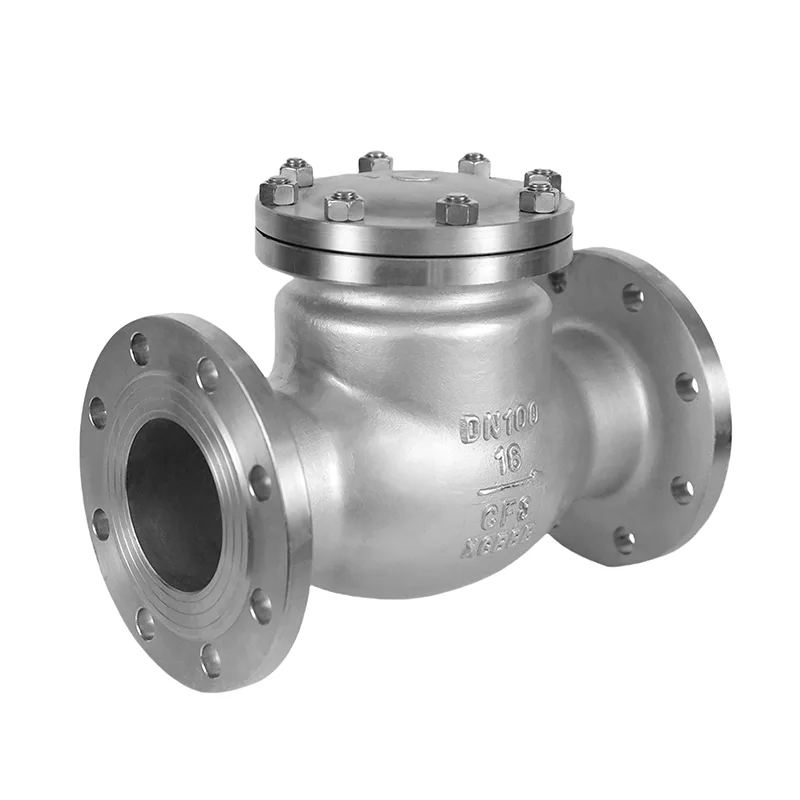
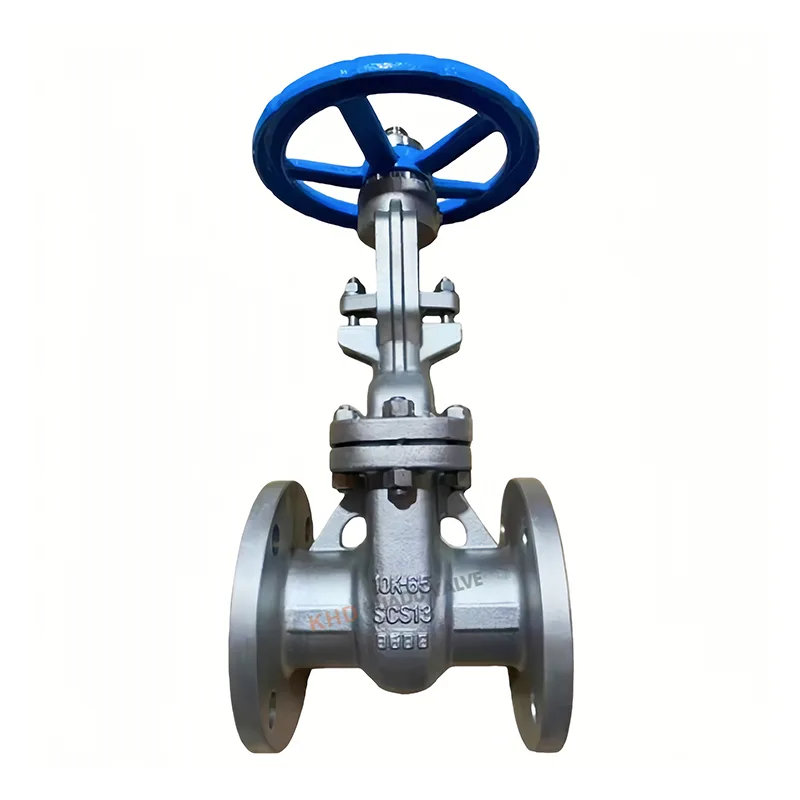
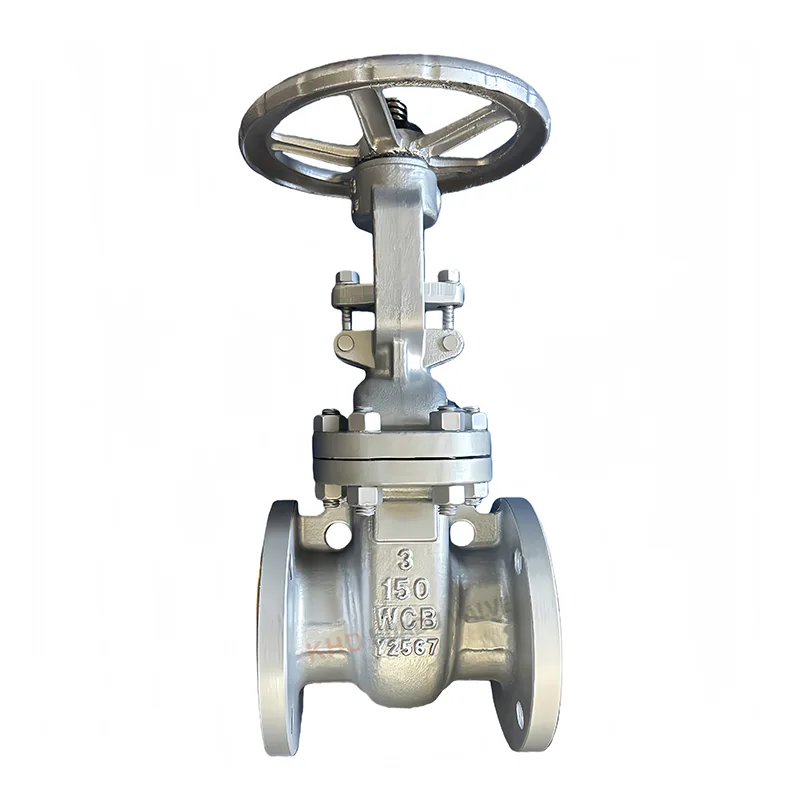
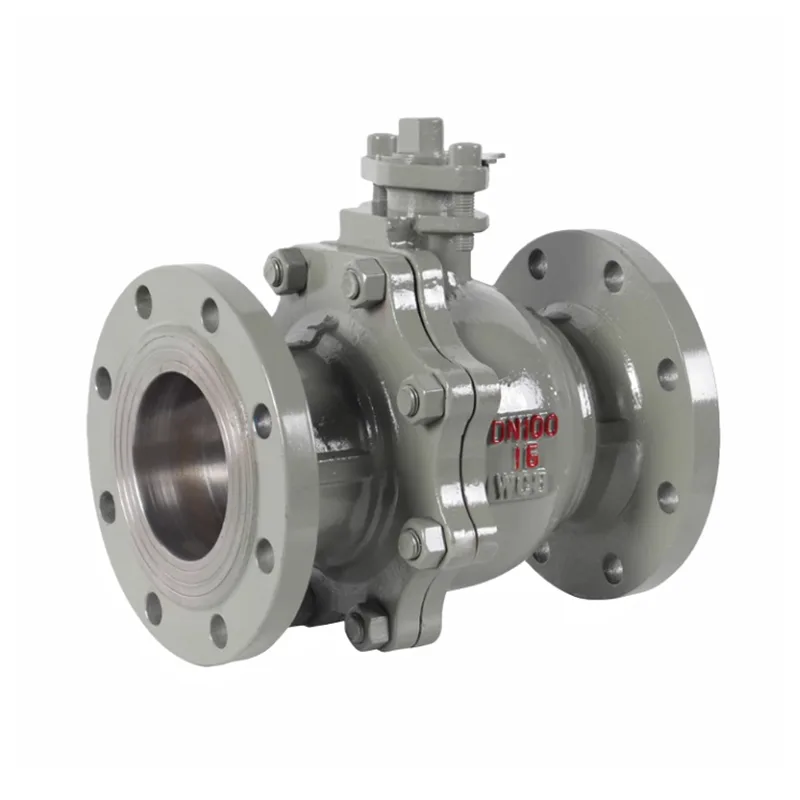
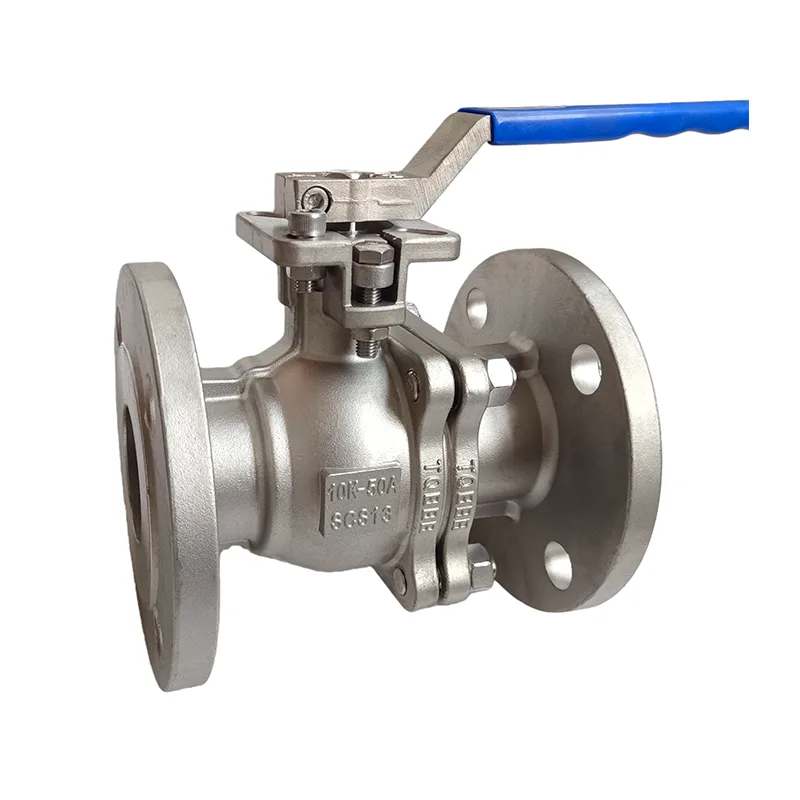
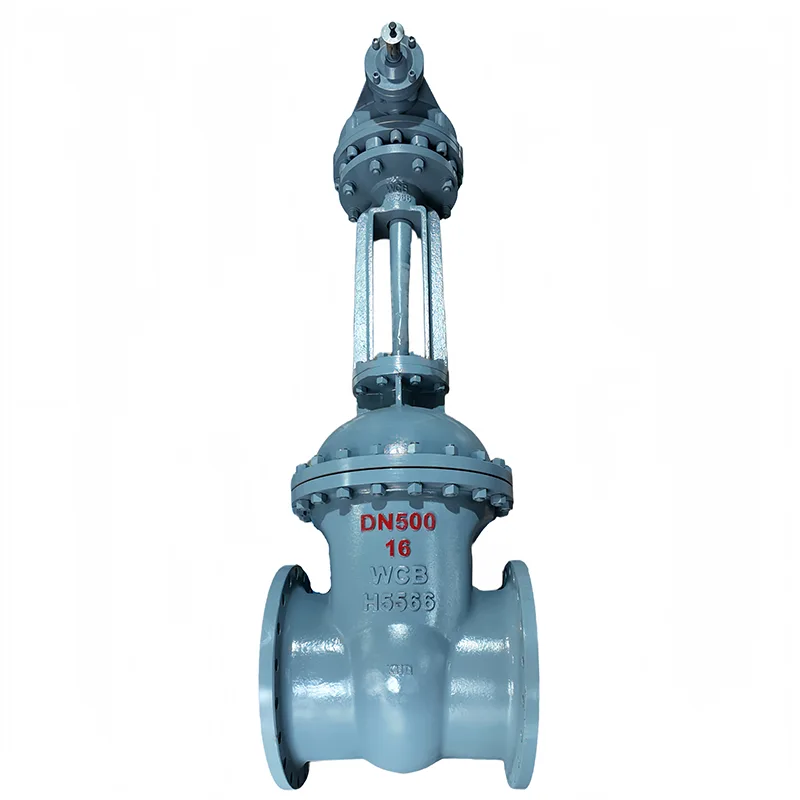
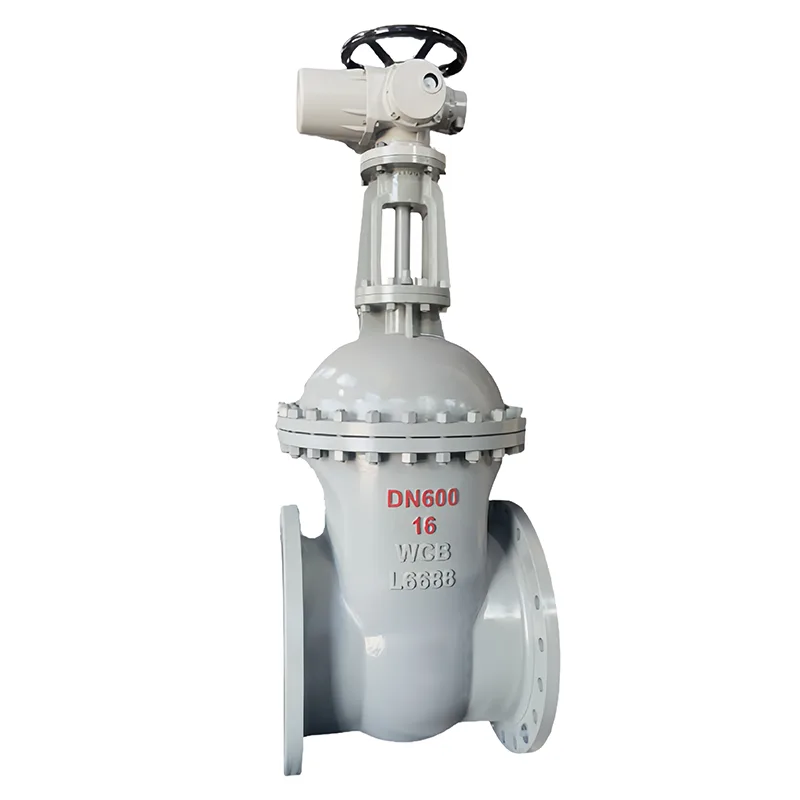
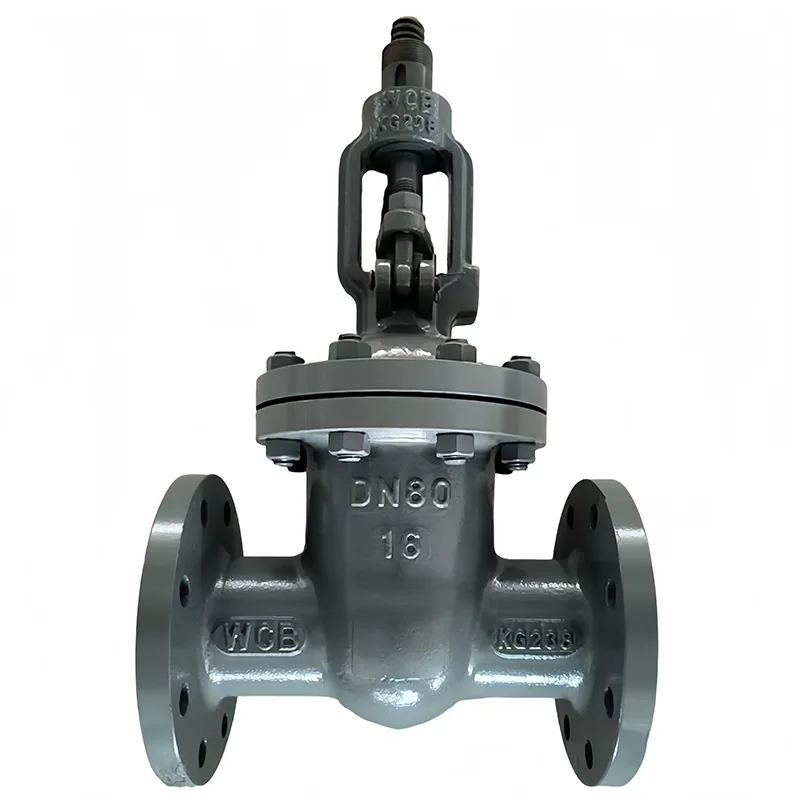
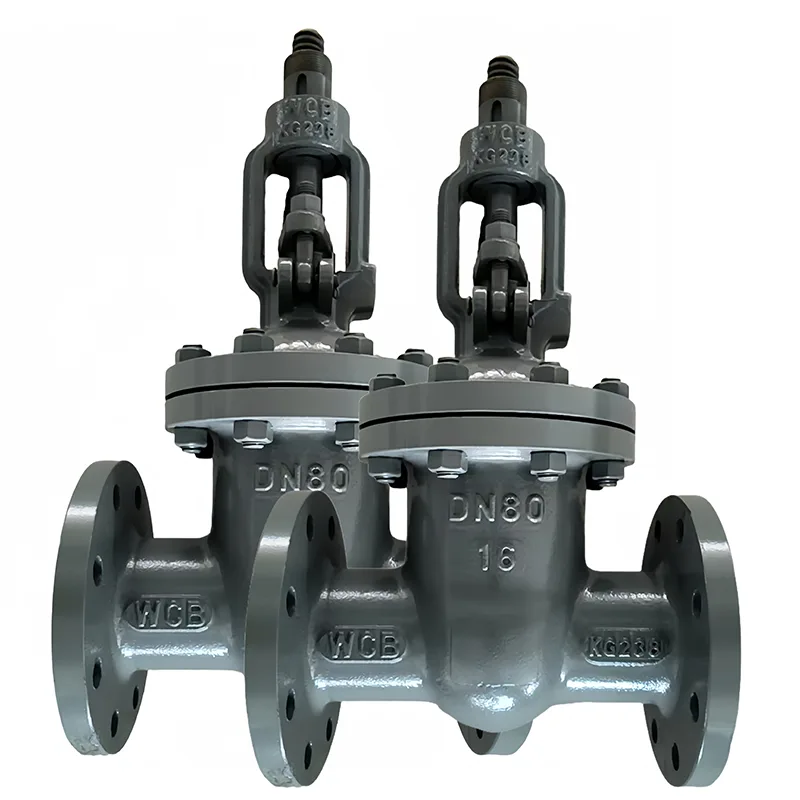
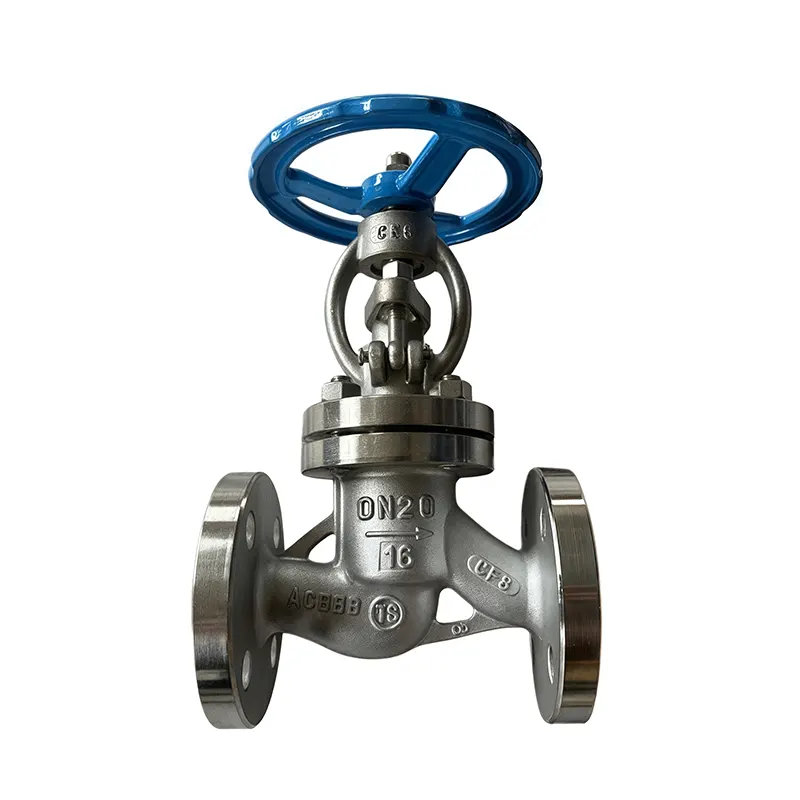
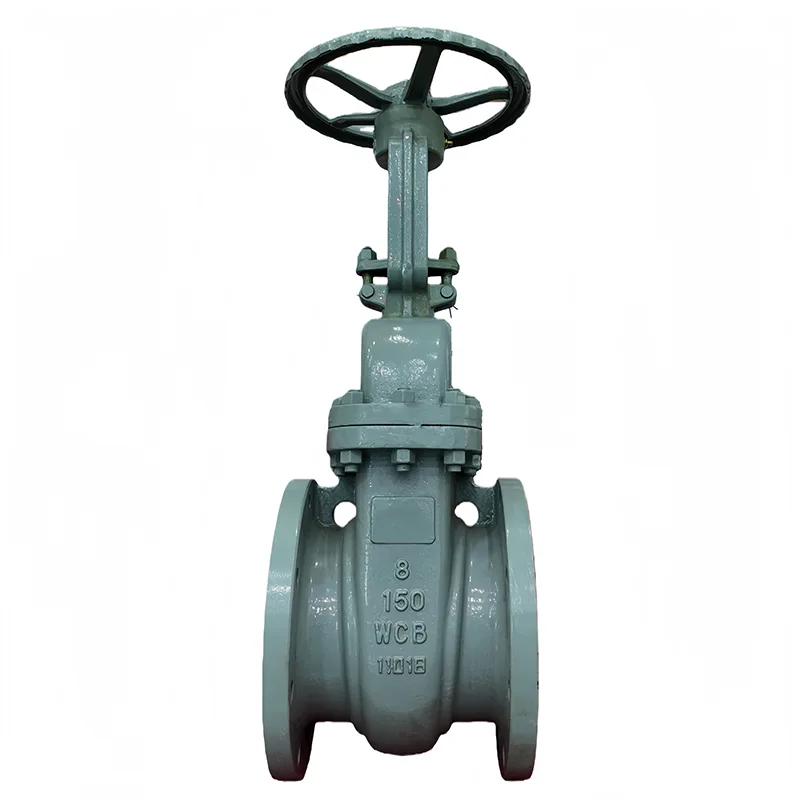
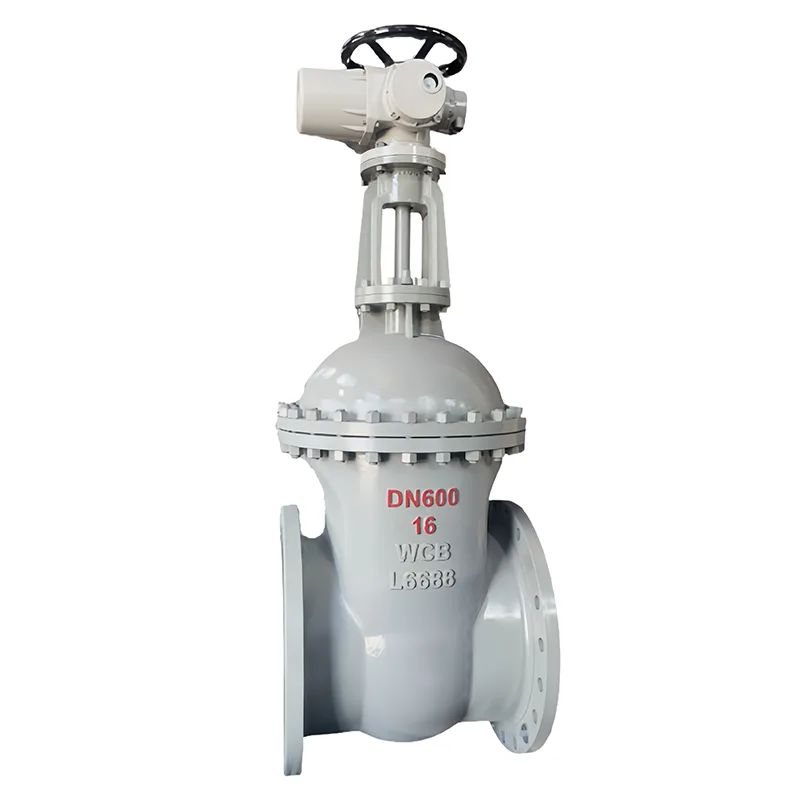
Carbon Steel National Standard Flange Gate Valve
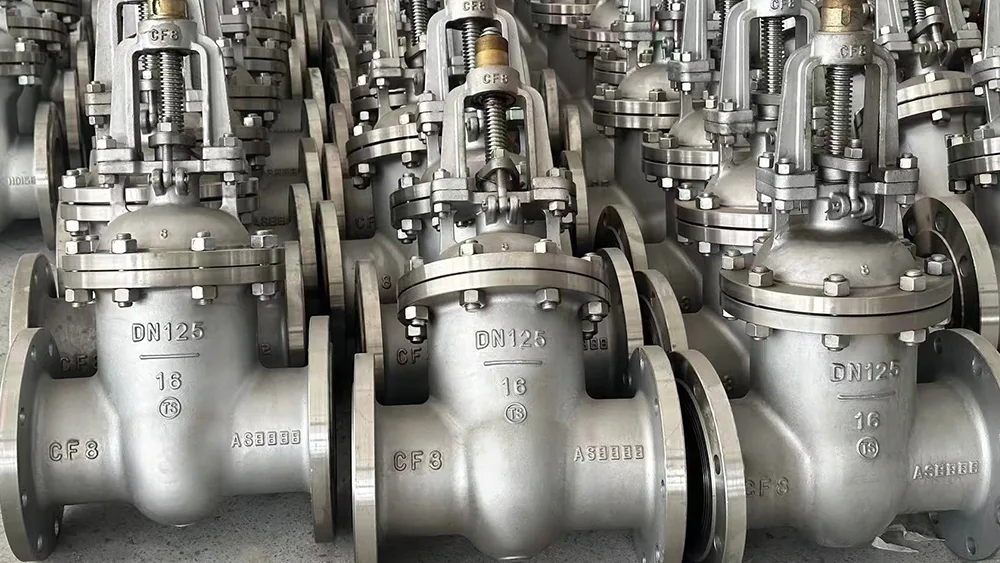
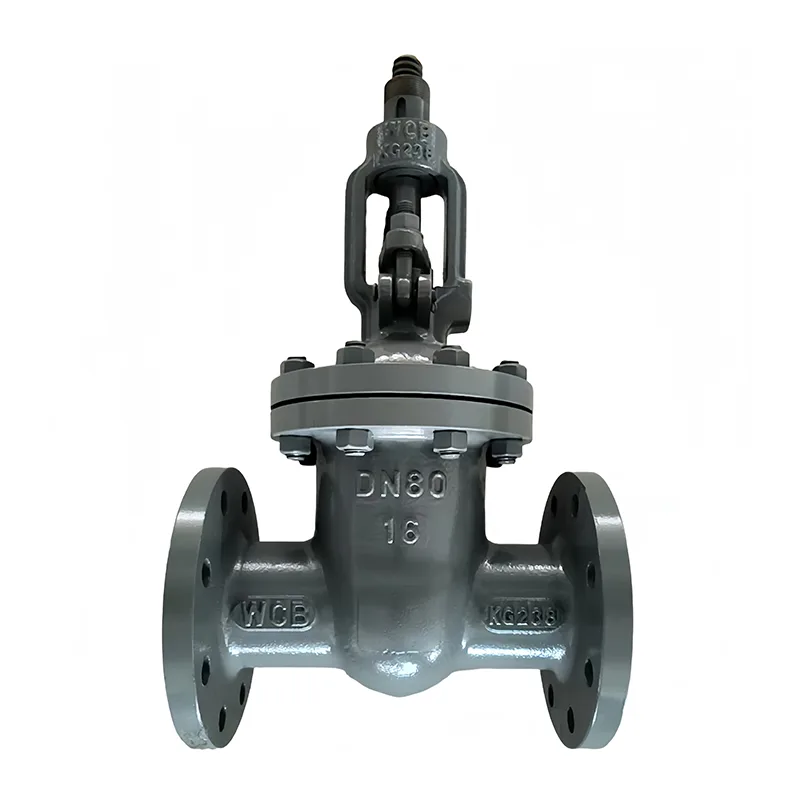
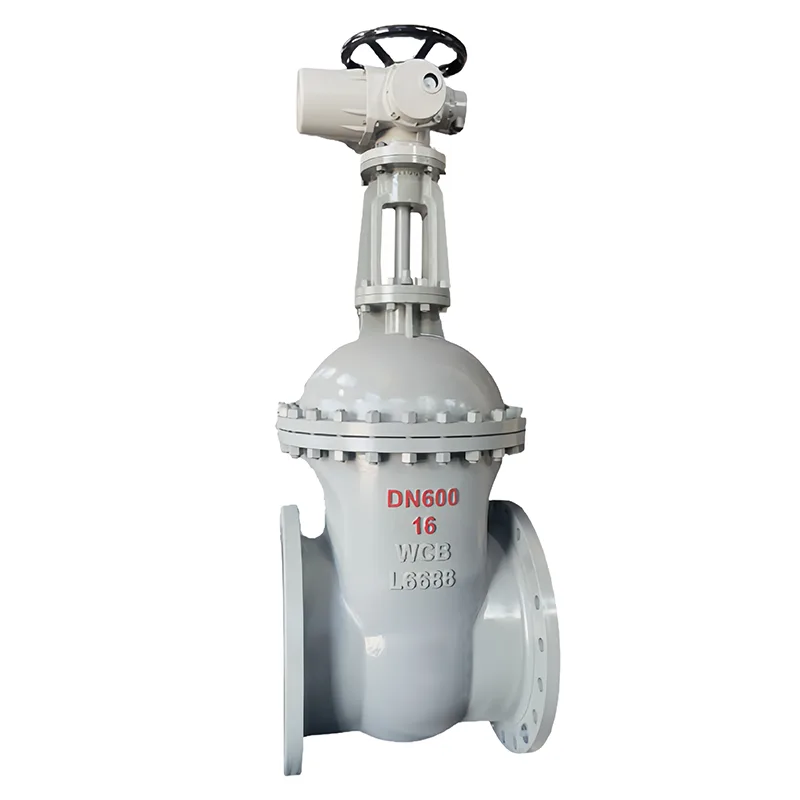
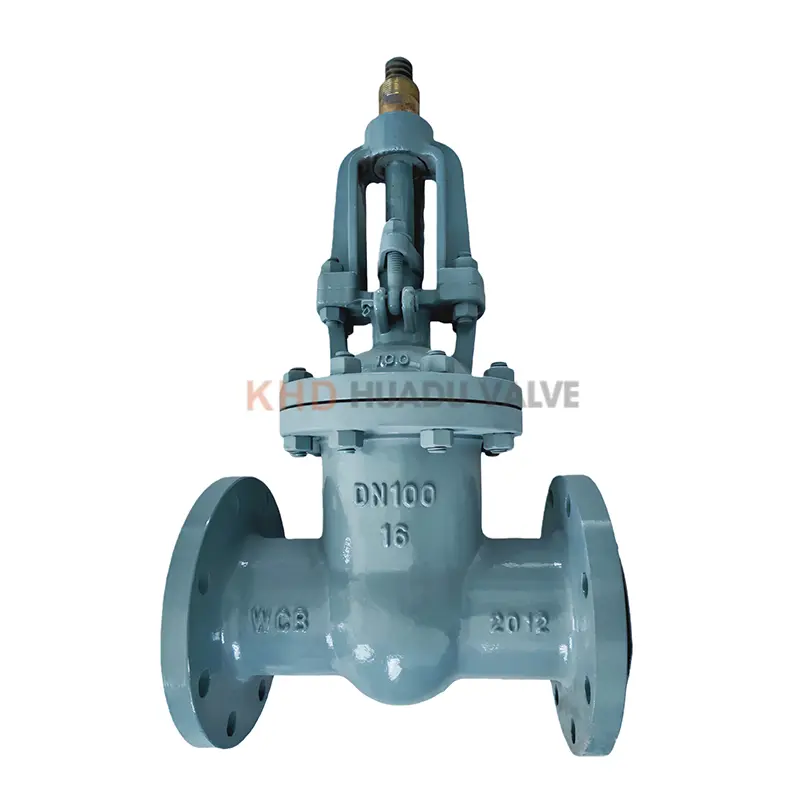
Huadu Valve Group is based in Wenzhou, China. We make solid, reliable industrial valves you can count on. Our star product, the Carbon Steel National Standard Flange Gate Valve, is forged from high-strength carbon steel that stands up to long-term pressure and temperature changes. Featuring flanged connections and a full straight-through flow path, it delivers complete shutoff performance and nearly no flow restriction. It is a top pick for power stations, municipal water pipelines, heating systems and chemical facilities.
We are a professional valve maker holding ISO, API and CE certifications. We own advanced production equipment and a full set of quality control systems. We also accept OEM and ODM orders, with flexible minimum order quantities. Our reliable products are exported globally and win wide recognition from clients.

What are the standard carbon steel flanges for gate valves?
Carbon steel flanges come under different standards depending on where you’re using them. Common ones include ASME B16.5 (American standard), EN 1092-1 (European standard), and GB/T 9113 series (Chinese national standard). For our carbon steel national standard flange gate valves, we usually follow GB standards to match domestic pipeline systems. These standards define the flange’s size, pressure rating, and bolt hole pattern, so the valve can fit perfectly with your pipes and meet the required pressure class.
Key Attributes
| Carbon Steel National Standard Flange Gate Valve | Stem Material | A182 F304 / A182 F316 / 13Cr |
| GB/T 12224 / GB/T 12234 | Seat Material | Stellite Hardfaced / PTFE / RPTFE |
| GB/T 12221 | Gasket Type | Spiral Wound Gasket / RTJ Gasket/ Graphite Gasket |
| GB/T 9113 / GB/T 9124 | Operation Mode | Handwheel, Gear Operated, Electric Actuator, Pneumatic Actuator, Hydraulic Actuator |
| PN16 / PN25 / PN40 / PN63 / PN100 | End Connection | Flanged, Welded (BW/SW) |
| DN15~DN1000 | Design Type | Wedge Gate, Bolted Bonnet |
| A216 WCB | Temperature Range | -29℃ ~ 425℃ |
| A216 WCB | Applicable Medium | Water, Oil, Gas, Steam, General Industrial Medium |
| A216 WCB + Hardfaced / A105 + Hardfaced / F304 / F316 | Testing Standard | GB/T 13927 / Hydrostatic Shell & Seat Test |
Which standards apply to gate valves?
Gate valves aren’t all made the same—they follow different standards depending on where and how you plan to use them. For tough jobs like oil and gas refineries, API 600 is the main standard for heavy-duty steel gate valves. ISO 6002 is another international standard that lines up with API 600 for bolted bonnet types. And for our domestic and many general industrial projects, we use China’s GB/T 12234 standard. Every one of these standards spells out exactly how the valve should be designed, what materials to use, how it’s tested for pressure, and the dimensions you’ll get. That way, you know the valve will fit your line and hold up safely over time.
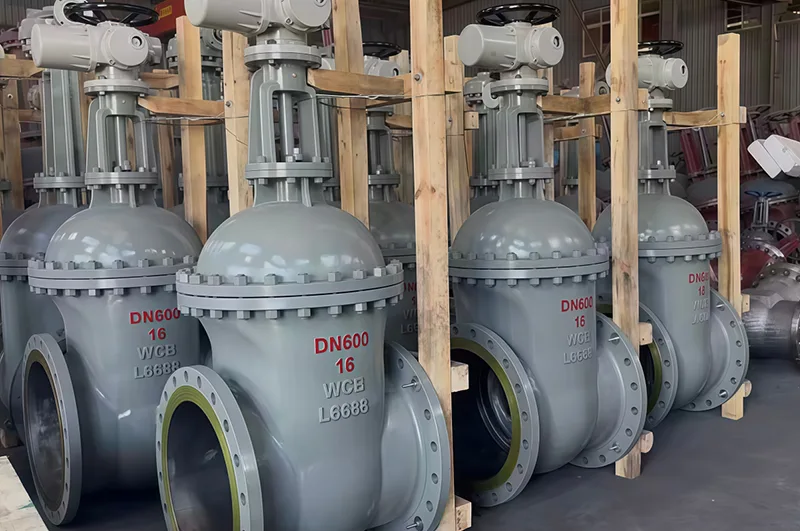
What role does the flange play in a gate valve?
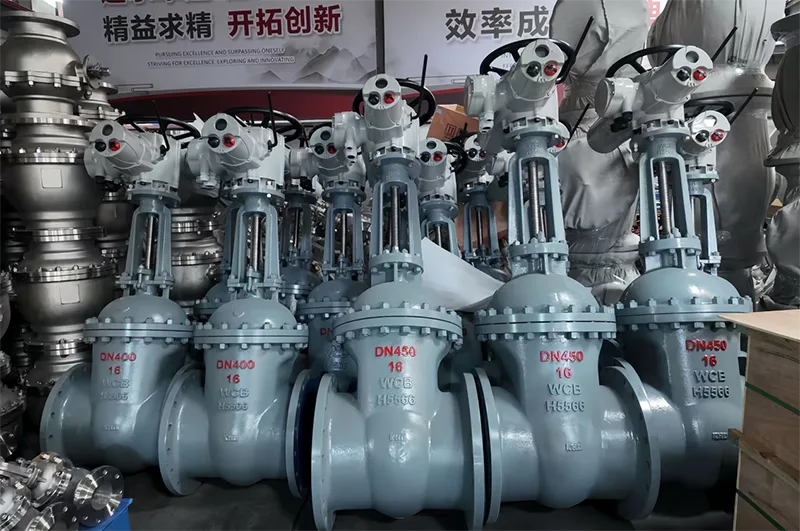
The flange is basically the “connection face” at each end of the gate valve. It’s what lets you bolt the valve right onto your pipeline or other equipment. When you tighten the bolts, the flange presses evenly against the gasket to create a tight, leak-free seal. That means no messy leaks, and later if you need to take the valve out for maintenance or replacement, it’s really easy to unbolt and remove. The flange also spreads out the working pressure evenly across the joint, so the connection stays stable even when the system is under load.
Could you explain the API 600 standard?
API 600 is basically a tough, no-nonsense standard from the American Petroleum Institute. It’s made specifically for bolted bonnet steel gate valves—the kind you find in refineries, oil & gas pipelines, and other really demanding industrial spots.
It doesn’t cut corners on requirements: material choices have to be right, the design has to hold up, manufacturing has to follow strict rules, and every valve has to pass pressure and leak tests before it leaves the factory. The whole point is simple: make sure the valve can take high pressure, high heat, and harsh media, and still work when you need it most. If a gate valve meets API 600, you know it’s built for critical, hardworking applications.
Related Category
Send Inquiry
Contact Info
-
Address
No. 1015, Jinhai Avenue, Longwan District, Wenzhou City, Zhejiang Province, P.R.China
-
Tel
-
Email
For inquiries about ball valve, gate valve, globe valve or price list, please leave your email to us and we will be in touch within 24 hours.
News Recommendations