English
- English
- Esperanto
- Afrikaans
- Català
- שפה עברית
- Cymraeg
- Galego
- Latviešu
- icelandic
- ייִדיש
- беларускі
- Hrvatski
- Kreyòl ayisyen
- Shqiptar
- Malti
- lugha ya Kiswahili
- አማርኛ
- Bosanski
- Frysk
- ភាសាខ្មែរ
- ქართული
- ગુજરાતી
- Hausa
- Кыргыз тили
- ಕನ್ನಡ
- Corsa
- Kurdî
- മലയാളം
- Maori
- Монгол хэл
- Hmong
- IsiXhosa
- Zulu
- Yoruba
- অসমীয়া
- ଓଡିଆ
- Punjabi
- پښتو
- Chichewa
- Samoa
- Sesotho
- සිංහල
- Gàidhlig
- Cebuano
- Somali
- Тоҷикӣ
- O'zbek
- Hawaiian
- سنڌي
- Shinra
- Հայերեն
- Igbo
- Sundanese
- Lëtzebuergesch
- Malagasy
- Español
- Português
- русский
- Français
- 日本語
- Deutsch
- tiếng Việt
- Italiano
- Nederlands
- ภาษาไทย
- Polski
- 한국어
- Svenska
- magyar
- Malay
- বাংলা ভাষার
- Dansk
- Suomi
- हिन्दी
- Pilipino
- Türkçe
- Gaeilge
- العربية
- Indonesia
- Norsk
- تمل
- český
- ελληνικά
- український
- Javanese
- فارسی
- தமிழ்
- తెలుగు
- नेपाली
- Burmese
- български
- ລາວ
- Latine
- Қазақша
- Euskal
- Azərbaycan
- Slovenský jazyk
- Македонски
- Lietuvos
- Eesti Keel
- Română
- Slovenski
- मराठी
- Srpski језик

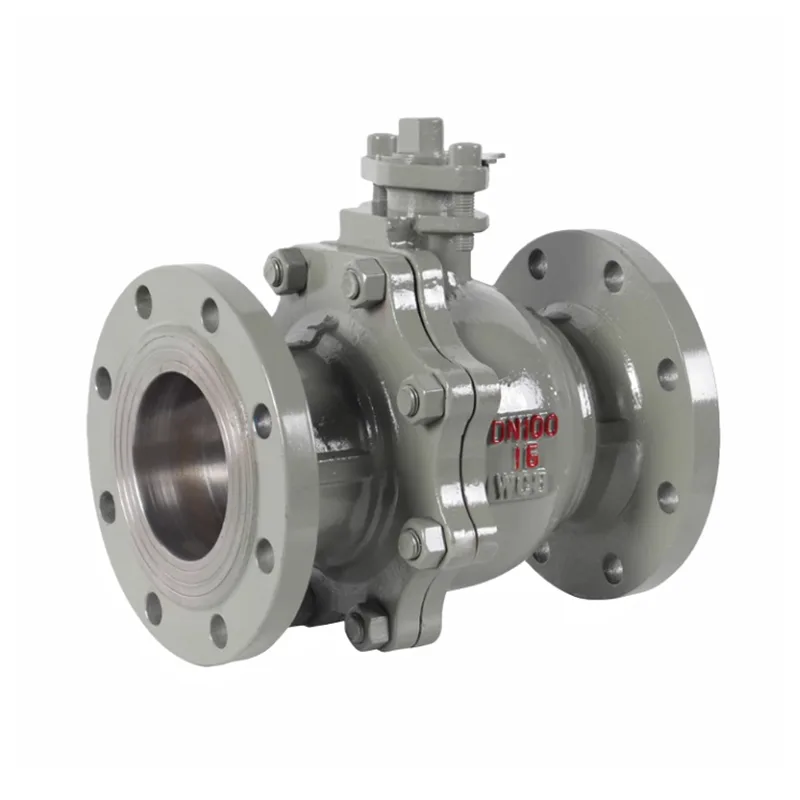
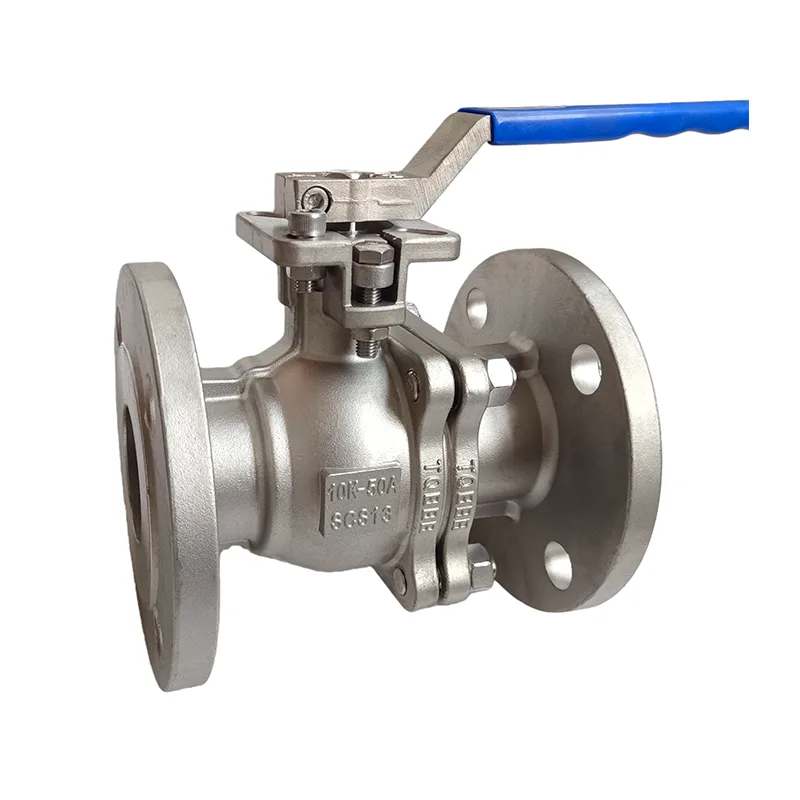
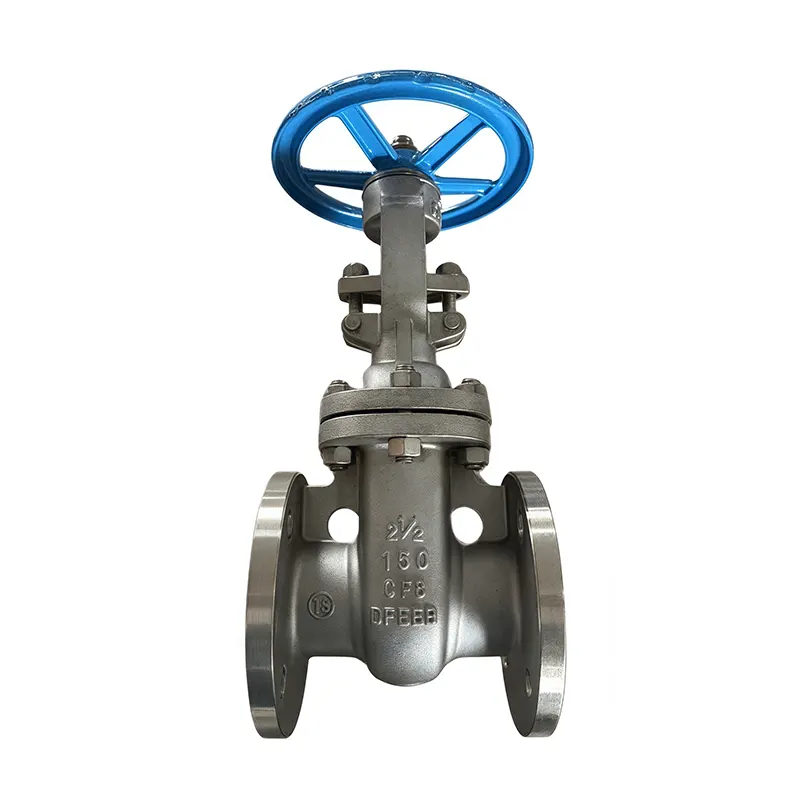
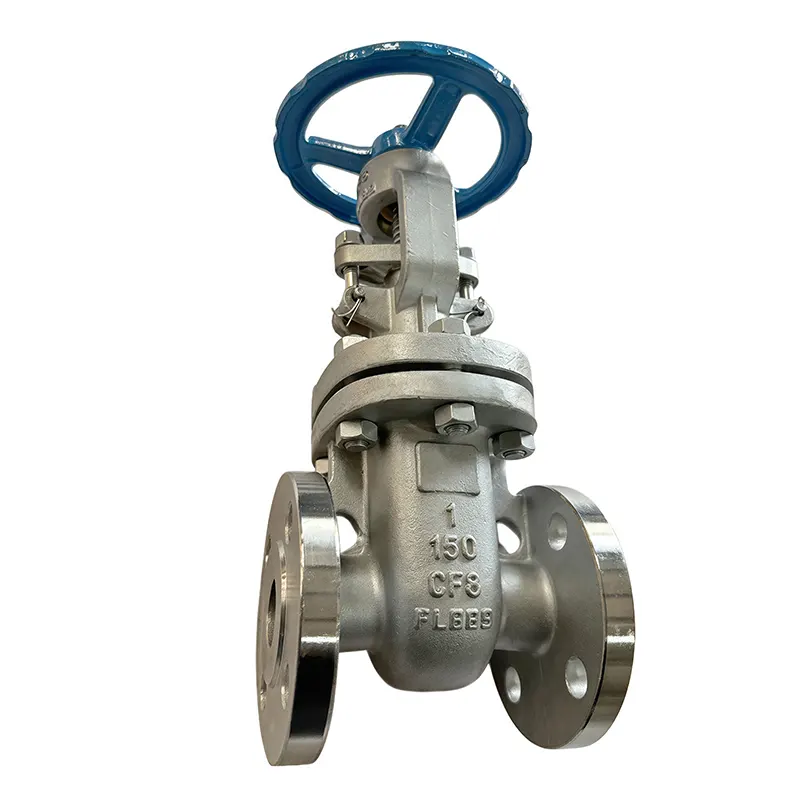
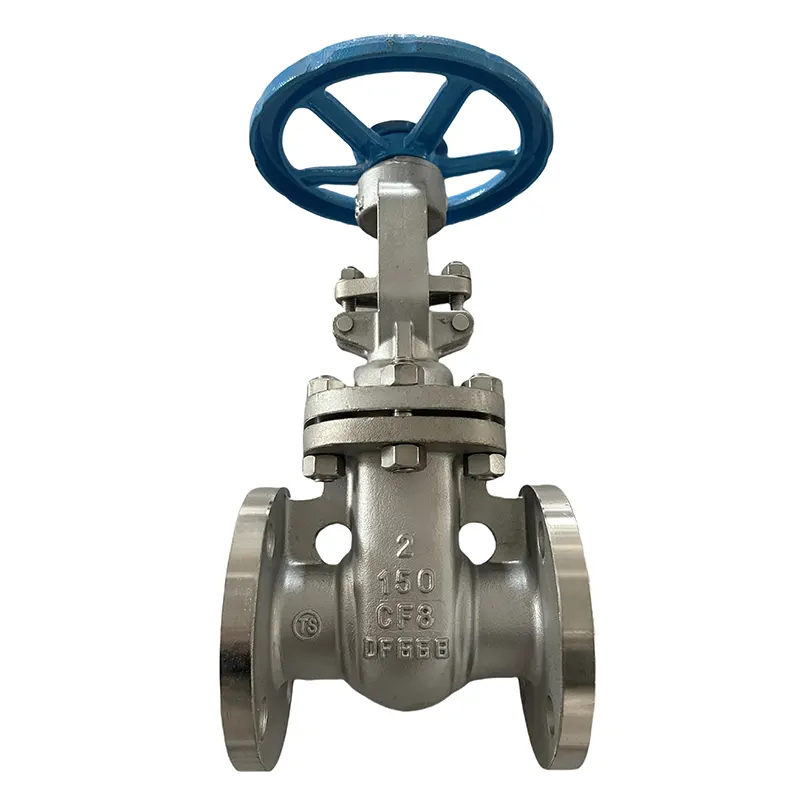
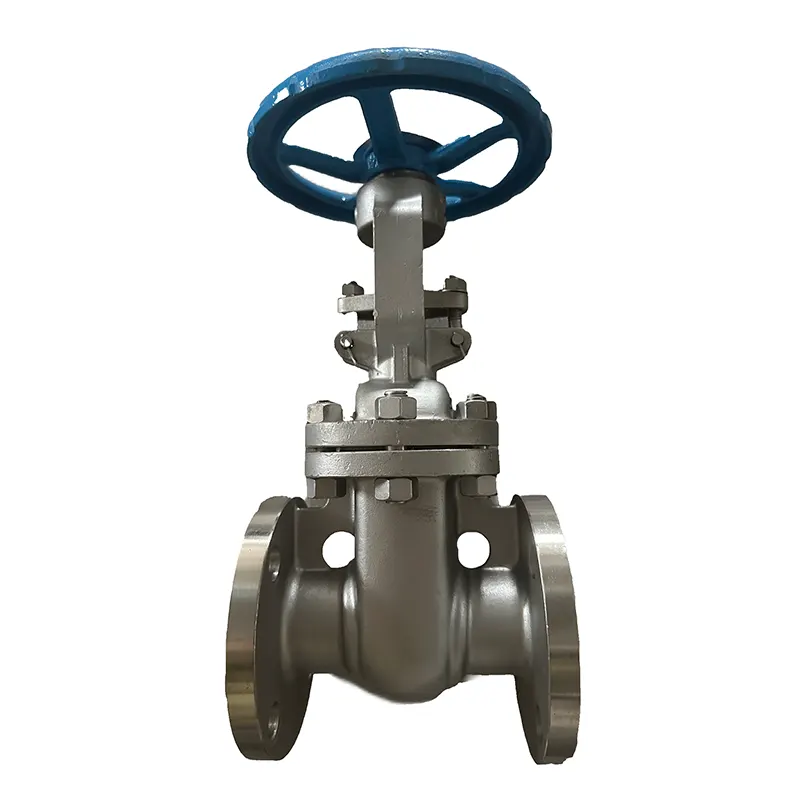
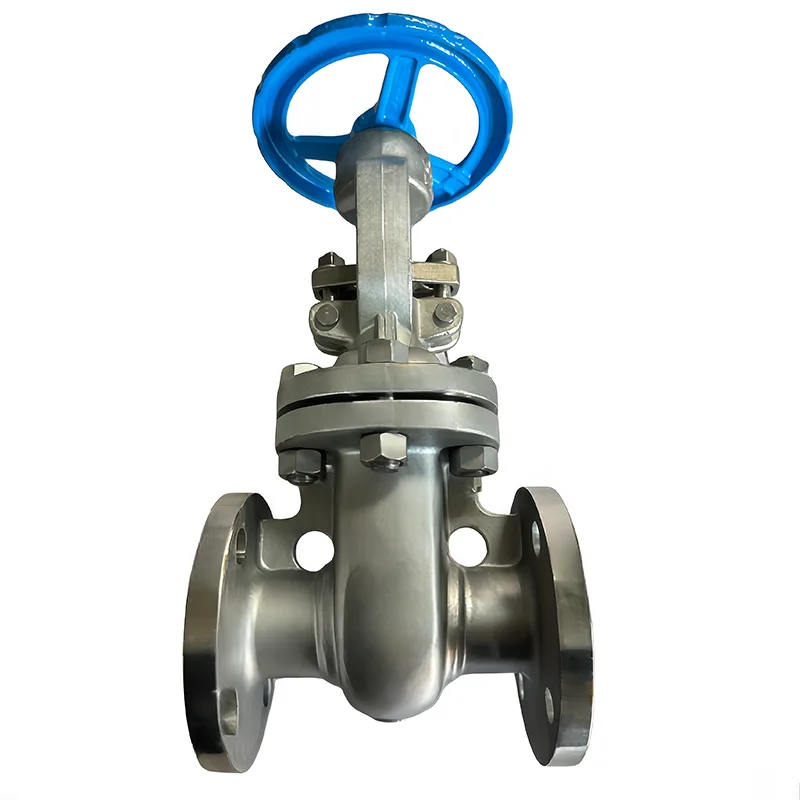
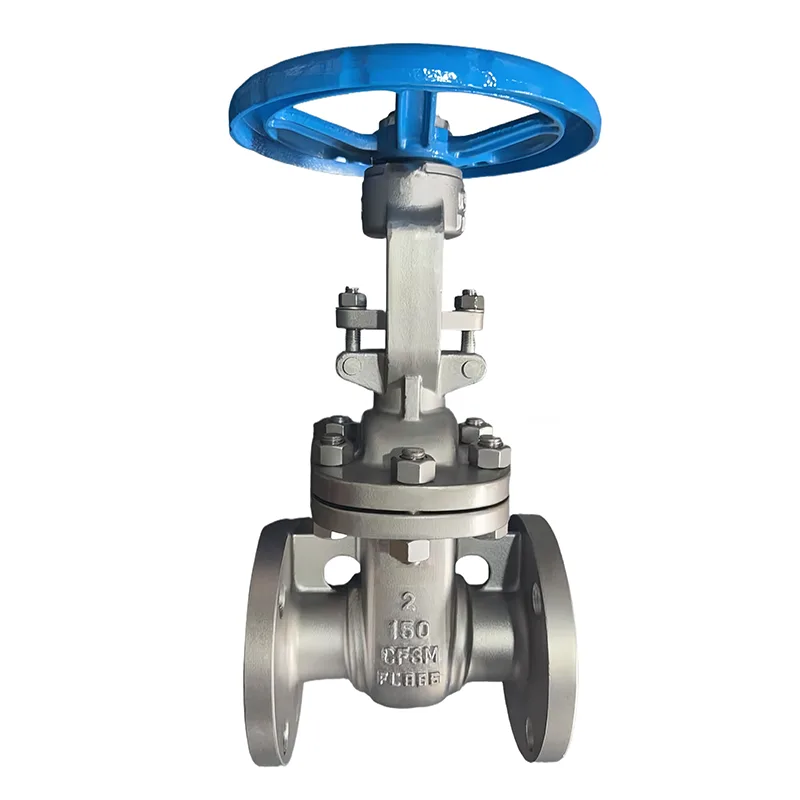
Industrial Gate Valve
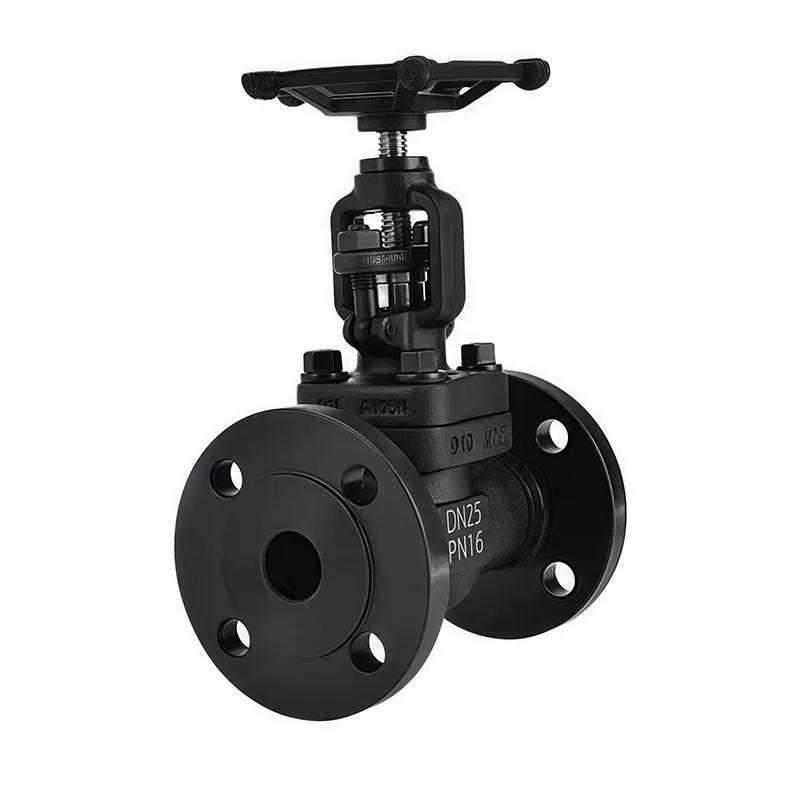
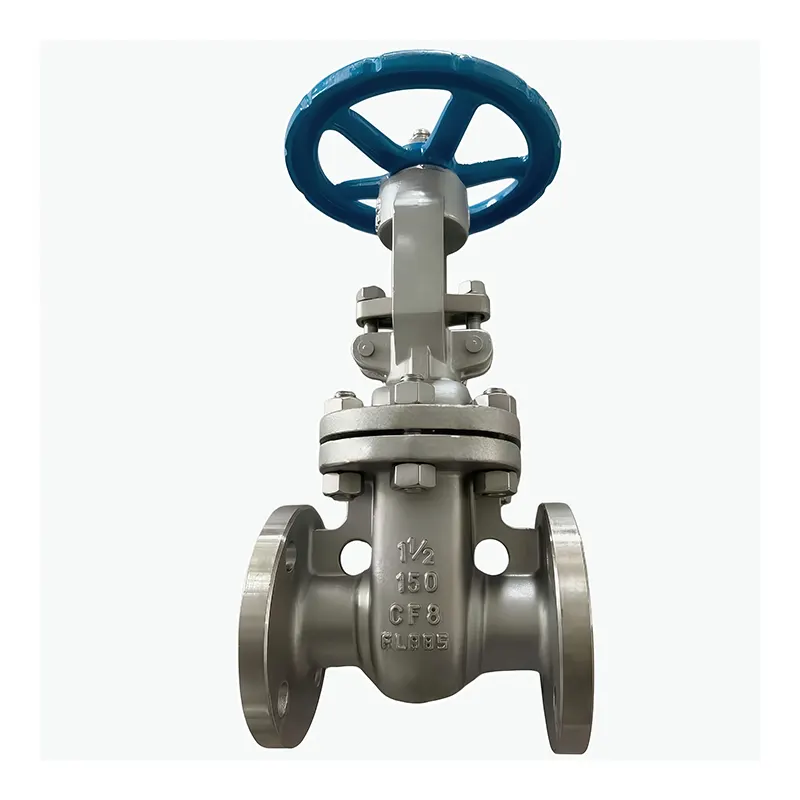
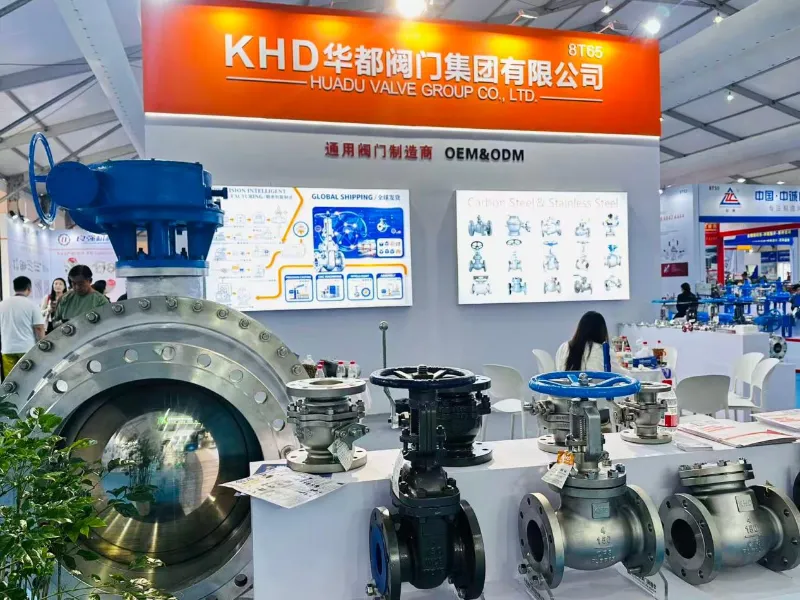
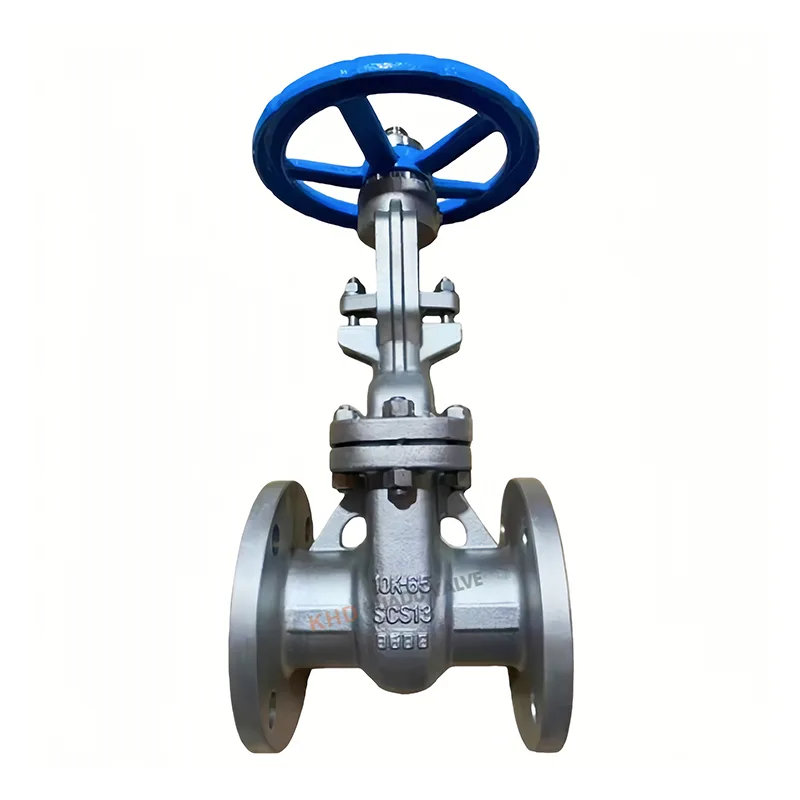
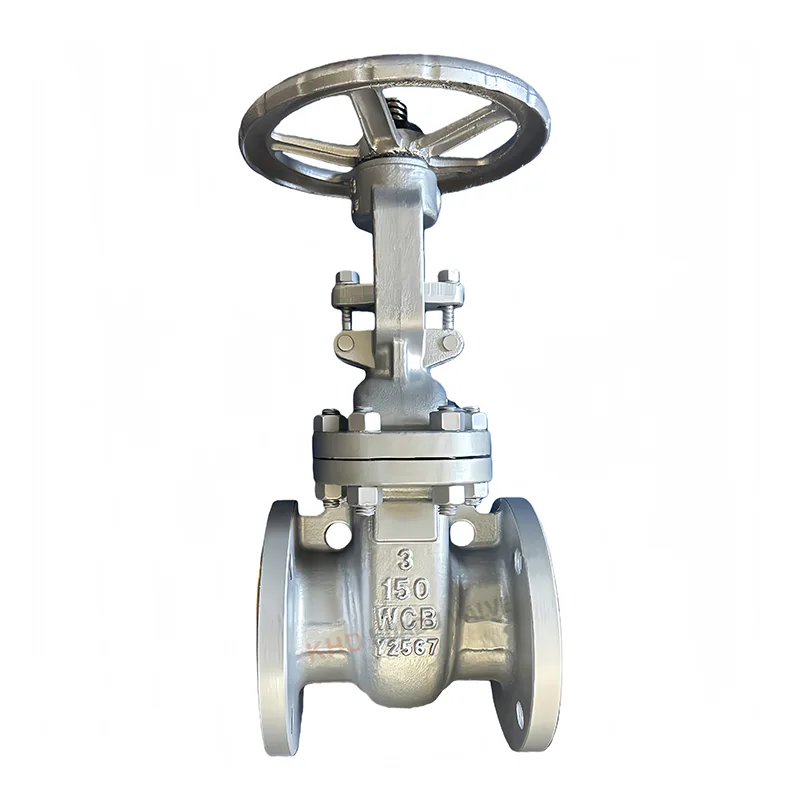
Huadu Valve Group runs our factory in Wenzhou, China, and we supply tough industrial valves built for long service life. Our popular industrial gate valve is cast from solid WCB carbon steel, holding up well under high pressure and heat. It comes with flanged connections and a wedge design, delivering full straight flow and tight bidirectional sealing with little pressure drop. This valve suits steam lines, chemical plants and water treatment sites very well.
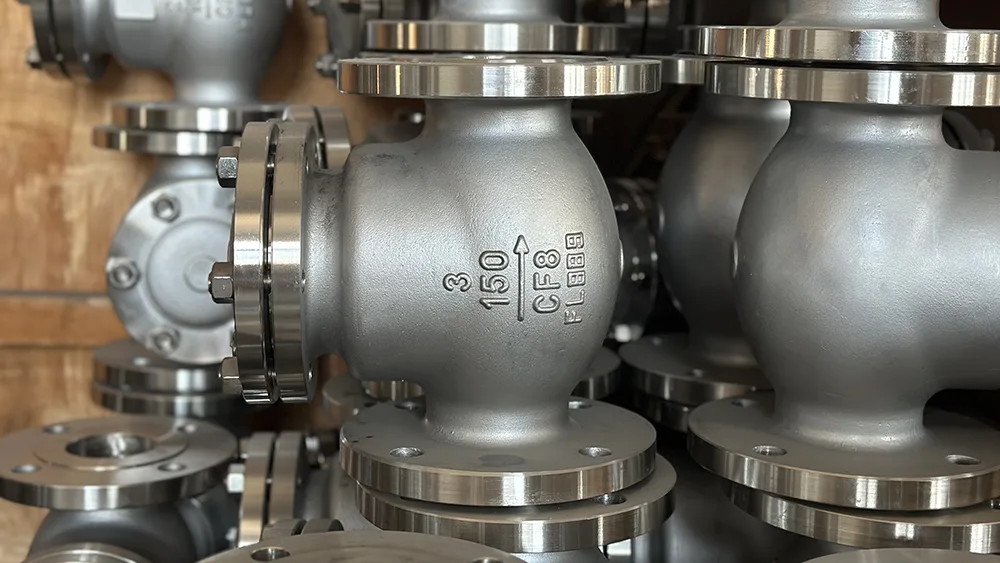
We are a certified valve factory with ISO and API approvals. We have full production gear and run thorough quality checks on every unit. We take OEM and ODM custom requests and can work with flexible small orders. Our solid gate valves ship to many countries and are well-liked by buyers everywhere.
Where do people normally install gate valves, and what jobs do they handle?
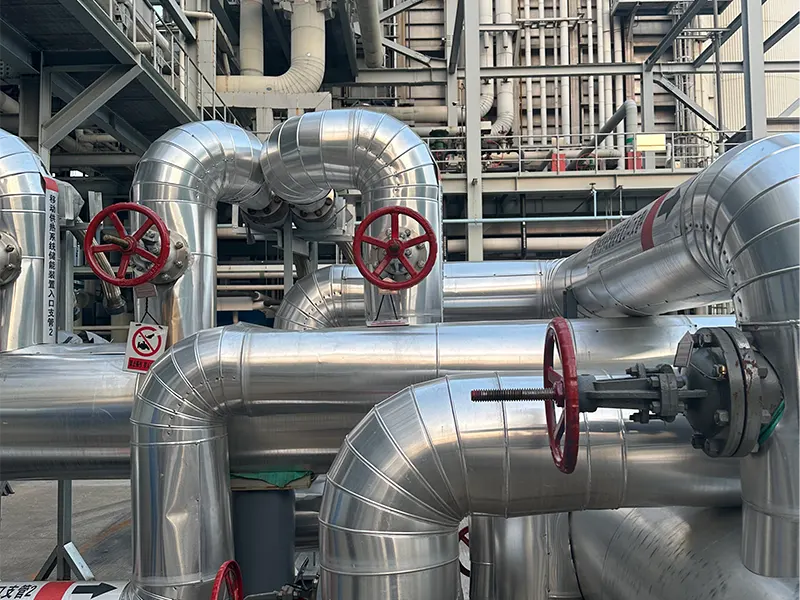
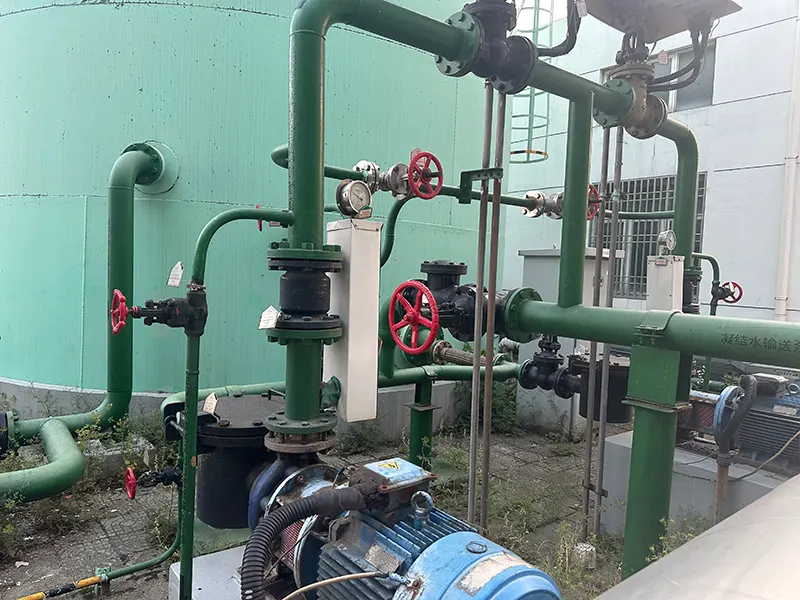
Gate valves act as shut-off gear on industrial pipes. They fully cut off or fully open fluid flow to separate pipe sections during repairs or system stops. You’ll see them on steam, oil, chemical liquid, city water and gas lines in power stations, chemical factories and water treatment plants.
Key Attributes
| Product Type | Industrial Gate Valve | Stem Material | A182 F304 / A182 F316 / 13Cr |
| Design Standard | API 6D / ASME B16.34 | Seat Material | Stellite Hardfaced / PTFE / RPTFE |
| Face to Face Dimension | ASME B16.10 | Gasket Type | Spiral Wound Gasket / RTJ Gasket/ Graphite Gasket |
| Flange Standard | ASME B16.5 / ASME B16.47 | Operation Mode | Handwheel, Gear Operated, Electric Actuator, Pneumatic Actuator, Hydraulic Actuator |
| Pressure Class | Class 150 / 300 / 600 / 900 / 1500 | End Connection | Flanged, Threaded, Welded (BW/SW) |
| Nominal Size (NPS) | 1/2" ~ 48" | Design Type | Floating Ball / Trunnion Ball, Bolted Bonnet |
| Body Material | A216 WCB | Temperature Range | -29℃ ~ 425℃ |
| Bonnet Material | A216 WCB | Applicable Medium | Water, Oil, Gas, Steam, General Industrial Fluid |
| Wedge / Disc Material | A216 WCB + Hardfaced / A105 + Hardfaced / F304 / F316 | Testing Standard | API 598 / Hydrostatic Shell & Seat Test |
Is it fine to use gate valves to slow down or adjust fluid flow?
It’s not a good idea at all. Gate valves are only made to stay fully open or fully shut. If you leave the wedge half open, rushing fluid will constantly hit the sealing surface, wearing it down fast and leading to permanent leaks. Partially open valves also create heavy vibration and water hammer that harm the valve and connected pipes. Go for globe or ball valves if you need to control flow volume.
What benefits do gate valves bring compared with other pipeline valves?
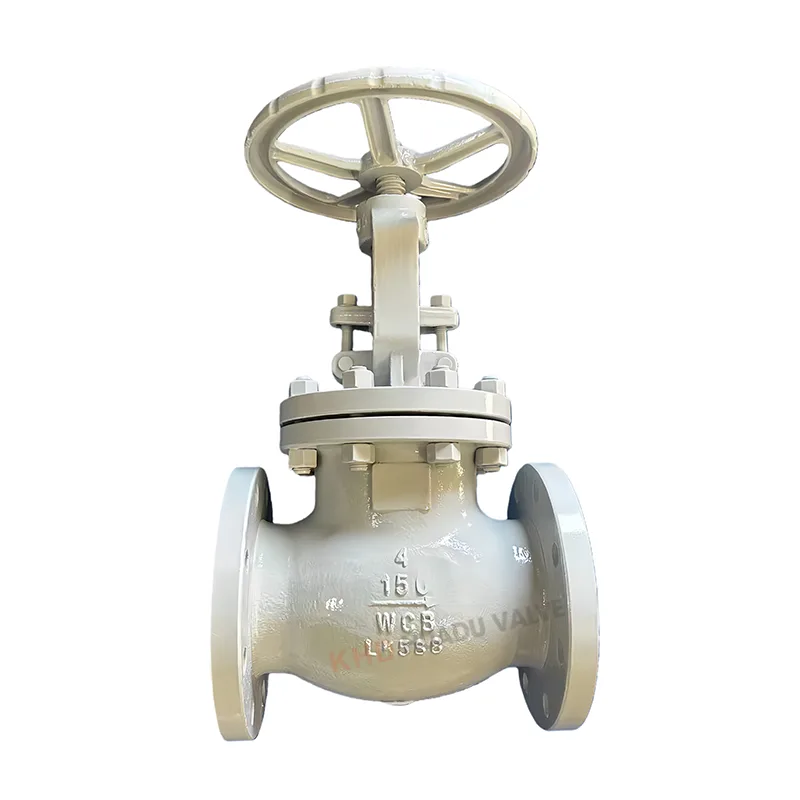
For starters, their full bore design creates barely any flow resistance and pressure drop when wide open. They let fluid pass forward or backward, so you don’t have to worry about installation direction. Their simple inner structure keeps upkeep cheap and lets them last a long time with proper use. Flanged gate valves also work great for large-diameter, high-pressure industrial pipe networks.

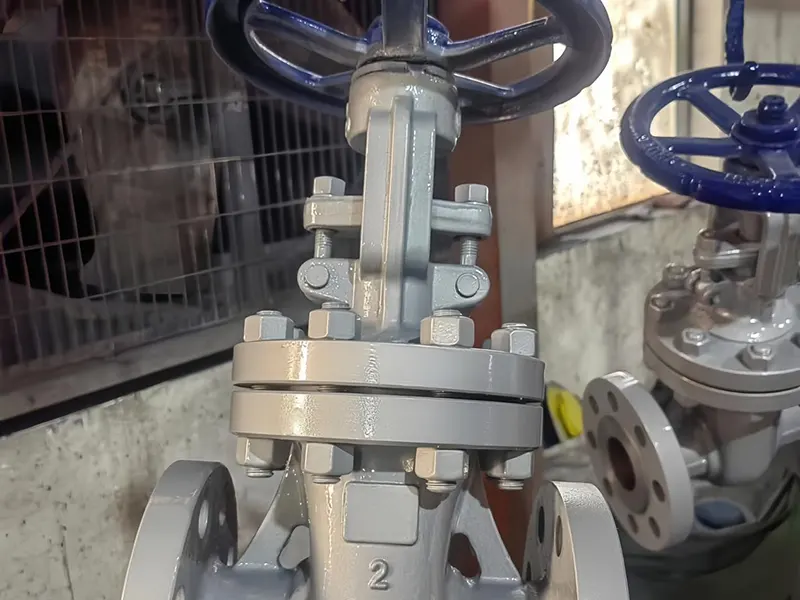
What are the two most common styles of gate valves we supply?
We mainly offer wedge gate valves and parallel slide gate valves. The solid wedge type is our best seller, it seals well for most general industrial pipelines. Parallel slide gate valves use a pair of flat sealing plates, they’re ideal for high heat steam and oil lines that demand strict leak protection.
When would you choose a gate valve instead of a ball valve?
Gate valves work best for large main pipes that stay fully open most of the time, as they create much less flow resistance. They also perform more steadily on high temperature steam systems. If your pipe size hits DN200 or above, gate valves are also more budget-friendly. Ball valves fit projects that need frequent opening and closing or flow adjustment.
What can you do to find leak causes and repair them?
Flange leaking: Bolts may loosen or gaskets wear out. Tighten bolts evenly; swap old, damaged gaskets if seepage remains.
Stem leakage: Refill graphite packing and slightly tighten the gland nut to block gaps around the stem.
Internal leakage when fully closed: Dust or scratches on wedge and seat break the seal. Take the valve apart, clear dirt, polish scratches or replace worn sealing components.
Tiny seepage on valve body: Small casting holes can be welded up; swap the whole valve body if cracks are serious.
Related Category
Send Inquiry
Contact Info
-
Address
No. 1015, Jinhai Avenue, Longwan District, Wenzhou City, Zhejiang Province, P.R.China
-
Tel
-
Email
For inquiries about ball valve, gate valve, globe valve or price list, please leave your email to us and we will be in touch within 24 hours.
News Recommendations