English
- English
- Esperanto
- Afrikaans
- Català
- שפה עברית
- Cymraeg
- Galego
- Latviešu
- icelandic
- ייִדיש
- беларускі
- Hrvatski
- Kreyòl ayisyen
- Shqiptar
- Malti
- lugha ya Kiswahili
- አማርኛ
- Bosanski
- Frysk
- ភាសាខ្មែរ
- ქართული
- ગુજરાતી
- Hausa
- Кыргыз тили
- ಕನ್ನಡ
- Corsa
- Kurdî
- മലയാളം
- Maori
- Монгол хэл
- Hmong
- IsiXhosa
- Zulu
- Yoruba
- অসমীয়া
- ଓଡିଆ
- Punjabi
- پښتو
- Chichewa
- Samoa
- Sesotho
- සිංහල
- Gàidhlig
- Cebuano
- Somali
- Тоҷикӣ
- O'zbek
- Hawaiian
- سنڌي
- Shinra
- Հայերեն
- Igbo
- Sundanese
- Lëtzebuergesch
- Malagasy
- Español
- Português
- русский
- Français
- 日本語
- Deutsch
- tiếng Việt
- Italiano
- Nederlands
- ภาษาไทย
- Polski
- 한국어
- Svenska
- magyar
- Malay
- বাংলা ভাষার
- Dansk
- Suomi
- हिन्दी
- Pilipino
- Türkçe
- Gaeilge
- العربية
- Indonesia
- Norsk
- تمل
- český
- ελληνικά
- український
- Javanese
- فارسی
- தமிழ்
- తెలుగు
- नेपाली
- Burmese
- български
- ລາວ
- Latine
- Қазақша
- Euskal
- Azərbaycan
- Slovenský jazyk
- Македонски
- Lietuvos
- Eesti Keel
- Română
- Slovenski
- मराठी
- Srpski језик

Why Is a Carbon Steel ASTM Basket Strainer Essential for Reliable Industrial Pipeline Protection
In industrial piping systems, maintaining clean and uninterrupted fluid flow is critical for protecting pumps, valves, meters, and other expensive equipment. A Carbon Steel ASTM Basket Strainer is one of the most effective filtration solutions for removing debris, rust particles, scale, and contaminants from process media. As a trusted manufacturer, Huadu provides high-quality Carbon Steel ASTM Basket Strainers designed to meet ASTM standards, ensuring durability, efficiency, and long service life across demanding industrial applications.
This guide explores the working principle, construction materials, advantages, applications, installation considerations, maintenance practices, and selection criteria of Carbon Steel ASTM Basket Strainers while helping engineers and buyers make informed purchasing decisions.
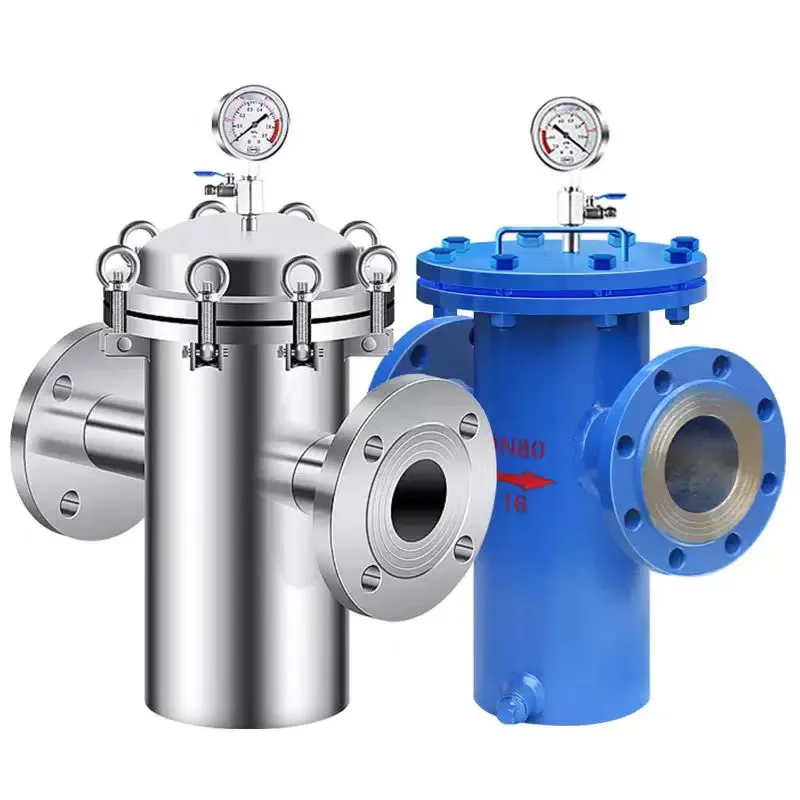
Table of Contents
What Is a Carbon Steel ASTM Basket Strainer?
How Does a Carbon Steel ASTM Basket Strainer Work?
Material Specifications and ASTM Standards
Basket Strainer vs Other Strainer Types
How to Select the Right Basket Strainer
What Is a Carbon Steel ASTM Basket Strainer?
A Carbon Steel ASTM Basket Strainer is a mechanical filtration device installed in a pipeline to capture solid particles and debris before they reach downstream equipment. The strainer utilizes a perforated or mesh basket housed within a robust carbon steel body manufactured according to ASTM material standards.
Unlike temporary filtration solutions, basket strainers are designed for continuous industrial operation and can be cleaned and reused repeatedly, making them a cost-effective choice for long-term process protection.
Common contaminants removed include:
- Pipe scale
- Rust particles
- Welding slag
- Sand and sediment
- Metal fragments
- Process debris
- Foreign materials
How Does a Carbon Steel ASTM Basket Strainer Work?
The operating principle is straightforward yet highly effective. Process fluid enters the strainer body and passes through the basket element. Solid contaminants larger than the basket openings are trapped inside, while clean fluid continues downstream.
The filtration process follows these steps:
- Fluid enters through the inlet connection.
- Flow passes through the perforated basket.
- Debris accumulates inside the basket.
- Clean media exits through the outlet.
- Periodic cleaning restores filtration efficiency.
This simple design minimizes pressure loss while maximizing equipment protection.
Key Features and Benefits
Carbon Steel ASTM Basket Strainers offer numerous advantages in industrial environments.
Excellent Mechanical Strength
Carbon steel construction provides exceptional structural integrity under high-pressure and high-temperature operating conditions.
Large Dirt-Holding Capacity
The basket design offers significantly greater debris retention than many alternative filtration devices, reducing maintenance frequency.
Low Pressure Drop
A larger filtration area enables efficient flow while minimizing pressure losses throughout the system.
Cost-Effective Operation
Reusable baskets lower operational costs compared with disposable filtration elements.
Extended Equipment Life
By preventing contaminants from reaching critical equipment, basket strainers help reduce maintenance expenses and unplanned downtime.
Material Specifications and ASTM Standards
ASTM standards ensure consistent material quality, mechanical properties, and manufacturing reliability.
| Component | Common Material | Relevant ASTM Standard | Function |
|---|---|---|---|
| Body | Carbon Steel | ASTM A216 WCB | Pressure-containing structure |
| Cover | Carbon Steel | ASTM A216 WCB | Basket access and maintenance |
| Basket | Stainless Steel | ASTM A240 | Filtration element |
| Bolts | Alloy Steel | ASTM A193 | Cover fastening |
| Gasket | Graphite/PTFE | Industrial Standard | Leak prevention |
These materials provide a balance of durability, corrosion resistance, and economic value for industrial service.
Basket Strainer vs Other Strainer Types
| Feature | Basket Strainer | Y-Strainer | Temporary Strainer |
|---|---|---|---|
| Dirt Capacity | High | Moderate | Low |
| Maintenance Interval | Long | Medium | Short |
| Pressure Loss | Low | Medium | Variable |
| Suitable for Large Pipelines | Excellent | Good | Limited |
| Reusable | Yes | Yes | Usually No |
| Industrial Service Life | Long | Long | Temporary |
For systems requiring high flow rates and large contaminant retention capacity, basket strainers are often the preferred solution.
Industrial Applications
Carbon Steel ASTM Basket Strainers are widely used across various industries due to their versatility and reliability.
Oil and Gas Industry
- Pipeline transportation systems
- Refining facilities
- Storage terminals
- Pump protection applications
Power Generation
- Cooling water systems
- Boiler feedwater lines
- Turbine auxiliary systems
Chemical Processing
- Process fluid filtration
- Reaction system protection
- Chemical transfer pipelines
Water Treatment
- Raw water filtration
- Municipal water systems
- Industrial wastewater facilities
Petrochemical Plants
- Hydrocarbon processing
- Utility systems
- Equipment protection networks
How to Select the Right Basket Strainer
Choosing the correct Carbon Steel ASTM Basket Strainer requires evaluating several engineering parameters.
Flow Rate Requirements
The strainer should accommodate maximum system flow without causing excessive pressure drop.
Operating Pressure
Pressure class ratings must match or exceed system operating conditions.
Temperature Range
Material selection should account for process temperature variations.
Filtration Degree
Mesh size and perforation dimensions should correspond to the contamination level and equipment protection requirements.
Connection Type
- Flanged
- Threaded
- Socket weld
- Butt weld
Maintenance Accessibility
Consider installation locations where routine basket cleaning can be performed efficiently.
Installation Best Practices
Proper installation significantly improves performance and service life.
- Install according to flow direction markings.
- Provide sufficient clearance for basket removal.
- Use proper gasket materials.
- Inspect sealing surfaces before assembly.
- Verify bolt tightening sequences.
- Conduct pressure testing after installation.
- Monitor initial pressure drop during startup.
Following these practices helps maximize operational reliability and safety.
Maintenance and Inspection Guide
Routine maintenance ensures long-term filtration efficiency and equipment protection.
| Maintenance Activity | Recommended Frequency |
|---|---|
| Pressure Drop Monitoring | Weekly |
| Basket Cleaning | As Required |
| Gasket Inspection | Monthly |
| Body Inspection | Quarterly |
| Comprehensive Maintenance | Annually |
Signs that maintenance may be required include:
- Increasing pressure differential
- Reduced flow rate
- Unexpected equipment wear
- Visible basket blockage
- Leakage around cover seals
Frequently Asked Questions
1. What is the primary purpose of a Carbon Steel ASTM Basket Strainer?
Its primary purpose is to remove debris and solid contaminants from fluid systems to protect downstream equipment and maintain operational efficiency.
2. Why is ASTM compliance important?
ASTM compliance ensures material quality, strength, consistency, and reliability under industrial operating conditions.
3. What industries commonly use basket strainers?
Oil and gas, chemical processing, petrochemical, power generation, water treatment, and manufacturing industries commonly use basket strainers.
4. How often should the basket be cleaned?
Cleaning frequency depends on contamination levels and operating conditions. Monitoring pressure differential provides the best indication of cleaning requirements.
5. Can the basket be reused?
Yes. Most industrial basket strainers feature removable and reusable stainless-steel baskets designed for repeated cleaning cycles.
6. What filtration sizes are available?
Various perforation and mesh sizes are available to meet different process filtration requirements.
7. Is carbon steel suitable for high-pressure systems?
Yes. ASTM carbon steel materials provide excellent strength and are widely used in medium- and high-pressure industrial applications.
Conclusion
A Carbon Steel ASTM Basket Strainer is a critical component for maintaining clean process flow and protecting valuable industrial equipment. Its robust ASTM-compliant construction, large dirt-holding capacity, low pressure loss, and long service life make it an ideal choice for demanding industries including oil and gas, petrochemical processing, power generation, and water treatment.
To achieve optimal performance, selecting the appropriate strainer size, filtration rating, pressure class, and connection type is essential. Investing in a high-quality solution can significantly reduce maintenance costs, improve equipment reliability, and enhance overall system efficiency.
For professional assistance in selecting the right basket strainer for your project, explore the Carbon Steel ASTM Basket Strainer solutions offered by Huadu. Whether you need standard specifications or customized industrial filtration solutions, contact us today to discuss your requirements, receive expert technical support, and obtain a competitive quotation tailored to your application.
Related News
- The characteristics of ball valves.
- The working principle of the check valve.
- The working principle and features of Globe Valve.
- Types of gate valves.
- Why Do Global Industrial Buyers Trust Huadu for High-Quality Globe Valve Solutions?
- How to Choose A Reliable Sealing Valve for Long-Term Industrial Pipeline Operation?
Leave me a message